The Cinematic Turning Point: A Glimpse from the 2026 Box Office
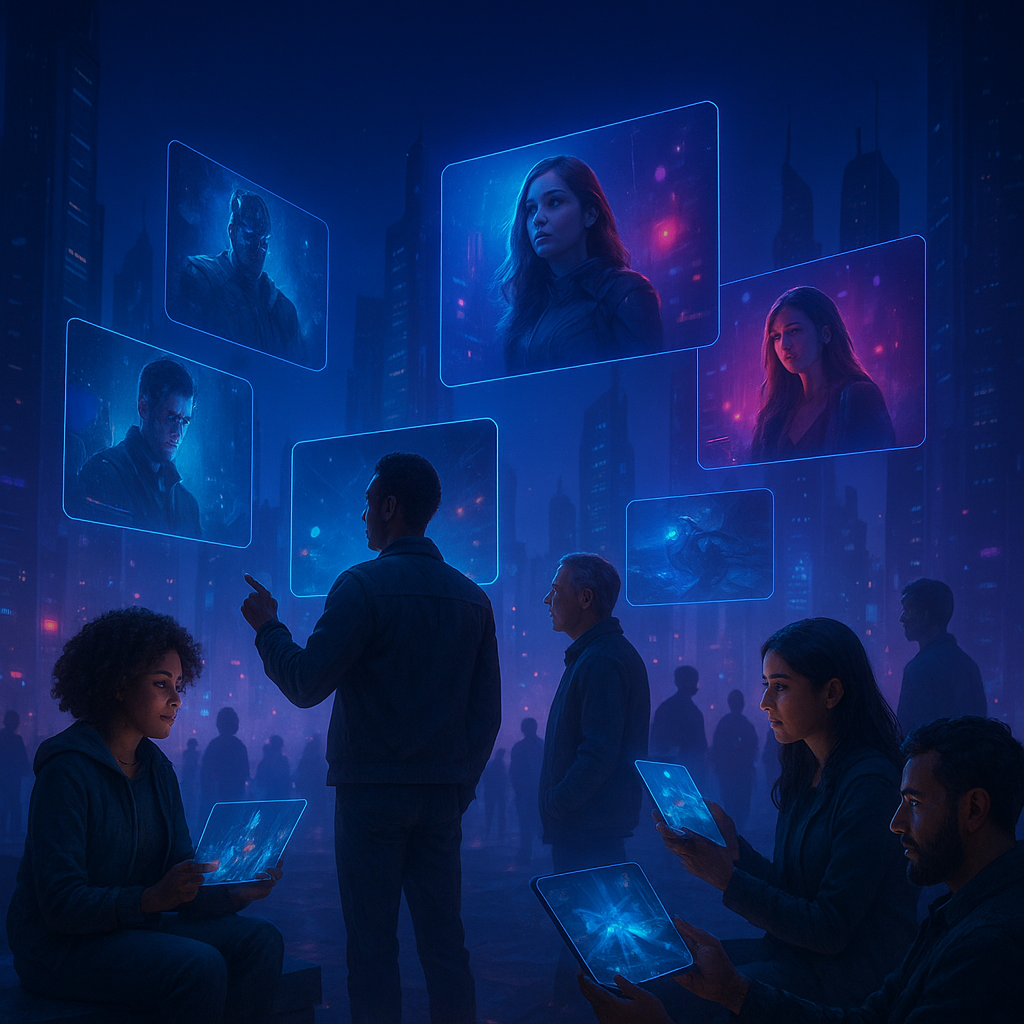
In early 2026, the global box office witnessed an unprecedented phenomenon: films leveraging advanced AI-driven storytelling and immersive technologies commanded more than 60% of total ticket sales worldwide. This seismic shift was underscored by the success of several titles that integrated generative AI tools in the creative process, resulting in narratives that dynamically adapted to audience preferences and cultural trends. One standout was the international hit "Echoes of Tomorrow," praised for its near-perfect blend of human emotion and AI-enhanced plot weaving. These developments mark a tipping point for cinema, where technology no longer merely supplements creativity but actively reshapes the storytelling fabric.
As theatres evolve alongside streaming platforms, the movie industry in 2026 is navigating a complex landscape of innovation, global audience diversification, and shifting consumption habits. This article explores the multiple dimensions driving this transformation—from technological breakthroughs to socio-economic changes—offering a comprehensive understanding of contemporary cinema’s trajectory.
From Celluloid to AI: Tracing the Evolution of Movies
The history of movies is a chronicle of constant reinvention. From the silent era’s expressive pantomimes to the golden age of Hollywood’s studio system, film has continually adapted to technological and cultural tides. The late 20th century saw digital effects and CGI revolutionize visual storytelling, while the 2010s and early 2020s introduced streaming as a dominant distribution method, challenging traditional theatrical releases. However, the last five years have accelerated changes at an unprecedented scale.
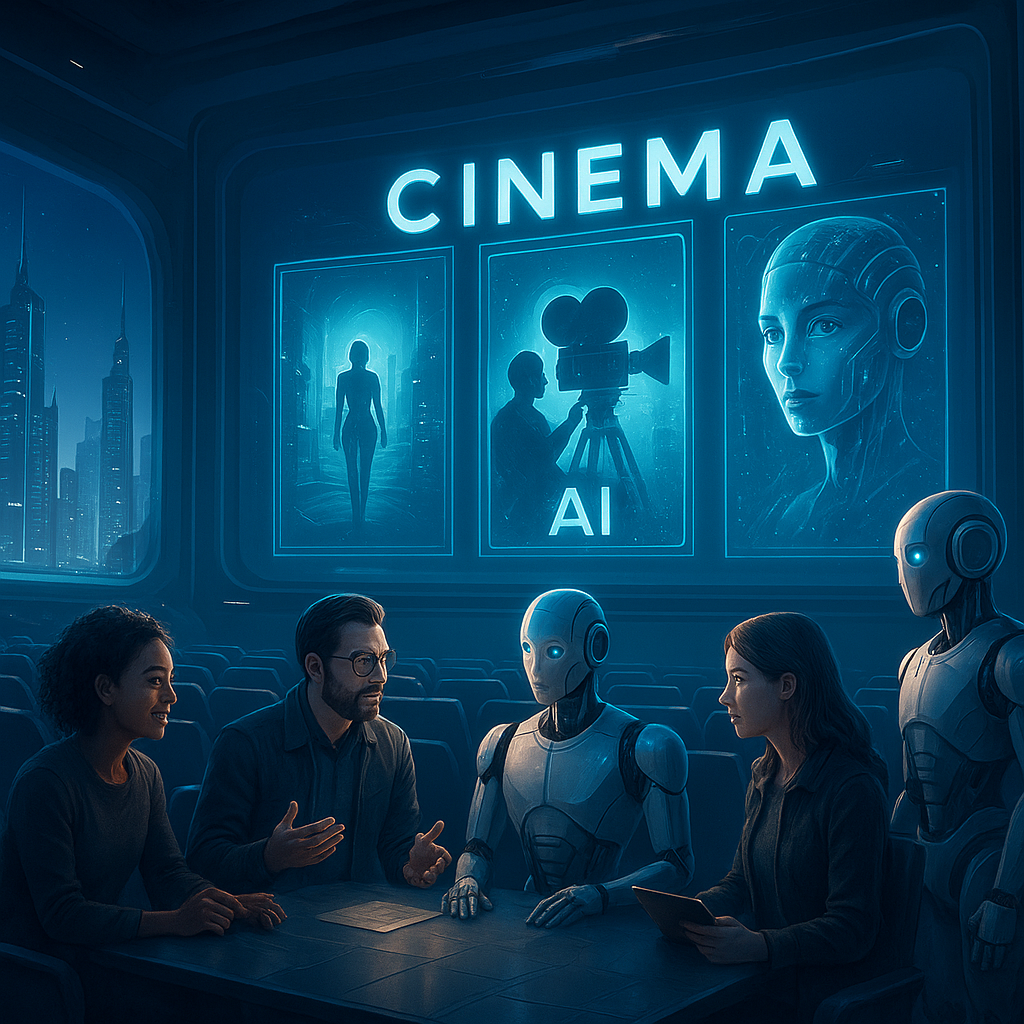
The integration of artificial intelligence in pre-production, production, and post-production stages has profoundly altered how films are conceptualized and created. Tasks once considered the exclusive domain of human writers, editors, and directors now increasingly rely on AI to optimize scripts, predict audience reception, and even generate visual effects. This technological leap is not merely incremental but transformative, akin to the transition from black-and-white to color film or from analog to digital cinematography.
Moreover, globalization of content consumption has diversified storytelling, demanding inclusivity and cultural authenticity. Streaming giants and emerging studios invest heavily in regional productions and cross-cultural collaborations, reflecting a more interconnected global audience. This dynamic is analyzed in detail in our related piece Movies in 2026: Evolution, Trends, and the Future of Cinema, which contextualizes current trends within the century-long evolution of the medium.
Data-Driven Creativity: The Core Analysis of 2026’s Movie Landscape
By mid-2026, data analytics and AI have become indispensable tools in film production and marketing. Industry reports indicate that approximately 72% of major studio projects now use AI-driven predictive models to forecast box office performance and optimize marketing strategies. This data-centric approach enables studios to tailor content and campaigns to segmented demographics with surgical precision.
Key quantitative trends include:
- AI-assisted scriptwriting: Over 40% of top-grossing films incorporated AI tools for screenplay development, enhancing narrative complexity and pacing based on real-time audience feedback from test screenings.
- Interactive and adaptive storytelling: Films employing branching narratives or augmented reality (AR) elements increased by 35%, engaging viewers in personalized experiences.
- Global market shifts: Asia-Pacific, Latin America, and Africa collectively contributed to 58% of box office growth, driven by local-language productions and culturally resonant themes.
- Subscription and hybrid releases: Nearly 65% of new releases followed hybrid distribution models, combining theatrical windows with simultaneous streaming premieres, balancing accessibility with revenue maximization.
These figures reflect a movie industry that is simultaneously more scientific and more responsive to diverse audiences than ever before. However, this data-driven approach also raises questions about creativity and artistic autonomy, a tension explored in the expert perspectives section.
2026 Developments: The Convergence of Technology and Culture
The past year has brought several pivotal developments that crystallize the ongoing transformation. Firstly, generative AI's role expanded beyond script assistance to include digital actors and virtual production environments. Studios like Infinite Frame Studios and Lumina Pictures pioneered films with fully AI-generated background characters and dynamic scene compositions, reducing production costs by up to 30%, according to industry estimates.
Secondly, immersive formats have gained mainstream traction. Volumetric cinema—3D capture of actors and settings for VR and AR experiences—has transitioned from niche art installations to commercial releases accessible via consumer-grade devices. This has created new storytelling avenues blending traditional narrative cinema with interactive elements, attracting younger, tech-savvy demographics.
Thirdly, the geopolitical climate and economic shifts continue influencing film content and production logistics. The rise of new film hubs in Southeast Asia and Eastern Europe reflects both cost advantages and rich cultural narratives. Meanwhile, Hollywood studios are increasingly focusing on sustainability, adopting eco-friendly set designs and carbon-neutral production methods in response to global climate concerns.
Such transformations are mirrored in the April movie releases of 2026, where unexpected box office successes defied predictions. Our coverage of April Movies 2026: Emerging Trends and Box Office Surprises Unveiled reveals the nuanced factors behind these outcomes, from innovative marketing to cultural resonance.
Industry Voices: Expert Insights and Their Implications
Leading industry figures and analysts emphasize both opportunity and caution. Renowned director Maya Chen notes,
“AI can be an incredible collaborator, but it should never replace the human heart in storytelling. The challenge is balancing algorithmic efficiency with authentic emotional connection.”
Similarly, media analyst Dr. Raj Patel highlights the economic ramifications, stating,
“The democratization of filmmaking tools levels the playing field but also intensifies competition. Studios must innovate not just technologically but also culturally to capture fragmented audiences.”
These perspectives underscore a broader debate: while AI and technology unlock new creative possibilities, they also demand ethical frameworks and guardrails to preserve the diversity and depth of cinematic art.
Industry impact can be summarized in two main dimensions:
- Creative enhancement: Tools augment human creativity, enabling complex visualizations, faster editing cycles, and customized viewer engagement.
- Market disruption: Traditional power structures face challenges from agile independent creators empowered by accessible technology, reshaping the competitive landscape.
Future Outlook: What the Next Decade Holds for Movies
Looking ahead, several trends are likely to define cinema’s trajectory. Firstly, AI’s role will deepen, with predictive storytelling and live audience interaction becoming standard features in many films. Real-time adaptation of movie plots to viewer responses could transform passive watching into interactive experiences.
Secondly, sustainability will become integral to production. Studios investing in green filming techniques will gain favor with eco-conscious audiences and regulatory bodies, potentially influencing financing and distribution deals.
Thirdly, the globalization of content will accelerate, with more stories emerging from underrepresented regions, facilitated by advances in translation, dubbing, and cultural consultancy powered by AI. This promises a richer, more diverse cinematic ecosystem.
Finally, the economic models underpinning movies will evolve. Subscription services, hybrid releases, and decentralized financing through blockchain-powered platforms may redefine revenue streams and rights management, enabling creators to retain more control and profit.
For viewers and industry professionals alike, staying informed and adaptable will be crucial. As detailed in How Movies Shape Culture and Commerce: What You Need to Know, understanding these shifts is vital to grasping the future cultural and commercial power of cinema.
Case Studies: AI-Driven Films and Global Collaborations
Two recent examples illustrate the emerging movie paradigm. "Neural Reverie," a 2025 release by Lumina Pictures, used AI to co-write the script and generate realistic digital actors. The film earned $350 million globally, with special acclaim for its seamless blend of human and AI creativity. Post-release analytics showed audiences engaged more deeply with the film’s adaptive plot branches, validating the AI-assisted approach.
Another case is the transcontinental project "Bridges Unseen," a cultural anthology co-produced by studios in Nigeria, South Korea, and Brazil. Leveraging AI translation and collaboration platforms, the film overcame language and logistical barriers, delivering a mosaic narrative that resonated across continents. It grossed $120 million and sparked discussions on the potential of technology to foster authentic cross-cultural storytelling.
These cases highlight key success factors:
- Effective integration of AI without compromising artistic vision
- Strategic use of technology to enhance global accessibility and inclusivity
- Flexibility in adapting traditional production models to new tools and markets
The convergence of these elements defines the cutting edge of movie-making in 2026 and beyond.
In sum, the movie industry today stands at a crossroads shaped by AI innovation, changing audience dynamics, and a complex global environment. Its future will be forged through the delicate balance of technology and humanity, creativity and commerce, local stories and global reach.