Aesthetic Connection in the Digital Age
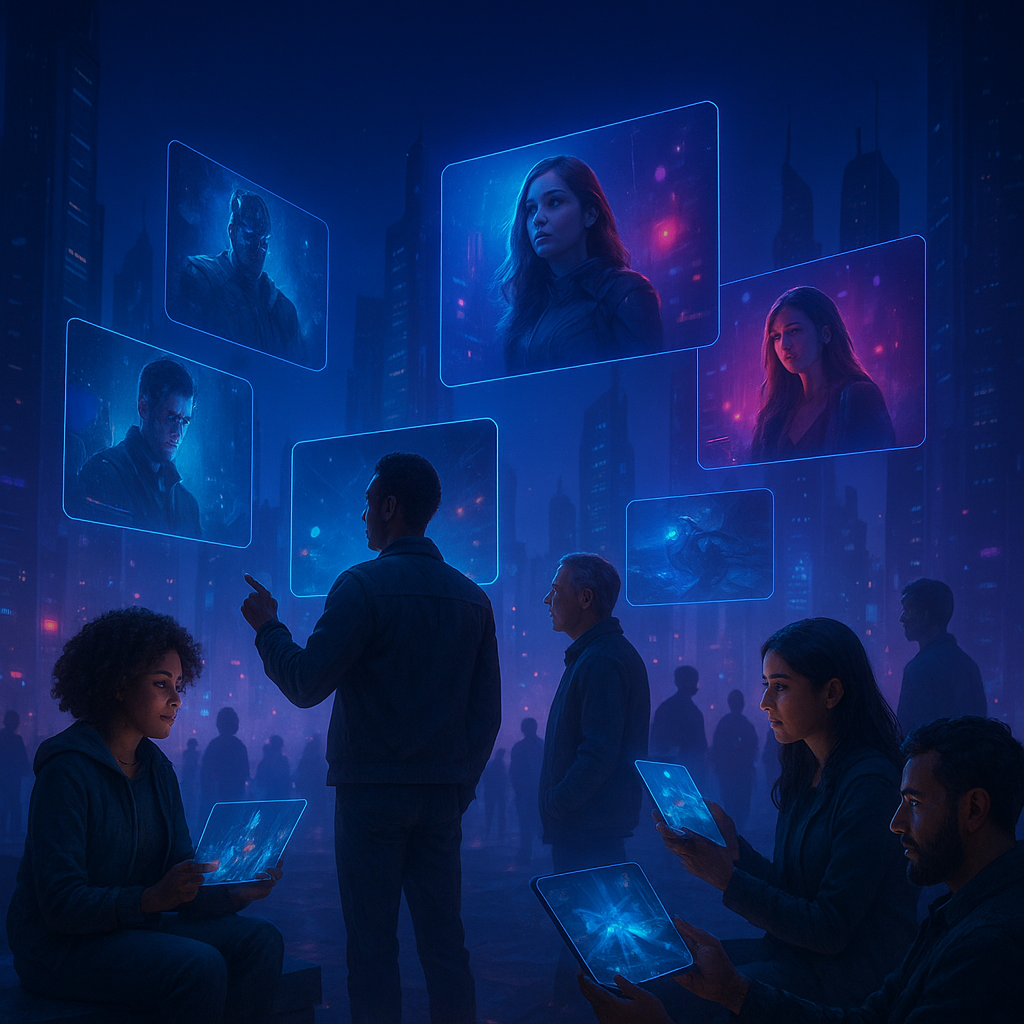
In an era defined by screens, algorithms, and constant digital interaction, the way we form connections has undergone a profound transformation. Beyond practical communication and information exchange, a quieter but powerful force has emerged: aesthetic connection. This refers to the emotional and sensory bonds we develop through visual beauty, design, atmosphere, and shared stylistic languages online. From carefully curated social media feeds to immersive virtual environments, aesthetics now play a central role in how we relate to others, express ourselves, and feel a sense of belonging.
If you are interested in thoughtful explorations of culture, design, and modern life, you can begin by visiting apexraid.com. Understanding the role of aesthetics in digital spaces offers valuable insight into both the opportunities and challenges of our connected world.
Aesthetic connection is not merely about liking pretty images. It is about the way visual and sensory elements create resonance—moments when something on a screen feels meaningful, comforting, inspiring, or familiar. In the digital age, these moments have become a primary way many people experience beauty, community, and even intimacy.
The Rise of Aesthetic Culture Online
The internet has democratized aesthetic expression. Platforms once limited to professionals now allow anyone to share and shape visual worlds. Mood boards, color palettes, interior design accounts, fashion reels, digital art, and carefully composed photographs circulate widely. Entire online communities form around specific aesthetics—minimalist, cottagecore, dark academia, cyberpunk, soft girl, and countless others.
These shared visual languages function as modern social signals. When someone posts or engages with a particular aesthetic, they are often communicating values, moods, aspirations, or identities. A preference for muted tones and natural textures might signal a desire for calm and simplicity. Bold, high-contrast digital art might express intensity or rebellion. In this way, aesthetics become a form of nonverbal communication that transcends language barriers and geographic distance.
The accessibility of tools has accelerated this trend. Filters, editing apps, design software, and generative technologies allow individuals to craft highly intentional visual identities. What once required professional equipment or formal training can now be achieved with a smartphone. As a result, aesthetic expression has become both more widespread and more sophisticated.
How Aesthetic Connection Shapes Belonging
One of the most significant effects of digital aesthetics is the creation of belonging. People who feel isolated in their physical environments often find communities online that share their visual and emotional sensibilities. A teenager in a conservative town may discover a supportive network through soft, pastel-filled online spaces. An adult seeking calm amid a chaotic career might feel understood by accounts that celebrate slow living and natural light.
These connections can be deeply validating. Seeing one’s internal world reflected in external images creates a sense of recognition. “I am not the only one who feels this way” becomes a powerful message delivered through color, composition, and style rather than words alone.
Aesthetic connection also influences how we present ourselves. Digital profiles, story highlights, and personal websites function as curated extensions of identity. The choices we make about lighting, typography, imagery, and layout communicate who we are—or who we wish to become. In many cases, these aesthetic decisions feel more authentic than verbal self-descriptions because they operate on an emotional and sensory level.
The Double-Edged Nature of Digital Aesthetics
While aesthetic connection offers genuine benefits, it also carries complexities. The same platforms that enable beautiful expression can encourage comparison, perfectionism, and emotional distance.
Constant exposure to idealized images can distort expectations of real life. Homes appear permanently tidy, faces eternally flawless, and lifestyles effortlessly curated. Over time, this can create a subtle pressure to perform beauty rather than simply experience it. The pursuit of aesthetic perfection may begin as self-expression and gradually shift into self-surveillance.
There is also the risk of superficiality. Aesthetic alignment can sometimes substitute for deeper relational substance. Two people may bond over shared visual preferences without developing meaningful understanding or care. In some cases, the digital aesthetic becomes a polished surface that conceals loneliness or unresolved struggles.
Algorithms further complicate the picture. They tend to amplify content that generates engagement, often favoring high-contrast, emotionally charged, or highly polished visuals. This can narrow the range of aesthetics people encounter and reinforce existing preferences rather than expanding them. The result is sometimes aesthetic echo chambers that feel comforting but limit growth.
Cultivating Meaningful Aesthetic Connection
Despite these challenges, it is possible to engage with digital aesthetics in ways that enrich rather than diminish connection. Intentionality is key.
One helpful approach is to treat aesthetics as a starting point rather than an endpoint. Use visual resonance as an invitation to deeper curiosity. When an image or design style moves you, ask what it stirs—calm, nostalgia, ambition, tenderness? Following that emotional thread can lead to richer self-understanding and more authentic relationships.
Another practice is to balance consumption with creation. Passively scrolling through beautiful content can be soothing, but actively making something—whether a simple photograph, a digital collage, or a personal design—deepens the experience. Creation restores agency and turns aesthetics from something observed into something lived.
It also helps to diversify sources of beauty. While online platforms are powerful, they are not the only places aesthetic connection occurs. Physical environments, natural landscapes, handmade objects, and face-to-face encounters offer sensory richness that screens cannot fully replicate. Integrating offline aesthetic experiences prevents digital spaces from becoming the sole source of visual and emotional nourishment.
Finally, practicing gentle awareness around comparison can protect emotional well-being. Noticing when aesthetic content shifts from inspiration to self-criticism allows for healthier boundaries. Curating feeds intentionally—following accounts that feel nourishing rather than depleting—supports a more sustainable relationship with digital beauty.
The Future of Aesthetic Connection
As technology continues to evolve, aesthetic connection will likely become even more immersive. Virtual and augmented environments, personalized design tools, and increasingly sophisticated visual media will expand the ways people can share and inhabit aesthetic worlds. The fundamental human desire for beauty, resonance, and belonging will remain constant, even as the tools change.
The challenge—and opportunity—lies in using these tools with awareness. When approached thoughtfully, digital aesthetics can foster genuine connection, creative expression, and emotional support. When approached unconsciously, they risk becoming another layer of performance and isolation.
Closing Reflection
Aesthetic connection in the digital age is neither purely beneficial nor purely harmful. It is a powerful cultural force that reflects our longing for meaning, beauty, and recognition in a fast-moving world. By engaging with it consciously—valuing both the visual and the relational, the online and the offline—we can shape digital spaces that support rather than fragment our sense of self and community.
For a deeper look at this evolving phenomenon and its impact on modern relationships and identity, explore Aesthetic Connection in the Digital Age.
In the end, the most meaningful aesthetic connections are those that leave us feeling more present, more seen, and more alive—whether they begin on a screen or extend far beyond it.