India is one of the world’s largest agricultural economies, and agriculture plays a vital role in the country’s growth, employment, and food security. Agricultural products in India form the backbone of rural livelihoods and contribute significantly to both domestic consumption and global exports. With diverse climatic zones, fertile soil, and centuries-old farming traditions, India produces a wide range of agricultural products throughout the year.
Importance of Agricultural Products in India
Agricultural products in India are essential not only for feeding the nation but also for supporting industries such as food processing, textiles, sugar, and biofuels. A large portion of India’s population depends directly or indirectly on agriculture for income and employment. From small marginal farmers to large agribusinesses, agricultural production sustains millions of lives across the country.
India’s agricultural sector also plays a key role in stabilizing the economy during uncertain times. Even when other industries face slowdowns, agriculture continues to provide stability and resilience.
Major Categories of Agricultural Products in India
Agricultural products in India can broadly be classified into different categories based on their use and cultivation patterns:
Food Crops:
These include rice, wheat, maize, millets, and pulses. Rice and wheat are staple foods for most Indian households and are grown extensively across different states.
Cash Crops:
Crops such as cotton, sugarcane, tea, coffee, and jute are grown mainly for commercial purposes. These agricultural products in India generate income for farmers and contribute to exports.
Horticultural Products:
India is one of the largest producers of fruits and vegetables. Mangoes, bananas, apples, onions, potatoes, and tomatoes are widely cultivated and consumed.
Oilseeds and Spices:
Mustard, groundnut, soybean, and sunflower are important oilseeds, while spices like turmeric, cumin, coriander, and chili make India a global leader in spice production.
Role of Modern Equipment in Agricultural Growth
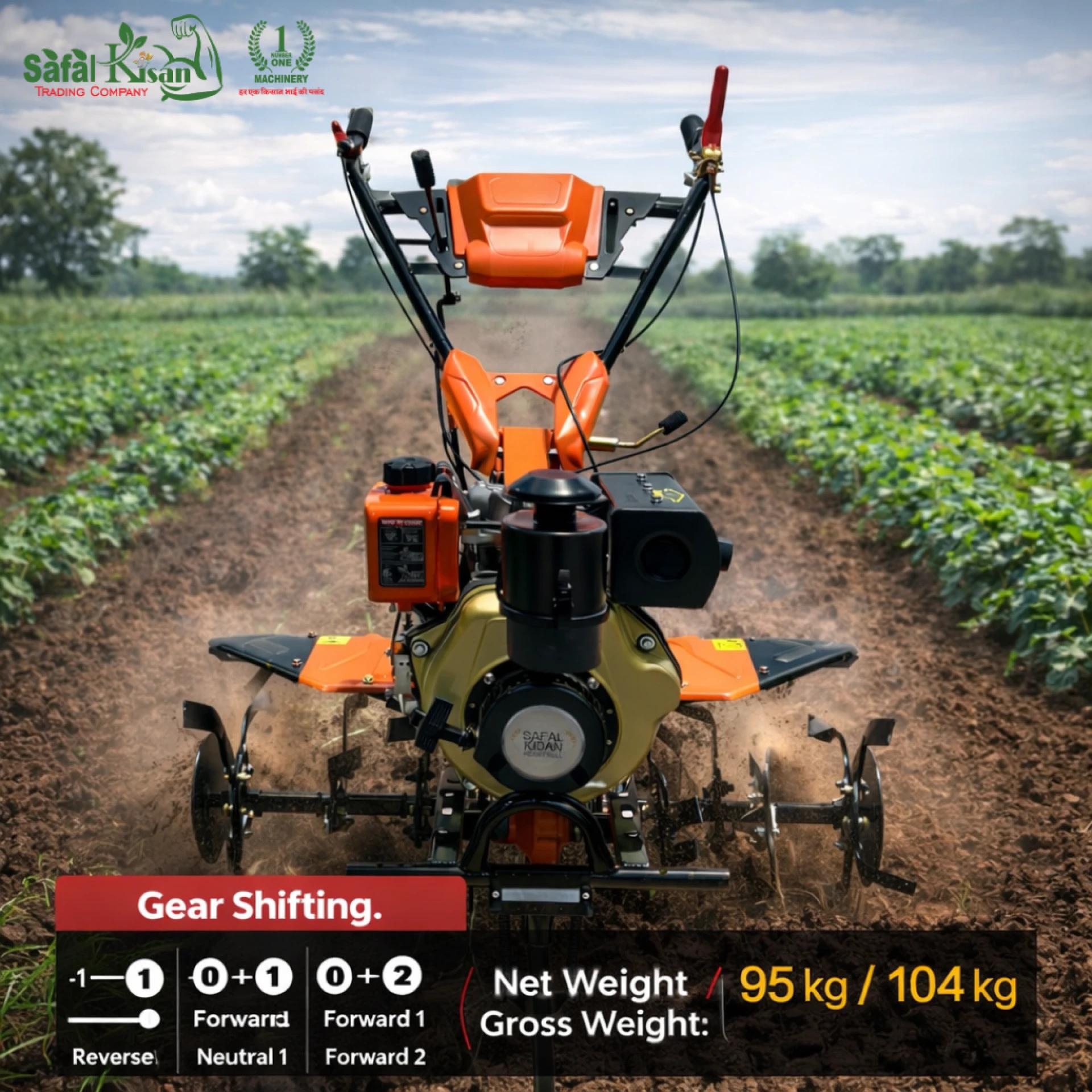
To improve the quality and quantity of agricultural products in India, modern farming equipment has become essential. Traditional methods alone are no longer sufficient to meet rising food demand. Mechanization helps reduce labor dependency, improve efficiency, and increase productivity.
Safal Kisan Trading Company – Supporting Indian Agriculture
Based in Jaipur, Rajasthan, Safal Kisan Trading Company is one of India’s reliable agricultural equipment suppliers. With over 9 years of industry experience, the company provides high-quality machines that help farmers improve farm operations and crop output. Safal Kisan focuses on durability, performance, and farmer-friendly service, making it a trusted name among Indian farmers.
Challenges and Opportunities
While Agricultural products in India have strong potential, farmers still face challenges such as climate change, water scarcity, and rising input costs. However, with the right equipment, technical guidance, and reliable suppliers, these challenges can be addressed effectively.
Future of Agricultural Products in India
The future of agricultural products in India looks promising due to technological advancement, government support, and growing awareness among farmers. Sustainable farming practices and mechanization are expected to further strengthen India’s position in global agriculture.
Conclusion
Agricultural products in India are the foundation of the country’s economy and food system. With the support of reliable equipment suppliers like Safal Kisan Trading Company, Indian farmers can enhance productivity, improve income, and ensure long-term agricultural sustainability.