What Drives Activated Alumina Pricing
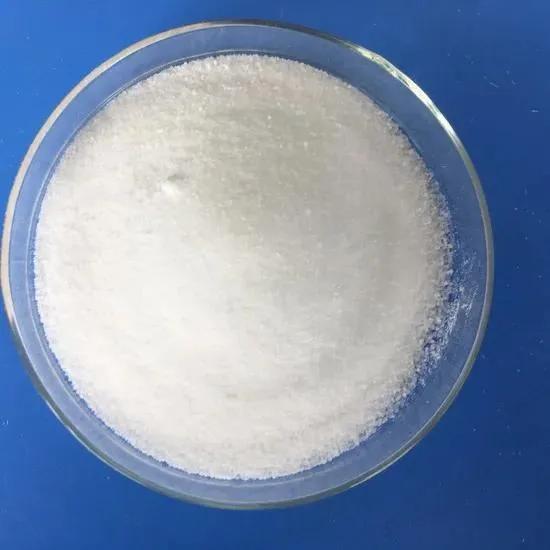
قیمت آلومینا فعال — activated alumina price — is determined by a combination of raw material costs, energy costs in production, the competitive landscape of the global activated alumina market, and the value that the product delivers in its primary applications. Unlike some industrial chemicals where a single commodity price prevails, activated alumina pricing varies significantly by grade, specification, and the application market being served, creating a pricing landscape that informed buyers must understand to make effective procurement decisions.
Aluminum Hydroxide as the Key Raw Material
Activated alumina is produced from aluminum hydroxide (Al(OH)3, or gibbsite), which is the intermediate product of the Bayer process for aluminum oxide production from bauxite ore. The price of aluminum hydroxide — and ultimately the price of the bauxite ore from which it derives — is therefore an important component of activated alumina production cost. The global aluminum industry's production economics affect aluminum hydroxide pricing, and significant changes in bauxite mining costs, refining energy costs, or aluminum market dynamics flow through to activated alumina production costs over time.
Energy Cost in Activation
The activation step — the controlled dehydration of aluminum hydroxide at temperatures of 350 to 600 degrees Celsius to produce the porous, high-surface-area alumina structure — is energy-intensive, and energy cost represents a meaningful component of total production cost. Rotary kilns or fluidized bed reactors used for activation consume significant natural gas or electricity, and energy price movements in producing regions affect production cost competitiveness. Producers with access to low-cost energy maintain cost advantages that allow more competitive pricing in global markets.
Global Supply Landscape
The global activated alumina market is served by producers in China, India, the United States, and Europe. Chinese producers have significantly expanded capacity over the past two decades and are active in global export markets, providing competitive pricing for buyers in many regions. The quality and specifications of Chinese activated alumina have improved substantially as the industry has matured, though buyers should still conduct qualification testing rather than assuming equivalence with established Western product specifications. The competition between Chinese producers and established Western producers has contributed to relatively competitive pricing in many market segments.
Application Value and Price Justification
The price paid for activated alumina in different applications reflects the value it delivers relative to alternatives. In natural gas dehydration, where the adsorbent must achieve very low dew points and withstand numerous regeneration cycles, the premium price of high-quality activated alumina is justified by the operational reliability and the long bed life that quality material provides. In drinking water defluoridation applications in developing markets, where cost is a primary consideration and the economics of water treatment infrastructure are tightly constrained, lower-cost activated alumina grades that meet the technical requirements for fluoride removal at competitive prices are preferred.
Volume and Contract Effects on Pricing
Pricing for activated alumina responds to volume and contract stability in the expected way — larger volume purchases with contractual commitment to supply over a defined period command better pricing than spot purchases of small quantities. Industrial buyers with continuous, significant activated alumina consumption should negotiate supply agreements that provide pricing stability and volume discounts in exchange for the consumption predictability and supply commitment that the seller values. Trial purchases of small quantities before establishing a supply relationship typically carry a price premium over established account pricing.
Total Cost of Ownership Versus Purchase Price
The lowest-purchase-price activated alumina may not deliver the lowest total cost of ownership when all cost factors are considered. A high-quality activated alumina with strong mechanical integrity that lasts through 500 regeneration cycles before replacement provides lower total ownership cost than a less expensive material that requires replacement after 200 cycles, even if the initial purchase price of the higher-quality material is 30 percent higher. Buyers who perform total cost of ownership analysis alongside purchase price comparison make consistently better procurement decisions than those who optimize only on purchase price.