Introduction
B2B marketing becomes more effective when businesses know exactly who they want to reach. Instead of investing resources across a broad audience, companies can identify organizations that closely match their ideal customer profile and build campaigns specifically around those accounts.
This is the idea behind Account Based Marketing Lead Generation. The strategy focuses on selected businesses rather than treating every potential lead as equally valuable. Marketing and sales teams work together to understand target accounts, identify relevant stakeholders, develop useful messaging, and create opportunities for meaningful engagement.
Account-based marketing can be especially relevant for businesses with high-value products or services, longer buying cycles, and multiple people involved in purchasing decisions. Rather than chasing large quantities of unrelated leads, teams can concentrate on organizations where there is a stronger potential business fit.
What Account Based Marketing Lead Generation Means
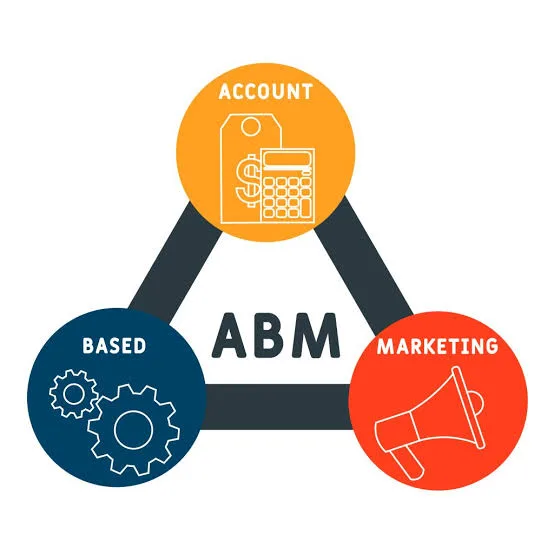
Account Based Marketing Lead Generation is a targeted B2B strategy where companies select specific organizations and create marketing activities designed to engage people within those businesses.
The process begins with the account instead of the individual contact. Once a target company is selected, marketers and sales professionals can identify the departments and decision-makers that may influence the purchasing process.
This approach creates a broader view of lead generation. A company can see how several people from one organization are interacting with its content, website, advertising, and sales outreach.
The overall process may include account research, content marketing, email campaigns, targeted advertising, social engagement, events, webinars, and direct sales communication.
Why Businesses Are Moving Toward Account-Based Strategies
Broad lead generation can produce a significant number of contacts, but quantity alone does not guarantee relevant opportunities.
An account-based strategy allows businesses to concentrate on organizations that meet specific commercial criteria. This can be useful when the company has limited sales resources or when individual customers represent substantial potential value.
Instead of asking only how many leads were created, teams can consider questions such as whether the right companies were reached, how many stakeholders engaged, and whether account activity resulted in sales conversations.
This shift makes marketing more closely connected to the organizations the business actually wants to acquire.
Establish a Clear Ideal Customer Profile
The first practical step is defining what a valuable account looks like.
Businesses can examine existing customers and identify characteristics shared by organizations that have been successful relationships. These characteristics may include industry, company size, annual revenue, location, technology environment, business model, or specific operational requirements.
The ideal customer profile should be specific enough to guide account selection without becoming so restrictive that valuable prospects are excluded.
Sales teams can contribute important information at this stage. Their experience with customers and prospects can reveal which types of organizations have stronger requirements or a better fit for the company's offering.
Choose Accounts Based on Business Relevance
Once the ideal profile has been established, businesses can create their target-account list.
Account selection should be based on more than brand recognition or company size. Organizations should have characteristics that indicate a reasonable fit with the solution being offered.
Accounts can also be divided into groups based on their potential value or strategic importance. A small number of high-priority accounts may receive highly customized campaigns, while broader groups can be approached through segment-based marketing.
This helps businesses allocate resources according to account importance.
Research Before Starting Outreach
Good account-based marketing requires meaningful research.
Teams can study a target organization's business model, markets, products, leadership, technology environment, growth activity, recent announcements, hiring patterns, and other relevant information.
Research helps answer an important question: Why might this particular account care about the solution?
The answer can guide campaign messaging and content selection.
For example, a company undergoing rapid expansion may have different priorities from an organization focused on operational efficiency. Understanding that context can make communication more relevant.
Identify the People Behind the Account
An account is made up of people with different responsibilities and priorities.
Depending on the product or service, a B2B buying group might include executives, department heads, technical teams, finance professionals, procurement, and end users.
Mapping these stakeholders can help marketing and sales teams understand who needs to be engaged and what information each person may require.
A senior executive may want to understand business impact, while a technical stakeholder may want detailed information about integration or implementation.
Recognizing these differences allows the campaign to address the wider buying group.
Develop an Account Based Marketing Approach
A successful Account Based Marketing Approach connects targeting, content, communication, sales activity, and measurement.
Rather than creating isolated campaigns, businesses can build a sequence of interactions around each target account. A prospect might first encounter an industry article, then see a relevant advertisement, download a resource, receive an email, and later interact with a sales representative.
Each interaction can contribute to the broader account journey.
The approach should also remain flexible. If an account shows stronger engagement with a particular topic, marketing and sales teams can adjust their communication accordingly.
Make Personalization Useful
Personalization is valuable when it adds context.
Simply inserting a company name into a standard email does not necessarily make the message relevant. Stronger personalization can reflect an organization's industry, business priorities, challenges, growth stage, or previous interactions.
Companies do not need to create completely unique campaigns for every account. Segmentation can make personalization easier to manage.
Accounts with similar characteristics can be grouped together, allowing marketers to create messaging that addresses shared needs while still being more relevant than broad-market communication.
Use Content to Educate Target Accounts
B2B buyers often conduct extensive research before speaking with a salesperson. Content can help businesses become part of this research process.
Account-based content should answer questions that matter to the target audience. It can explain industry challenges, outline possible solutions, demonstrate business outcomes, or provide practical guidance.
Useful formats include:
- Industry-specific articles
- Research reports
- Customer case studies
- Webinars
- Solution guides
- Comparison content
- Checklists
Different stakeholders can receive different resources based on their role and stage in the decision-making process.
Coordinate Sales and Marketing Activities
Sales and marketing alignment is central to account-based marketing.
Marketing can create awareness and engagement through content, advertising, events, and digital campaigns. Sales teams can use those signals to guide direct conversations with relevant contacts.
For example, if several stakeholders from a target organization begin engaging with content around a particular business problem, sales may use that information to make outreach more contextual.
Sales feedback should also flow back to marketing. Conversations can reveal new objections, questions, priorities, and competitive concerns that can influence future campaigns.
Apply Account Based Marketing Best Practices
Strong execution depends on following practical Account Based Marketing Best Practices throughout the campaign.
Businesses should avoid treating account-based marketing as simply a larger outbound email program. The strategy requires coordination across multiple activities and a clear understanding of account-level objectives.
Some useful practices include:
- Maintain a focused target-account list.
- Keep account and contact information accurate.
- Research important organizations before outreach.
- Map multiple stakeholders within priority accounts.
- Create content around relevant business challenges.
- Coordinate messaging between marketing and sales.
- Monitor account engagement continuously.
- Review results and refine targeting.
These practices can help teams maintain focus and avoid unnecessary marketing activity.
Track Intent and Engagement
Target accounts do not all move at the same pace. Some may show little interest for months, while others can suddenly become more active.
Engagement signals can help teams identify these changes. Examples may include website visits, content downloads, webinar attendance, advertising interactions, or repeated engagement with a particular subject.
A single action should not automatically be treated as a buying signal. Multiple interactions combined with account fit and other business information can provide stronger context.
This information can help sales and marketing decide where additional attention may be appropriate.
Measure Results With Account Based Marketing Analytics
Account Based Marketing Analytics gives businesses a way to understand whether their selected accounts are actually engaging with campaigns.
Individual lead metrics remain useful, but account-based programs require additional measurements that capture activity across the organization.
Businesses can monitor:
- Percentage of target accounts engaged
- Number of stakeholders engaged per account
- Account-level website activity
- Meetings generated
- Opportunities created
- Pipeline associated with target accounts
- Movement through sales stages
- Revenue connected with account activity
These metrics provide a broader picture of campaign performance.
Connect Engagement With Pipeline
Marketing engagement becomes more meaningful when it can be connected with sales outcomes.
A target account may interact with multiple campaigns, but the important question is what happens afterward. Does the account enter a sales conversation? Does an opportunity get created? Does the account move further through the buying process?
Connecting marketing and sales information can help teams identify which activities contribute to pipeline development.
It can also highlight accounts where engagement is strong but progression is limited. Those accounts may require additional research or a different engagement strategy.
Use Technology to Scale the Program
Technology can make account-based marketing easier to manage as the target list grows.
Marketing automation can support campaign execution, segmentation, email workflows, advertising audiences, and reporting. Customer relationship management systems can help teams maintain account information and track sales activity.
Analytics platforms can bring engagement information together so teams can view activity at the account level.
The purpose of technology should be to support the strategy rather than replace it. Automation works best when the target audience, messaging, and account objectives are already clearly defined.
Avoid Common ABM Problems
Account-based marketing can become ineffective when businesses lose sight of the reason for using it.
Targeting too many accounts can dilute resources. Poor data can result in communication reaching the wrong people. Generic content can make campaigns feel like standard mass marketing.
Another challenge occurs when sales and marketing work independently. If both teams have different account priorities or use conflicting messages, the buyer experience can become fragmented.
Regular collaboration and shared reporting can help keep the program coordinated.
Improve the Strategy With Performance Data
Account-based marketing should be treated as an evolving process.
Campaign data can reveal which account segments are engaging, which content topics attract stakeholders, which channels generate conversations, and where accounts tend to stop progressing.
Sales teams can add further insight by sharing feedback from meetings and conversations.
These findings can be used to refine account selection, messaging, content, outreach, and qualification criteria.
Over time, the strategy can become increasingly aligned with the behaviors and requirements of the company's target market.
Conclusion
Account Based Marketing Lead Generation provides B2B companies with a focused framework for engaging organizations that closely match their business objectives. Instead of measuring success only through individual lead volume, the strategy considers engagement across an entire account and its buying group.
An effective Account Based Marketing Approach starts with selecting suitable accounts and understanding the people, priorities, and challenges within them. Relevant content, personalized communication, coordinated sales activity, and ongoing engagement then help move accounts through the buying journey.
Following Account Based Marketing Best Practices can improve consistency, while Account Based Marketing Analytics provides visibility into account engagement, opportunities, pipeline development, and campaign performance.
When these elements operate together, account-based marketing can create a more connected relationship between marketing activity and sales development. The result is a structured process for reaching relevant B2B organizations and building engagement around their specific business needs.