Walls get hit harder in a commercial building than most people think. Carts bump them, guests lean on them, chairs scrape them and cleaning crews wipe them down all day. Paint can’t keep up with that for long. That’s why more owners are switching to commercial wall panels that look good and hold up. But there are a lot of choices out there, so here’s a simple look at the main options and where each one fits.
Wood Panels
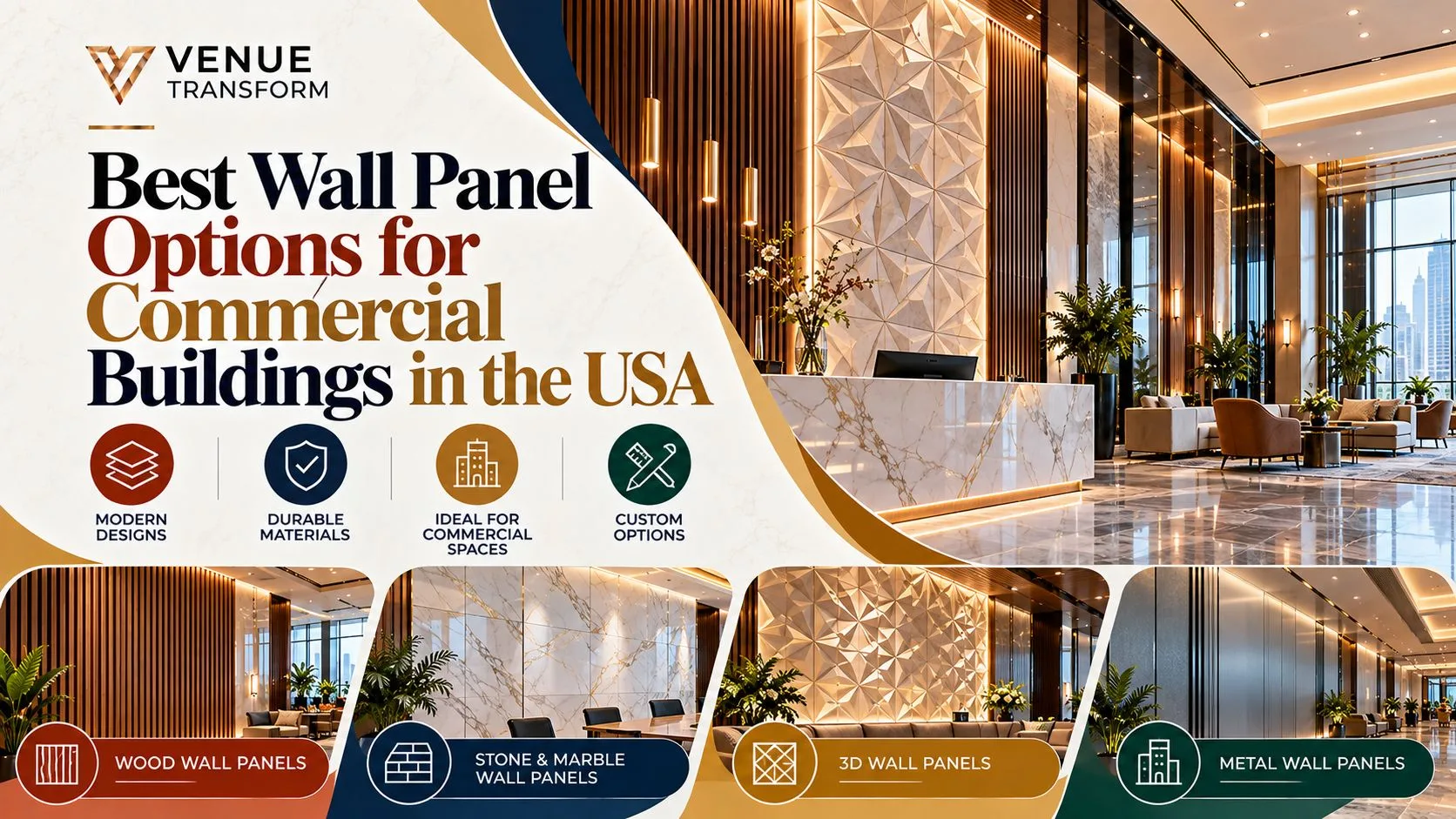
Wood gives a space that warm, upscale feel right away. You see it a lot in hotel lobbies, restaurants and lounges. Real wood and wood veneer both look great, but they need a bit more care. Water and heavy bumps can mark them up, so they work best on walls that don’t get hit all day, like behind a bar or in a quiet dining area.
Laminate Panels
Laminate is one of the most common picks for busy spaces. It comes in tons of colors and wood or stone looks, and it wipes clean fast. It’s also easier on the budget than real wood. For hallways, buffet areas and back of house spots, it does the job without much fuss.
Acoustic Panels
Loud rooms wear people out. Banquet halls, restaurants and open lobbies bounce sound around, and conversations get hard to hear. Acoustic panels soak up some of that noise. Many are covered in fabric or have a textured face, so they look good too. They’re a smart pick if your space gets packed and loud.
3D Textured Panels
These have raised patterns, waves or lines that catch the light. They make a great feature wall behind a stage, a reception desk or a photo spot. Soft accent lighting makes them pop even more. Just ask how they get cleaned, since deep textures can hold dust.
Metal Panels
Metal panels give a sleek, modern look. Brass, steel and bronze looks are popular for bar fronts, elevator areas and accent walls. They’re tough and handle wear well, but fingerprints can show, so think about where they’ll go. Smaller accents often look better than covering a whole room.
Stone Look Panels
Real stone is heavy and costs a lot. Stone look panels give you a similar feel for less and are easier to install. They work well in lobbies, entrances and spa areas where you want a calm, high end vibe without the weight.
Where Each Panel Works Best
Think about what each wall actually does before you pick. A wall near the entrance gets bumped a lot, so go with something tough. A wall behind the stage is mostly for looks, so you can pick something more detailed. A dining room that gets loud might need acoustic panels. Matching the panel to the job is more important than picking the fanciest one.
Think About Cleaning and Upkeep
A great looking panel isn’t great if it’s a pain to clean. Smooth, sealed surfaces are the easiest. Heavier textures and some natural materials need more care. Ask how a finish handles spills, fingerprints and regular wiping. Your staff will deal with it every day, so make it easy on them.
Check Fire and Safety Rules
Commercial buildings have rules about what materials can be used inside, and those rules can change by city and state. Before you pick a panel, ask if it meets the fire rating your building needs. It’s a boring step, but it saves you from tearing something out later. If you’re working with commercial interior design help, they can usually point you in the right direction.
Match the Panels to the Rest of the Room
Panels should feel like part of the space, not an add on. Pick colors and finishes that go with your floors, counters and lighting. A warm wood panel next to a cold gray counter can look off. When the wall, the bar and the furniture share a few colors or materials, the whole room feels planned.
Don’t Forget Lighting
The same panel can look flat or amazing depending on the light. Soft accent lights along a textured wall bring out the depth. Harsh overhead lights can wash it out. Plan the lighting when you pick the panels, not after.
Installation Matters
Even the best panel looks bad if it’s put up wrong. Gaps, uneven seams and weak mounting make good materials look cheap. Ask who installs them and how they deal with corners, outlets and odd wall shapes. Custom panels cut to your exact walls usually fit cleaner than standard sizes.
Standard or Custom?
Standard panels cost less and work fine for simple rooms. Custom panels are made to fit your walls, your style and your traffic level. If your building has odd angles or you want a certain look, custom often saves headaches. It also helps you avoid ending up with something that almost fits.
Pick Durability Over Trends
Trends change fast. A panel that looks hot this year can feel dated in three. Go for finishes that hold up and fit your brand, then add trendy touches with smaller things like lighting or decor. That way you aren’t redoing your walls every few years.
Final Thoughts
The best wall panel for a commercial building depends on how the wall gets used. Wood adds warmth, laminate keeps things simple, acoustic panels calm a loud room and metal or stone looks add some style. Think about cleaning, safety rules, lighting and how it all matches. Do that, and your walls will look sharp and hold up for years.