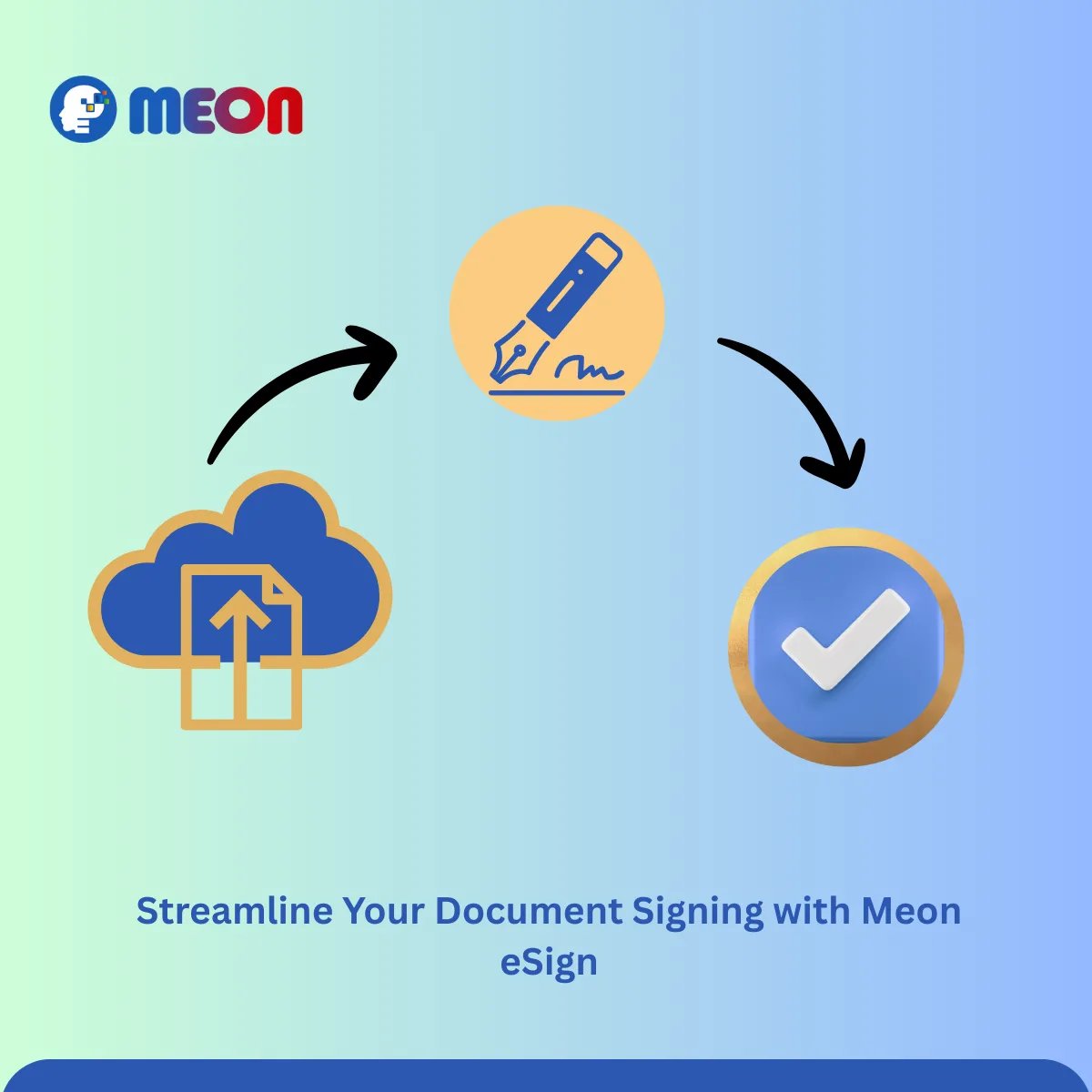
Opening a financial account should be a straightforward process, but documentation requirements can create delays for both customers and financial service providers. Forms need to be completed, declarations must be reviewed, and required signatures must be collected before the process can move forward.
For banks, fintech companies, NBFCs, and other financial service providers, managing these steps through physical paperwork can increase administrative effort and make remote customer onboarding more complicated.
Aadhaar eSign for account opening can help simplify eligible documentation workflows by allowing customers to sign documents electronically through an Aadhaar-based authentication process. When used for documents where electronic signing is permitted, it can reduce dependence on physical signatures and support a smoother digital onboarding experience.
What Is Aadhaar eSign for Account Opening?
Aadhaar eSign is an electronic signing mechanism that enables individuals to sign eligible documents digitally using an Aadhaar-based authentication process, subject to applicable requirements.
In a digital account-opening journey, customers may need to complete application forms, declarations, consent documents, or other paperwork. Where electronic signatures are permitted, Aadhaar eSign can become part of this workflow, allowing customers to complete the required signing steps remotely.
For financial institutions, this means signing can be integrated into an existing digital process rather than being managed as a separate, paper-based activity.
The documents eligible for electronic signing depend on applicable regulations, institutional policies, and the specific requirements of each account type.
Why Is Digital Signing Important for Account Opening?
1. Reduce Physical Documentation
Traditional account-opening processes may require customers to print forms, sign them manually, and submit the completed documents through an office or another physical channel.
Aadhaar eSign can remove these steps for eligible documents. Customers can review and sign digitally, helping reduce paperwork and the administrative effort involved in collecting physical signatures.
2. Make Remote Onboarding More Convenient
Customers increasingly expect to access financial services without visiting a branch or office for every administrative step.
By integrating electronic signing into an online account-opening journey, financial service providers can make eligible documentation easier to complete remotely. This can be particularly useful for digital-first platforms serving customers across multiple locations.
3. Reduce Delays Caused by Incomplete Forms
Missing signatures and incomplete documentation can interrupt account-opening workflows. Operations teams may need to contact customers repeatedly to resolve these issues.
A structured digital signing process can help make required signing steps more visible and allow teams to track document status. It can also help identify documents that remain unsigned so that appropriate follow-ups can be initiated.
Digital signing does not replace the need to review the completeness and accuracy of the overall application.
4. Improve Operational Efficiency
Financial institutions often process a high volume of account applications. Managing signatures manually across these applications can create additional work for onboarding and operations teams.
Integrating Aadhaar eSign into eligible workflows can reduce certain manual activities, such as coordinating physical signatures and organizing signed paperwork. Staff can then focus on verification, exception handling, and other tasks that require attention.
5. Maintain Better Document Records
Account-opening documents may need to be retrieved for customer service, internal reviews, or audits.
A digital signing solution with suitable document tracking and audit-trail capabilities can help organizations maintain more organized records. Businesses should assess whether the available records meet their specific operational, security, and compliance requirements.
Where Can Aadhaar eSign Fit Into Account-Opening Workflows?
The exact application depends on the financial product and the relevant signing requirements. Potential use cases include:
- Application documentation: Signing eligible forms submitted during the account-opening process.
- Customer declarations: Capturing signatures on permitted declarations and acknowledgements.
- Consent documents: Digitally signing eligible consent documentation where required.
- Service agreements: Signing relevant agreements where electronic execution is allowed.
- Supplementary paperwork: Managing additional eligible documents requested during onboarding.
Financial institutions should determine which documents can be signed electronically before including them in the workflow. Electronic signing should also be distinguished from other onboarding requirements, such as identity verification, KYC checks, and regulatory approvals.
How Does Aadhaar eSign Work in a Digital Account-Opening Process?
A typical workflow can be organized into the following steps.
Step 1: Customer completes the application
The customer enters the required information through the financial institution's website, mobile application, or onboarding platform.
Step 2: Required documents are prepared
The system generates or presents the relevant documents for review, based on the account type and the institution's process.
Step 3: The customer completes the signing process
For eligible documents, the customer follows the supported Aadhaar-based authentication process to apply the electronic signature.
Step 4: The signing status is recorded
The platform updates the document status so the institution can identify completed signatures and outstanding actions.
Step 5: The application proceeds through remaining checks
The institution continues with the applicable verification, review, and approval steps. A completed signature does not automatically mean that the account has been approved or opened.
This approach helps connect signing with the wider onboarding process while keeping verification and approval responsibilities separate.
What Should Financial Institutions Consider Before Implementation?
Before choosing an Aadhaar eSign solution, businesses should evaluate the following factors.
Regulatory Suitability
Confirm that electronic signing is permitted for each document type and that the workflow meets applicable legal and regulatory requirements.
Authentication and Security
Review the authentication process, data protection measures, access controls, and safeguards for sensitive customer information.
System Integration
Check whether the solution can integrate with existing onboarding platforms, customer portals, document management systems, and other relevant applications.
Document Tracking
Assess whether the system provides the signing status, timestamps, and audit information needed for operational monitoring and recordkeeping.
Customer Experience
Ensure the signing journey is understandable and works effectively across the devices customers commonly use. Clear instructions can help reduce incomplete signing requests.
How Meon Aadhaar eSign Supports Digital Documentation
Financial service providers looking to simplify eligible signing workflows can explore Meon Aadhaar eSign.
When evaluating the solution, businesses should consider how its signing process, document tracking capabilities, security controls, and integration options align with their account-opening requirements.
The objective is to make the signing stage more convenient while maintaining the checks and controls needed for responsible financial onboarding.
Conclusion
Account opening involves several steps, and documentation can become a bottleneck when signatures depend on physical paperwork. Aadhaar eSign can help financial service providers simplify eligible signing activities, improve remote access to documentation, and reduce some manual administrative work.
Successful implementation requires more than digitizing a signature. Businesses must confirm document eligibility, maintain appropriate security controls, and integrate signing with their broader onboarding and verification processes.
With the right workflow, Aadhaar eSign can contribute to a more efficient and convenient digital account-opening experience.