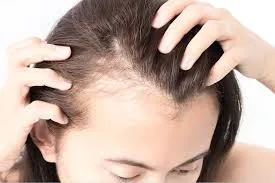
Hair loss is something many people experience at different stages of life, often bringing uncertainty and frustration along with it. While some cases require medical attention, a large number of individuals begin their journey by exploring simple, accessible options that can be incorporated into daily routines. Understanding what works and what does not is essential for making informed decisions and avoiding unnecessary disappointment.
For many, starting with non prescription hair loss treatments offers a practical and less intimidating way to address early signs of thinning while building a consistent hair care routine.
Understanding Why Hair Loss Occurs
Hair loss can stem from a variety of causes, and identifying the underlying reason is key to choosing the right solution.
Genetics is one of the most common factors, particularly in pattern hair loss. Hormonal fluctuations, including those caused by stress or lifestyle changes, can also trigger shedding. Nutritional deficiencies often go unnoticed but can significantly impact hair strength and growth. A lack of iron, biotin, and protein may lead to weaker strands and increased breakage.
Environmental influences such as pollution, harsh water, and excessive heat styling can damage both the scalp and hair over time. These factors may not cause immediate hair loss but can contribute to gradual thinning if not addressed.
What Are Non Prescription Solutions and How Do They Help
Non prescription options are typically the first line of defense against hair loss. These include topical products, supplements, and lifestyle adjustments that do not require medical supervision.
Topical treatments such as serums and oils often aim to improve scalp circulation and nourish hair follicles. While results can vary, consistent use may support healthier hair growth over time. Nutritional supplements can also play a role by addressing deficiencies that affect hair health.
Scalp care has gained increased attention in recent years. Gentle exfoliation, hydration, and proper cleansing can create an environment that supports stronger hair growth. These methods may not deliver immediate dramatic results, but they contribute to long-term improvement.
Real World Examples of Everyday Hair Care Changes
Many individuals see noticeable improvements simply by making small but consistent changes.
For example, someone experiencing early thinning due to stress might begin incorporating a balanced diet, regular exercise, and a calming routine such as meditation. Over time, these adjustments can reduce shedding and improve overall hair quality.
Another common scenario involves individuals who switch to gentler hair care products and reduce heat styling. Within a few months, they often notice less breakage and a healthier appearance.
These examples highlight that while non prescription solutions may seem simple, they can have a meaningful impact when used consistently.
The Importance of Consistency and Patience
One of the biggest misconceptions about hair loss treatments is expecting instant results. Hair growth is a gradual process, and even the most effective methods require time.
Consistency is crucial when using non prescription products. Skipping applications or frequently changing routines can limit effectiveness. It is also important to set realistic expectations and track progress over several months rather than weeks.
Patience often determines success. Those who stay committed to their routine are more likely to see positive changes in hair thickness and overall health.
When to Consider Professional Guidance
While non prescription solutions can be effective, there are situations where professional advice becomes necessary.
If hair loss is rapid, severe, or accompanied by other symptoms, it may indicate an underlying condition that requires medical attention. Consulting a specialist can help identify the cause and recommend appropriate treatments.
Providers like ZMD Hair offer guidance that bridges the gap between basic care and advanced solutions. By assessing individual needs, they help patients determine whether to continue with non prescription methods or explore more targeted treatments.
Combining Lifestyle and Treatment for Better Results
The most effective approach to hair loss often involves a combination of methods rather than relying on a single solution.
Maintaining a healthy diet rich in vitamins and minerals supports hair from within. Managing stress through activities such as yoga or regular exercise can reduce shedding triggered by hormonal imbalances. Adequate sleep also plays a vital role in overall hair health.
Pairing these habits with consistent use of non prescription products creates a well-rounded strategy that addresses multiple factors contributing to hair loss.
Common Mistakes to Avoid
Many people unintentionally hinder their progress by making avoidable mistakes.
Switching products too frequently is a common issue, as it prevents any single treatment from showing results. Overusing styling tools or applying excessive heat can also damage hair and slow down recovery.
Another mistake is relying solely on trends without understanding whether they suit individual needs. What works for one person may not be effective for another, making personalized approaches more reliable.
The Future of Accessible Hair Care Solutions
The demand for accessible hair care solutions continues to grow, leading to ongoing innovation in non prescription treatments.
From improved formulations to better understanding of scalp health, the industry is evolving to offer more effective options. As awareness increases, individuals are becoming more proactive about addressing hair loss early, often achieving better outcomes.
Today, many people begin their journey with non prescription hair loss treatments, using them as a foundation before considering advanced options if needed.
FAQs
1. Do non prescription hair loss treatments really work?
They can be effective, especially in early stages of hair loss or when combined with healthy lifestyle habits. Results vary depending on the cause and consistency of use.
2. How long should I use a product before expecting results?
Most treatments require at least three to six months of consistent use before noticeable improvements appear.
3. Are there any side effects with non prescription options?
Generally, they are safe, but some individuals may experience mild scalp irritation depending on the product.
4. Can I combine multiple treatments for better results?
Yes, combining products with lifestyle changes often leads to better outcomes, but it is important to ensure they are compatible and used correctly.