There is a tendency to think of formal shoes as something reserved for weddings, interviews and black-tie invitations. In reality, a good pair earns its place in the wardrobe because it can handle far more than one type of occasion.
The challenge is knowing what to look for. A shoe can look impressive online yet feel uncomfortable after an hour at a wedding. Another might be beautifully made but too formal for the clothes you actually wear. And then there is the question of colour, construction and whether one pair can sensibly cover several occasions.
For men shopping for formal shoes for men in the UK, the answer is rarely about finding the most expensive pair. It is about finding footwear that fits properly, works with your existing clothes and suits the situations in which you will actually wear it.
Choosing formal shoes for men in the UK
Start with the occasion rather than the shoe itself.
For a conservative office, interview or formal business setting, a black Oxford remains difficult to beat. Its clean lines and relatively restrained appearance make it one of the most dependable options in a man's wardrobe.
Derbies offer a little more flexibility. The open-lacing construction gives them a slightly less formal character, while still keeping them smart enough for many professional and social settings.
Brogues sit somewhere between traditional formality and personality. Their decorative perforations can make an otherwise straightforward leather shoe more distinctive, which is particularly useful for weddings, dinners and occasions where a completely plain shoe feels a little too serious.
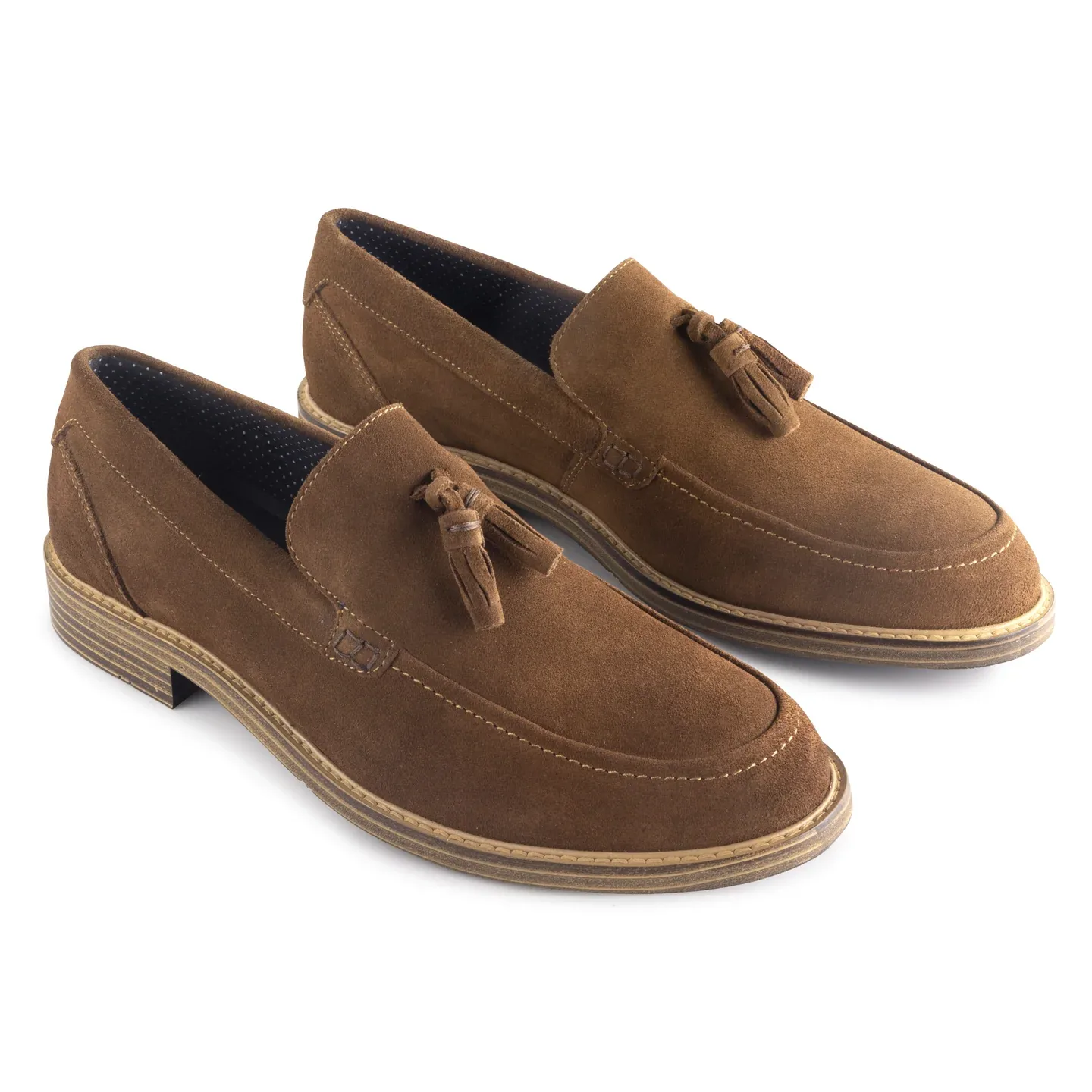
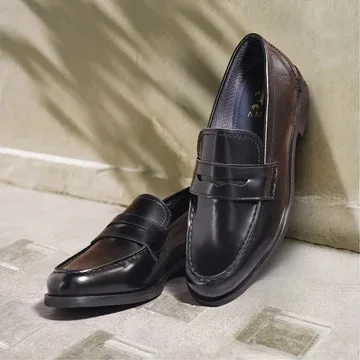
Loafers are another useful option, especially for less rigid dress codes. A well-made leather loafer can work with tailoring, smart trousers and, in warmer weather, lighter-weight outfits.
The point is not to own every style. It is to understand what each one does.
The main formal shoe styles worth knowing
Oxford shoes: The classic choice for formal businesswear and traditional occasions. Black is the most formal option, while dark brown gives greater versatility.
Derby shoes: Slightly more relaxed than Oxfords and often easier to wear for long periods because of their more accommodating lacing system.
Brogues: Identified by decorative perforations and available in several levels of formality. A full brogue is more noticeable; a simpler semi-brogue can be surprisingly versatile.
Monk straps: A distinctive alternative to lace-ups. They can bring character to a tailored outfit without becoming excessively flamboyant.
Loafers: Particularly useful for smart-casual wardrobes and warmer destinations. Penny and tassel loafers each have their own character, but both can bridge the gap between formal and relaxed dressing.
A useful rule is to consider how much visual detail your outfit already contains. If you are wearing a patterned suit, for instance, a heavily decorated shoe may compete for attention. With a plain navy or charcoal suit, a brogue or monk strap can add interest.
Colour matters more than many men realise
Black is the obvious starting point for formal footwear, but it is not necessarily the most versatile colour for every wardrobe.
Dark brown works exceptionally well with navy, grey and many shades of blue. Tan and lighter brown shoes can be effective with summer tailoring and more relaxed outfits, although they naturally appear less formal than black or dark brown.
Oxblood and burgundy can also be useful if you want something distinctive without moving into novelty footwear.
There is a practical consideration here, too. British weather is not especially forgiving to footwear. A lighter suede loafer might look perfect on a dry summer afternoon but is unlikely to become your dependable everyday shoe in Manchester in November.
Think about your climate and routine, not just the photograph on the product page.
Where men's luxury formal shoes fit in a modern wardrobe
The word "luxury" can mean different things in footwear.
For some people, it means a prestigious heritage label. For others, it means full-grain leather, careful finishing, a comfortable last and construction that can withstand regular wear.
Price alone does not tell the whole story.
When assessing men's luxury formal shoes, look closely at the upper, stitching, sole construction, lining and finishing. The fit should also be treated as part of the quality equation. A beautifully finished shoe that pinches across the toes is not a successful purchase.
This is one reason it can be useful to look beyond branding when comparing footwear. Collections such as those offered by Amen Shoes illustrate how traditional formal styles, including brogues, loafers and other leather footwear, can be presented alongside more contemporary designs.
There is nothing wrong with wanting a shoe that looks special. The trick is making sure it remains wearable.
Don't overlook men's holiday shoes
Holiday footwear presents a slightly different problem. You want shoes that are comfortable enough for walking, smart enough for dinner and practical enough to cope with changing plans.
That makes men's holiday shoes one of the more useful categories to think about as part of a wider wardrobe rather than a completely separate purchase.
Leather loafers are a strong option for city breaks and resort evenings. Suede can work particularly well with linen trousers and lightweight tailoring, provided the weather is likely to cooperate.
For a longer trip, versatility matters. Taking five pairs of shoes for a week away is rarely practical. A smart loafer, a comfortable casual trainer and a suitable pair of sandals or summer shoes will often cover considerably more ground.
The best holiday shoe is usually the one you can wear at breakfast, walk around town in during the afternoon and still feel comfortable wearing to dinner.
The details that separate a good shoe from a great one
Fit should come first.
Your heel should feel secure without being crushed, while your toes need enough room to move naturally. If your feet feel compressed when you first try a pair on, do not assume they will magically become comfortable after a few wears.
Pay attention to the sole as well. A formal shoe does not need to have an ultra-thin sole to look elegant, and a little grip can be useful on wet pavements.
Leather quality matters, but so does maintenance. Even an expensive pair will deteriorate quickly if it is repeatedly worn without being cleaned, conditioned or allowed to rest.
One of the simplest habits is also one of the most effective: rotate your shoes. Giving leather time to dry naturally between wears can help preserve both the upper and the interior.
Wooden shoe trees are another worthwhile investment, particularly for better-quality leather footwear. They help retain the shape of the shoe and can absorb moisture after a long day.
Build a shoe wardrobe, not a collection
Most men do not need a cupboard full of formal shoes.
A considered wardrobe might begin with a black Oxford or similarly formal lace-up, followed by a dark brown Derby or brogue. A versatile loafer can then cover smart-casual occasions and warmer weather, while a more relaxed holiday shoe fills the gap for travel.
From there, additions should be driven by actual needs.
If you attend several weddings each year, investing in distinctive formal footwear may make sense. If your working life is largely casual, buying several pairs of traditional business shoes probably does not.
The best footwear wardrobe is not the biggest one. It is the one where every pair has a reason for being there.
And that is ultimately the simplest way to approach formal shoes for men in the UK: choose for your real life, not an imaginary wardrobe.
FAQ
What colour formal shoes should men wear in the UK?
Black is the most traditional choice for highly formal occasions and conservative businesswear. Dark brown is more versatile and works particularly well with navy and grey tailoring.
Are brogues considered formal shoes?
Yes, although their level of formality varies. More heavily decorated brogues tend to feel less formal than plain Oxfords, while simpler brogue styles can work across both professional and social settings.
What are the best men's holiday shoes?
It depends on the destination and itinerary. Leather loafers are versatile for city breaks and dinners, while lighter footwear can be more suitable for warm-weather holidays. Comfort should be a priority if you expect to walk extensively.
How many pairs of formal shoes should a man own?
There is no fixed number. For many wardrobes, one black formal shoe and one versatile brown pair provide a strong foundation, with additional styles added according to work, weddings, travel and personal preference.