A retreat can offer something that everyday life often lacks: uninterrupted time to slow down, reconnect, and enjoy the present moment. Away from busy schedules and digital distractions, a peaceful environment can encourage reflection, creativity, meaningful conversations, and simple enjoyment.
Maine provides an especially inviting setting for this kind of getaway. Its forests, farms, open landscapes, and seasonal beauty create an atmosphere where guests can step away from routine and experience a slower pace. A thoughtfully planned retreat can combine mindful activities with delicious local food, outdoor exploration, and opportunities to simply rest.
For anyone planning a meditation retreat in maine, incorporating nature and locally inspired experiences can make the weekend feel more immersive. Instead of treating meditation as an isolated activity, it can become part of a broader experience centered on wellbeing, connection, and presence.
Why Maine Is Ideal for a Mindful Retreat
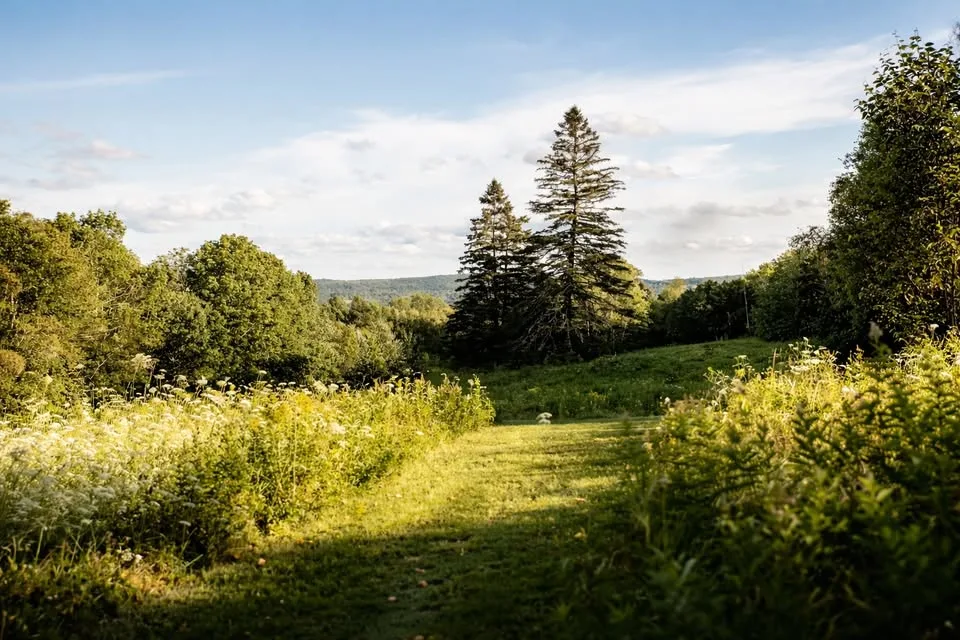
Maine's natural surroundings can provide a refreshing contrast to urban environments. Quiet forests, open fields, gardens, and peaceful walking paths create natural spaces for reflection.
A retreat does not have to be filled with activities from morning until night. Leaving room for unstructured time can be just as valuable. Guests might spend a morning meditating outdoors, take a leisurely afternoon walk, or enjoy a quiet evening conversation.
The changing seasons also give each Maine retreat its own personality. Spring brings fresh growth, summer offers long outdoor days, autumn creates colorful landscapes, and winter provides a cozy atmosphere for indoor reflection.
Creating a Meaningful Meditation Experience
Meditation can be adapted to suit different experience levels. A retreat may introduce beginners to simple mindfulness practices while giving experienced participants space to deepen their existing routines.
Possible sessions include:
- Guided meditation
- Breathing exercises
- Walking meditation
- Mindful observation
- Quiet reflection
- Gentle stretching
- Journaling
The purpose does not need to be perfection. Instead, meditation can encourage participants to slow down and become more attentive to their thoughts, surroundings, and experiences.
The Role of Nature in Mindfulness
Nature can naturally complement meditation. The sounds of birds, movement of leaves, changing light, and feel of the surrounding landscape can provide simple points of focus.
A guided nature walk can become a mindfulness exercise when participants are encouraged to notice details rather than rush toward a destination.
Even a few quiet minutes outdoors can provide an opportunity to pause and reset.
Food as Part of the Retreat Experience
Food can bring people together in a way that feels both social and meaningful. Fresh ingredients, seasonal recipes, and shared meals can become an important part of a retreat's atmosphere.
A farm to table experience can add another layer by connecting guests with the origins of their food. Instead of simply serving meals, organizers can create opportunities to learn about local ingredients, seasonal farming, gardening, and regional food traditions.
This approach can turn breakfast, lunch, or dinner into an experience rather than simply another item on the schedule.
Making Meals More Mindful
Meals can also support the overall theme of mindfulness. Guests can be encouraged to slow down, appreciate the ingredients, and enjoy conversations without distractions.
A communal dinner can become one of the most memorable parts of a retreat. Sharing a meal after a day of meditation or outdoor activities creates a natural opportunity for participants to connect.
Organizers might also include:
- Seasonal farm dinners
- Local ingredient tastings
- Cooking demonstrations
- Garden tours
- Group meal preparation
- Outdoor dining
These experiences can make the retreat feel connected to its location.
Balancing Structure and Free Time
One of the most important aspects of retreat planning is creating the right balance. A packed itinerary can leave guests feeling as though they are attending another busy event rather than taking a break.
A flexible schedule might include a morning meditation, followed by breakfast and free time. An afternoon nature walk or creative activity could lead into a relaxed evening meal.
Giving participants choices allows them to shape the experience according to their own energy levels and interests.
Adding Creative Activities
Meditation and nature can be paired with creative pursuits. Writing, painting, photography, crafting, or sketching can encourage guests to express what they notice during the retreat.
For example, a morning nature walk could be followed by a journaling session where participants record observations, thoughts, or ideas.
Creative activities can also help guests connect with one another without requiring formal introductions or structured networking.
Creating a Digital Pause
A retreat can provide a valuable opportunity to reduce digital distractions. Organizers may encourage guests to set aside phones during certain meals, activities, or quiet periods.
A technology-free meditation session or shared dinner can help participants remain engaged with the people and environment around them.
The goal does not have to be complete digital disconnection. Even small periods of intentional screen-free time can make a weekend feel more present and restorative.
Choosing the Right Retreat Setting
The setting can influence the entire experience. A successful retreat location should offer comfortable accommodations, spaces for group gatherings, access to nature, and areas where guests can enjoy quiet time.
The atmosphere should support the retreat's purpose. A wellness-focused weekend may benefit from peaceful outdoor spaces, while a creative retreat may require dedicated areas for workshops and projects.
Accessibility and practical considerations should also be taken into account when planning activities.
Exploring Casa Portal Retreats
Casa Portal Retreats provides an inviting concept for individuals and groups looking to create a meaningful retreat experience in Maine.
A setting that combines natural surroundings with opportunities for shared meals, mindful activities, creativity, and relaxation can help participants experience something beyond a traditional weekend getaway.
For retreat organizers, the right environment can make programming feel more natural. Instead of moving guests from one activity to another, the landscape itself becomes part of the experience.
Planning a Retreat Around the Seasons
Each season can inspire a different retreat theme.
Spring can focus on renewal and fresh beginnings. Summer can emphasize outdoor activities, farm experiences, and long evenings. Autumn offers opportunities for nature walks, seasonal food, and reflection. Winter can create a quieter atmosphere centered on meditation, reading, creativity, and cozy gatherings.
Seasonal planning also allows organizers to highlight locally available foods and experiences.
Taking the Experience Home
A successful retreat does not necessarily end when guests leave. Participants can take lessons, habits, and memories back into their everyday routines.
A simple closing practice can encourage guests to identify something they want to continue after returning home. It might be a daily meditation, mindful meal, regular nature walk, journaling practice, or commitment to creating more intentional downtime.
These small practices can help extend the retreat's influence beyond the weekend.
Conclusion
A Maine retreat can bring together many elements of a meaningful getaway: peaceful landscapes, meditation, fresh food, creativity, community, and time to slow down. When these experiences are thoughtfully combined, guests can enjoy a weekend that feels both restorative and memorable.
A farm to table experience can deepen the connection between guests and the surrounding landscape, while meditation and nature activities can create opportunities for quiet reflection.
For individuals and organizers seeking an inspiring setting, Casa Portal Retreats offers a concept where nature, mindful living, shared experiences, and relaxation can come together in one distinctive Maine retreat.
Frequently Asked Questions
1. What can be included in a Maine meditation retreat?
A retreat can include guided meditation, breathing exercises, nature walks, yoga, journaling, creative activities, shared meals, and periods of quiet reflection.
2. What is a farm-to-table retreat experience?
It connects guests with locally sourced and seasonal food, often through shared meals, cooking activities, farm visits, or learning about local ingredients.
3. Can beginners attend a meditation retreat?
Yes. Retreat programs can be designed to accommodate people with different levels of meditation experience, including complete beginners.
4. How can nature enhance a retreat?
Natural surroundings can provide peaceful spaces for meditation, walking, reflection, photography, creative activities, and relaxation.
5. Why choose Maine for a retreat?
Maine offers diverse natural landscapes, seasonal beauty, rural settings, farms, forests, and opportunities for outdoor and wellness-focused experiences.