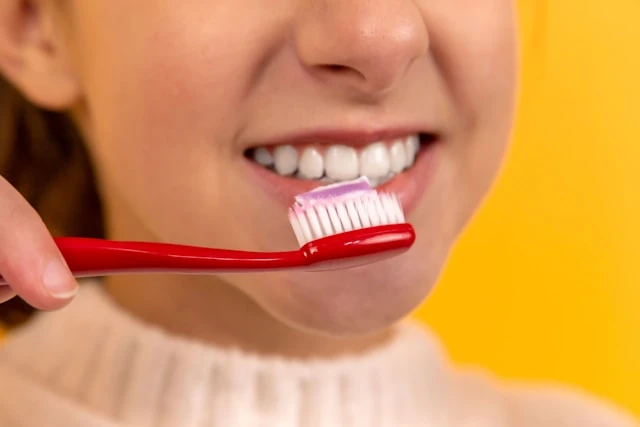
Brushing your teeth is one of the most basic habits we learn as children, yet many adults still unknowingly make mistakes that can compromise their oral health. While it may seem like a simple routine, the way you brush, how often, and even the tools you use can have a significant impact on your dental hygiene. Poor brushing habits can lead to plaque buildup, gum disease, enamel erosion, and even bad breath—issues that are easily preventable with proper technique and awareness.
Let’s explore eight common mistakes people make when brushing their teeth and how to correct them for a healthier, brighter smile.
Using the Wrong Toothbrush
One of the most overlooked aspects of brushing is the choice of toothbrush. Many people opt for hard-bristled brushes thinking they clean more effectively. In reality, hard bristles can damage the enamel and irritate the gums. A soft-bristled brush is usually recommended for most people, as it’s gentle yet effective at removing plaque.
Additionally, the size and shape of the brush head matter. A brush that’s too large may not reach the back teeth or tight spaces, while one that’s too small might require more effort to clean thoroughly. Electric toothbrushes can also be a great option, especially for those who struggle with manual dexterity or consistency.
Brushing Too Hard
Brushing harder doesn’t mean brushing better. In fact, aggressive brushing can wear down enamel and cause gum recession over time. Many people believe that scrubbing with force will remove more plaque, but it often does more harm than good.
Instead, use gentle, circular motions and let the bristles do the work. It’s not about pressure—it’s about technique. If your toothbrush bristles are frayed or splayed after a few weeks, that’s a sign you’re brushing too hard.
Not Brushing Long Enough
The recommended brushing time is two minutes, twice a day. Yet studies show that most people brush for less than a minute. This short duration isn’t enough to thoroughly clean all surfaces of the teeth, especially the molars and gumline.
Setting a timer or using a toothbrush with a built-in timer can help ensure you’re brushing for the full two minutes. Divide your mouth into quadrants and spend 30 seconds on each to make sure every area gets attention.
Neglecting the Gumline and Inner Surfaces
It’s easy to focus on the front surfaces of the teeth—the ones most visible when you smile. But the gumline, inner surfaces, and back molars are just as important. Plaque tends to accumulate along the gumline, and neglecting it can lead to gingivitis and other gum issues.
An oral health expert often emphasizes the importance of angling the brush at 45 degrees toward the gumline to effectively remove plaque. Don’t forget to brush the inner surfaces of your teeth, especially the lower front teeth, which are prone to tartar buildup.
Skipping the Tongue
Your tongue harbors bacteria that contribute to bad breath and can even affect your overall oral health. Yet many people skip this step entirely. Brushing or scraping your tongue daily helps remove bacteria and keeps your breath fresh.
Tongue scrapers are inexpensive and highly effective, but even using your toothbrush to gently clean the tongue can make a noticeable difference. It’s a small step that yields big benefits.
Using an Old Toothbrush
Toothbrushes don’t last forever. Over time, the bristles become frayed and less effective at cleaning. Most dental professionals recommend replacing your toothbrush every three to four months, or sooner if the bristles show signs of wear.
Using an old toothbrush can also harbor bacteria, especially if it’s not stored properly. Keep your brush upright and allow it to air dry between uses. Avoid covering it or storing it in closed containers, which can promote bacterial growth.
Rinsing with Water Immediately After Brushing
It’s a common habit to rinse your mouth with water right after brushing, but doing so can wash away the concentrated fluoride from your toothpaste. Fluoride helps strengthen enamel and protect against cavities, and it needs time to work effectively.
Instead of rinsing, spit out the excess toothpaste and avoid eating or drinking for at least 30 minutes. If you prefer to rinse, consider using a fluoride mouthwash to maintain the protective benefits.
Brushing Right After Eating
Brushing immediately after a meal—especially one that’s acidic—can actually harm your teeth. Acidic foods and drinks soften the enamel, and brushing too soon can wear it down. It’s best to wait at least 30 minutes after eating before brushing.
If you feel the need to freshen up, rinse your mouth with water or chew sugar-free gum to stimulate saliva production, which helps neutralize acids naturally.
Conclusion
Brushing your teeth is more than just a routine—it’s a cornerstone of good oral hygiene. By avoiding these common mistakes and adopting better habits, you can protect your teeth and gums for years to come. Small changes in technique, timing, and tools can make a big difference in your dental health. So the next time you reach for your toothbrush, take a moment to brush smarter, not harder.