The Importance of Protein in Supporting an Active Lifestyle
Maintaining an active lifestyle requires dedication, consistency, and proper nutrition. While regular exercise plays a major role in achieving fitness goals, nutrition often determines how effectively the body performs and recovers. Among all nutrients, protein remains one of the most important for individuals who want to support muscle maintenance, recovery, and overall wellness.
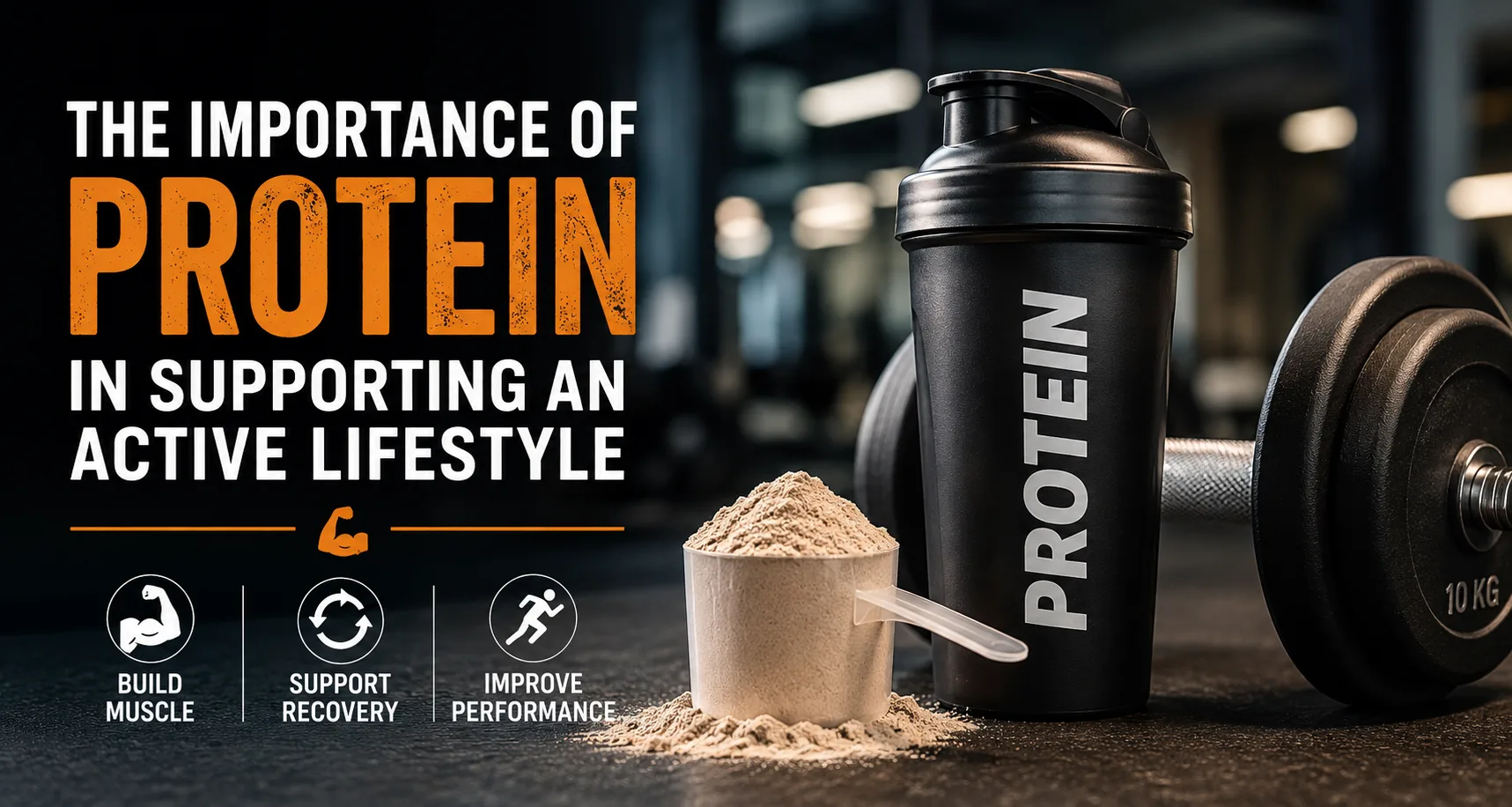
Protein is a fundamental building block of the body. It contributes to the maintenance of muscles and supports recovery after physical activity. Whether someone participates in strength training, sports, or general fitness activities, consuming adequate protein can help support their nutritional needs.
One challenge many people face is maintaining a balanced diet while managing busy schedules. Work responsibilities, travel, and daily commitments often make it difficult to prepare nutritious meals consistently. As a result, convenient nutritional solutions have become increasingly popular among fitness enthusiasts.
Developing healthy habits is one of the most effective ways to achieve long-term fitness success. Instead of focusing on short-term results, individuals often benefit from creating routines that can be maintained over time. Regular exercise, proper hydration, quality sleep, and balanced nutrition all contribute to sustainable progress.
Recovery is another important aspect of an active lifestyle. Physical activity places stress on the body, and proper nutrition helps support recovery between workouts. Many athletes and active individuals prioritize protein intake as part of their overall wellness strategy because it fits naturally into a balanced fitness routine.
In addition to exercise and nutrition, consistency remains one of the most valuable factors in achieving personal goals. Small improvements repeated over time often produce better results than extreme approaches that are difficult to maintain. Building healthy habits gradually can lead to long-term success and improved well-being.
Consumers should always focus on making informed nutritional decisions. Understanding dietary requirements, reading product information, and selecting quality nutrition sources can help support individual health and fitness objectives. While supplements can complement a balanced diet, they should be viewed as part of a broader approach that includes healthy eating and regular physical activity.
Ultimately, fitness is a journey rather than a destination. By focusing on balanced nutrition, consistent exercise, and sustainable habits, individuals can create a strong foundation for long-term wellness. Protein remains an important part of this process, helping active people support their lifestyle and work toward their personal fitness goals. Building Sustainable Fitness Habits
Long-term fitness success is rarely achieved through shortcuts. Individuals who focus on gradual improvement, balanced nutrition, and realistic goals are often more successful in maintaining healthy habits. Consistency, patience, and informed decisions remain the foundation of a sustainable and active lifestyle.