Upgrading security at an established commercial facility requires careful planning to improve perimeter protection without unnecessarily disrupting daily operations. Palisade fencing can provide a practical option for projects involving existing boundaries, access points and restricted operational areas. By assessing current site conditions and security requirements, project teams can identify improvements that support both facility protection and ongoing operations.
1. Strengthening Existing Perimeter Boundaries
Older perimeter systems may no longer align with a site's current security requirements. Changes to operations, asset values or access arrangements can create a need for stronger physical separation.
A security assessment can identify vulnerable sections, damaged panels and areas where the existing boundary may require upgrading. Replacement fencing should be selected according to the site's risk profile and operational needs.
2. Improving Access Point Security
Gates are often critical points within a commercial perimeter. Worn locking hardware, poor alignment or unnecessary access openings can affect the effectiveness of the overall boundary.
Security upgrades should review gate condition, locking mechanisms, hinges and access control arrangements. Coordinating these elements with the surrounding fence can help establish more consistent perimeter protection.
3. Separating Restricted Operational Areas
Commercial facilities may contain plant rooms, equipment compounds, loading areas and storage zones that require controlled access. Clearly defined boundaries can help distinguish these areas from general operational spaces.
The fence layout should reflect how staff, contractors and service vehicles move around the site. Dedicated access points can help limit entry to authorised personnel while retaining practical routes for maintenance activities.
4. Supporting Infrastructure Protection
Facilities containing electrical equipment, utilities or essential operational assets may require additional protection around selected areas. Fence height, panel configuration and gate placement should be considered according to the security requirements of each location.
Where a site includes transport infrastructure or rail-related assets, a railway fence may be appropriate for particular boundary applications, subject to the relevant project specifications and operating conditions.
5. Managing Upgrades Around Live Operations
Replacing an existing perimeter can be challenging when a facility must remain operational throughout construction. Deliveries, staff movements and maintenance activities may need to continue while fencing work is underway.
Project teams should establish installation stages, temporary boundaries and material delivery arrangements before work begins. A coordinated sequence can help reduce disruption and maintain appropriate separation around active work areas.
6. Considering Long-Term Durability
Commercial fencing is exposed to weather, site activity and potential physical damage. Material specifications and protective finishes should reflect the environmental conditions and expected level of use.
Posts, panels, fixings and gates should be assessed as part of the complete system. Suitable materials and regular inspections can help support long-term performance and identify maintenance requirements before problems escalate.
7. Planning for Future Site Requirements
Commercial facilities can change as equipment is added, buildings are modified or operational areas expand. Security upgrades should consider potential future access needs and changes to the site layout.
Gate locations, fence alignment and maintenance access should be reviewed alongside current plans. This can reduce the likelihood of extensive modifications when the facility's requirements change.
Coordinating Fencing With Other Security Measures
Physical barriers are most effective when they form part of a coordinated site security strategy. CCTV, lighting, alarms and electronic access control may all contribute to monitoring and managing perimeter activity.
Project teams should review camera sightlines, lighting coverage and access procedures before finalising the design. This helps ensure new fencing does not unintentionally obstruct existing security equipment.
Assessing the Existing Site Before Procurement
Before ordering materials, contractors should inspect the current fence line, ground conditions, drainage, underground services and surrounding structures. These factors can affect installation methods and the compatibility of new sections with existing infrastructure.
Accurate measurements and clear specifications can also help reduce procurement errors and avoid unnecessary on-site adjustments.
FAQs
When should a commercial site consider upgrading its fencing?
An upgrade may be appropriate when existing fencing is damaged, access arrangements have changed, security risks have increased or the current system no longer meets operational requirements.
How can palisade fencing improve perimeter security?
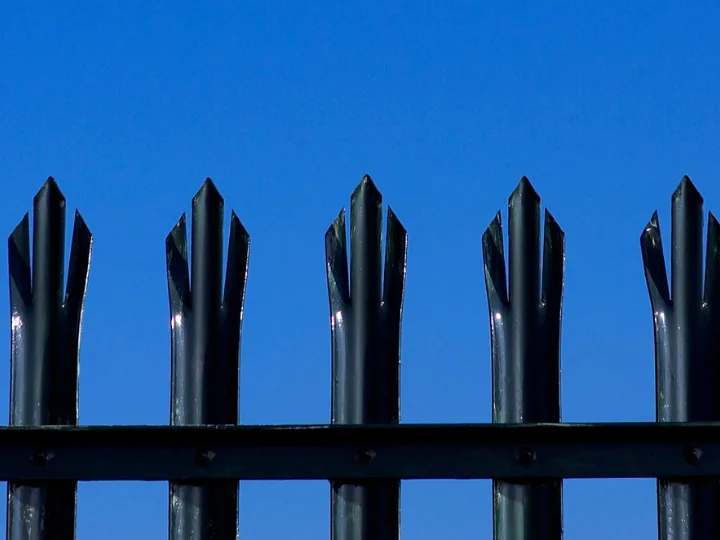
Palisade fencing can establish a robust physical boundary when its configuration, height, posts and gates are appropriately specified for the site's security needs.
Can fencing be upgraded while a facility remains operational?
Yes, provided the work is properly staged and suitable arrangements are made for access, temporary separation, deliveries and ongoing operations.
Is a railway fence suitable for commercial infrastructure?
A railway fence can be considered for relevant transport or rail-related applications where the design meets the site's security, operational and project requirements.
What should be checked before installing replacement fencing?
Project teams should assess existing boundaries, ground conditions, access points, underground services, security equipment, material specifications and future maintenance needs.
Security upgrades at existing commercial sites require a balance between stronger perimeter protection and uninterrupted operations. Reviewing boundaries, gates, restricted areas, environmental conditions and future access requirements can help project teams develop a suitable upgrade strategy. With careful specification and coordinated installation, palisade fencing can provide a durable perimeter solution for commercial facilities seeking to improve their existing security arrangements.