Selecting the right perimeter barrier is important for projects where unauthorised access, asset protection and controlled site entry are key considerations. 358 mesh can provide a strong and difficult-to-climb boundary for commercial, industrial, infrastructure and government environments. However, project teams should assess several technical and operational factors before specifying a solution.
1. Define the Required Security Level
Start by identifying what the perimeter needs to protect and the types of access risks present on the site. Sensitive facilities may require a barrier that provides increased resistance to climbing, cutting and forced entry. Understanding the security objective helps determine the appropriate fence height, panel configuration, posts, fixings and gate arrangements.
The perimeter should also be considered as part of the site's broader security strategy rather than as an isolated barrier.
2. Consider Mesh Configuration and Construction
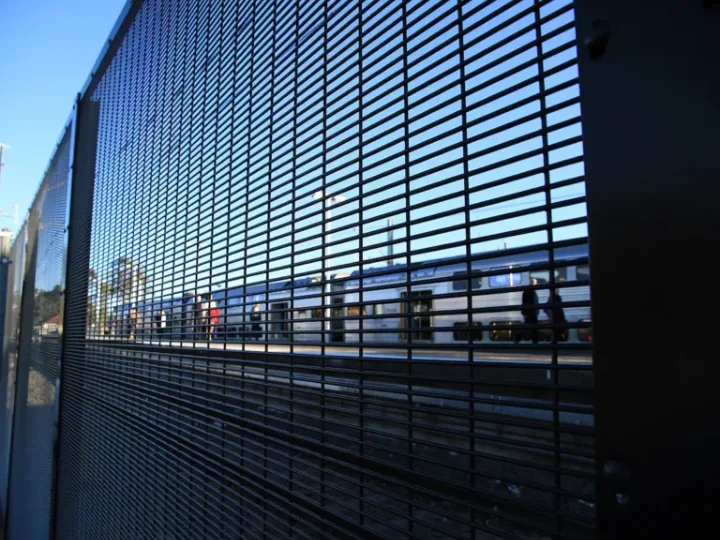
The dimensions and construction of the mesh influence its physical performance. Closely spaced openings can make it more difficult for intruders to gain footholds or manipulate tools through the barrier.
Project specifications should consider wire diameter, aperture size, panel dimensions, post spacing and connection methods. These details should be selected according to the site's security requirements and applicable project specifications.
3. Assess Site Conditions
Ground conditions can significantly affect fence installation and long-term performance. Sloping terrain, uneven surfaces, hard ground, drainage areas and changing ground levels may require careful planning before installation begins.
A site assessment can help determine appropriate post foundations, panel alignment and transitions between different ground levels. Addressing these factors during design can reduce installation complications and support a consistent perimeter.
4. Plan Gates and Access Points
A secure perimeter is only as effective as its controlled entry points. Vehicle and pedestrian gates should be planned alongside the fence so that access requirements do not create weaknesses in the overall boundary.
Consider gate location, opening direction, traffic movements, access control equipment and the frequency of authorised entry. Sites with heavy vehicle movements may also require gate configurations that accommodate operational requirements without compromising security.
5. Check Visibility and Surveillance Requirements
Security fencing should support effective site monitoring. A suitable configuration can provide visibility through the perimeter, allowing security personnel and surveillance systems to monitor activity around the boundary.
CCTV positioning should be considered during the design stage. Avoiding unnecessary visual obstructions can help cameras maintain useful sightlines around vulnerable areas, gates and service zones.
6. Evaluate Environmental Exposure
Outdoor security barriers can be exposed to rain, moisture, UV radiation, dust, pollutants and other environmental conditions. The selected finish and construction should therefore be appropriate for the site's location and expected exposure.
Projects near industrial facilities, transport corridors or coastal environments may require additional consideration of corrosion protection and ongoing inspection requirements. Maintenance access should also be incorporated into the overall perimeter plan.
7. Consider Future Security and Operational Needs
Security requirements can change as a facility expands or operational arrangements develop. Future access points, additional surveillance equipment, new buildings or changes to vehicle movements may affect the perimeter.
Planning for potential modifications can make future upgrades more straightforward. Project teams should also consider inspection, maintenance and replacement requirements when evaluating the overall lifecycle of the fencing system.
Why These Factors Matter
Selecting a perimeter system involves more than choosing a fence panel. Security objectives, construction details, site conditions, access arrangements, surveillance, environmental exposure and future requirements should all be considered together.
For projects where a secure and durable boundary is required, 358 mesh should be evaluated against the site's specific operational, security and installation requirements. A structured assessment helps project teams develop a perimeter solution that supports access control, asset protection and long-term site security.
Frequently Asked Questions
1. What is 358 mesh used for?
It is commonly considered for security perimeters around commercial, industrial, infrastructure, government and other restricted sites.
2. Is 358 mesh difficult to climb?
Its closely spaced mesh openings provide limited footholds, making climbing more difficult than with many conventional mesh configurations.
3. Can railway fence systems use similar security principles?
Yes. A railway fence can be designed to establish a clear boundary while supporting controlled access and operational requirements along transport infrastructure.
4. Should gates be planned with the fence?
Yes. Gate positions, access control, vehicle movements and pedestrian access should be considered as part of the overall perimeter design.
5. What site conditions should be assessed before installation?
Project teams should review ground levels, slopes, soil conditions, drainage, environmental exposure and existing infrastructure before finalising the fence design.