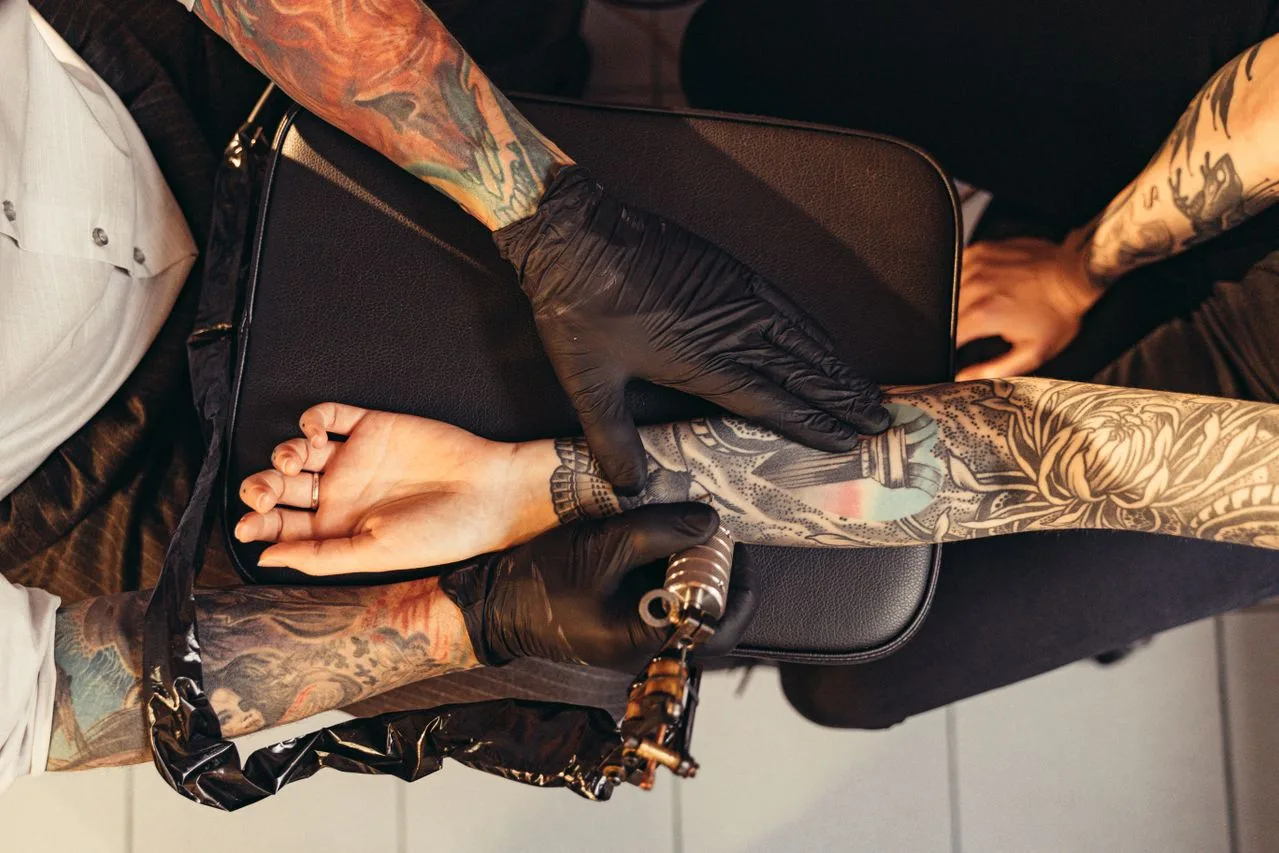
Getting your first tattoo is a significant decision that deserves careful consideration. Unlike many other choices you make, a tattoo is a permanent or semi-permanent alteration to your body that will be visible for years to come. Before you schedule an appointment or visit a tattoo studio, there are several factors you should evaluate. Taking time to think through these considerations can help you make a decision that aligns with your values, lifestyle, and long-term goals. The key aspects outlined below can guide you as you contemplate whether this step is right for you.
1. Design Selection and Personal Meaning
The design you choose for your first tattoo should hold genuine significance for you. Many people select tattoos that represent important moments, beliefs, values, or people in their lives. You might consider whether you want something abstract, symbolic, representational, or text-based. Spend time researching different styles, artists, and references that appeal to you before settling on anything. The design should be something you genuinely love rather than something trendy that might feel dated in a few years. Think carefully about placement as well, since some locations on your body are more visible than others and may affect your professional or social interactions depending on your circumstances.
2. Finding a Qualified and Reputable Artist
The artist you choose will significantly influence the quality and safety of your tattoo experience. Research tattoo artists in your area by looking at their portfolios, reading reviews from previous clients, and checking their credentials. A good artist will have proper training, experience with the specific style you want, and a clean, professional workspace. For those pursuing highly detailed or lifelike designs, realism tattoo artists specialize in techniques that replicate photographic detail and require a high level of skill to execute well. You should feel comfortable asking questions about their sterilization procedures, the inks they use, and their experience with first-time tattoo recipients. Schedule a consultation before committing to an appointment so you can discuss your design, get pricing information, and assess whether you feel confident with the artist.
3. Understanding the Pain and Healing Process
Getting a tattoo involves some level of discomfort that varies depending on your pain tolerance, the size of the tattoo, its location on your body, and the artist's technique. Different areas of your body have varying levels of sensitivity, with bonier areas and areas closer to nerve endings typically being more uncomfortable. According to Healthline, the healing process typically takes two to four weeks and requires specific aftercare to prevent infection and ensure proper color retention. You will need to keep the tattoo clean, moisturized, and protected from sun exposure and water during the initial healing period. Understanding what to expect physically can help you prepare mentally and make a fully informed decision about whether you are ready for this experience.
4. Considering Long-Term Commitment and Life Changes
Your tastes, preferences, and circumstances will evolve over time, so thinking about how your tattoo might fit into your future is worthwhile. Consider whether the design will still feel meaningful to you in ten, twenty, or thirty years. Think about potential career paths and whether visible tattoos might affect professional opportunities in your field. Reflect on how you would feel about the tattoo if your relationship status changes, if you move to a different cultural context, or if your personal beliefs shift. While tattoo removal technology has improved significantly, the process can be expensive, time-consuming, and may not eliminate the tattoo. Choosing a design and location that you can live with long-term is far easier than pursuing removal options later.
5. Health Considerations and Potential Risks
Before getting a tattoo, you should evaluate your current health status and any conditions that might affect the process or healing. People with certain medical conditions, compromised immune systems, or those taking specific medications should consult with their healthcare provider beforehand. Infection is a potential risk if proper sterilization procedures are not followed, which is why choosing a certified professional is essential. Allergic reactions to tattoo inks can occur, though they are relatively uncommon, and some people may also experience scarring or keloid formation if they have a genetic predisposition to these conditions. Discussing these potential risks with both your healthcare provider and your chosen artist can help ensure you move forward with a complete picture of what the process involves.
Conclusion
Taking time to consider these five factors before getting your first tattoo reflects thoughtfulness and respect for this permanent decision. Your design choice, the artist you select, your physical and mental readiness, your long-term outlook, and your health status all play crucial roles in ensuring a positive experience. By thoroughly evaluating each of these elements, you can approach your first tattoo with confidence and clarity. Whether you ultimately decide that getting a tattoo is right for you or you choose to wait longer, making this decision deliberately will serve you well. Any tattoo you get should reflect your authentic self and bring you satisfaction for years to come.