Most teams building KYC into a fintech, lending, or banking product reach the same decision point eventually: do you build CKYC integration in-house, or plug in an existing API? The second option usually wins on speed. But "it has a CKYC API" isn't a feature, it's a category, and the difference between a good one and a mediocre one shows up fast once you're in production. Here's what's actually worth checking before you commit.
1. Which Identifiers Can You Search With?
Not every CKYC API supports the same search paths. At a minimum, you want CKYC number, PAN, and Aadhaar. If your platform also onboards businesses, you'll need CIN (Corporate Identification Number) support too, since legal entity records are indexed differently from individual ones.
This matters because your actual onboarding flow dictates which identifier a customer is likely to have on hand first. A platform that only supports CKYC number search is going to leave you writing a workaround for every customer who doesn't already know theirs, which, in practice, is most first-time applicants.
2. How Does It Handle Consent?
CKYC data isn't something an institution can just pull freely. A valid consent flow, typically an OTP sent to the customer's registered mobile number, needs to happen before any record gets fetched. How an API handles this part matters more than it might seem.
Some APIs bundle consent capture into the same call. Others expect you to build that step yourself and just hand them a token. If you're integrating quickly, the first approach saves real engineering time. If you have specific UX requirements around consent screens, the second gives you more control. Either is fine, but know which one you're getting before you plan your sprint.
3. Does It Support Bulk Processing?
A single-record search API works fine for live onboarding. It falls apart the moment someone asks you to re-verify 10,000 existing customers, which happens more often than you'd expect, during a compliance audit, a merger, or a periodic KYC refresh cycle required under RBI norms.
Check whether the API has a dedicated bulk endpoint, how it reports partial failures (you don't want an all-or-nothing batch that fails silently on row 4,000), and whether failed records can be retried individually instead of resubmitting the entire batch.

4. What Happens to Legal Entity KYC?
If your platform serves businesses at all, this one matters more than people initially budget for. Legal entity verification pulls in directors, authorized signatories, and beneficial owners, not just the entity itself. An API that treats "legal entity CKYC" as an afterthought, or doesn't support it at all, will leave you building a second, parallel verification system for business customers.
Ask specifically whether the API traces beneficial ownership, and whether it links entity records to PAN and CIN the way regulators expect.
5. Where Does the Data Actually Live?
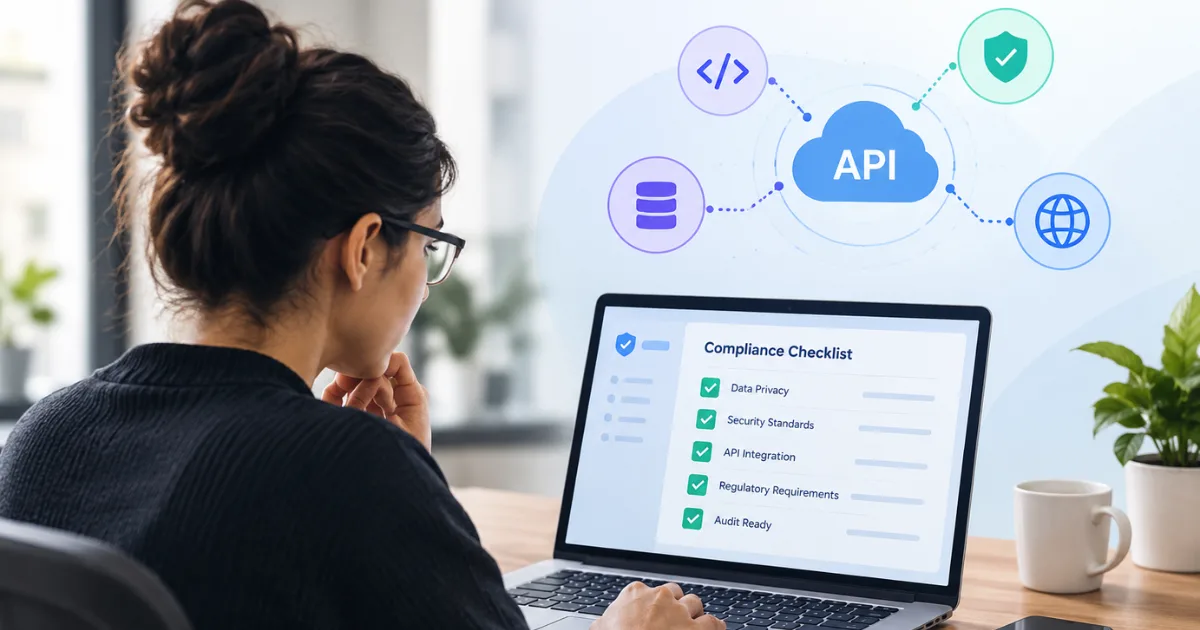
This is the one teams skip and regret later. KYC data is sensitive personal information, and under India's DPDP Act, where that data is processed and stored isn't a minor technical detail, it's a compliance question your legal or risk team will ask eventually.
Worth confirming upfront: Is customer PII stored in Indian data centers? Is there encryption at rest and in transit? Can the vendor produce a usable audit log (who accessed what record, when, under what consent) if a regulator or internal auditor asks? If a vendor can't answer these clearly, that's worth treating as a red flag regardless of how polished their documentation looks.

The Bottom Line
A CKYC API that handles identifier search well but falls short on legal entity support, bulk processing, or data residency isn't really a complete solution, it's half of one, and you'll end up building the other half yourself anyway. Going through these five checks before you integrate saves you from discovering the gaps after you're already live with customers depending on it.
If you're currently evaluating options, CKYC.ai is one example of a provider built around these specific checkpoints, worth a look as a reference point for what a fuller feature set looks like in practice.