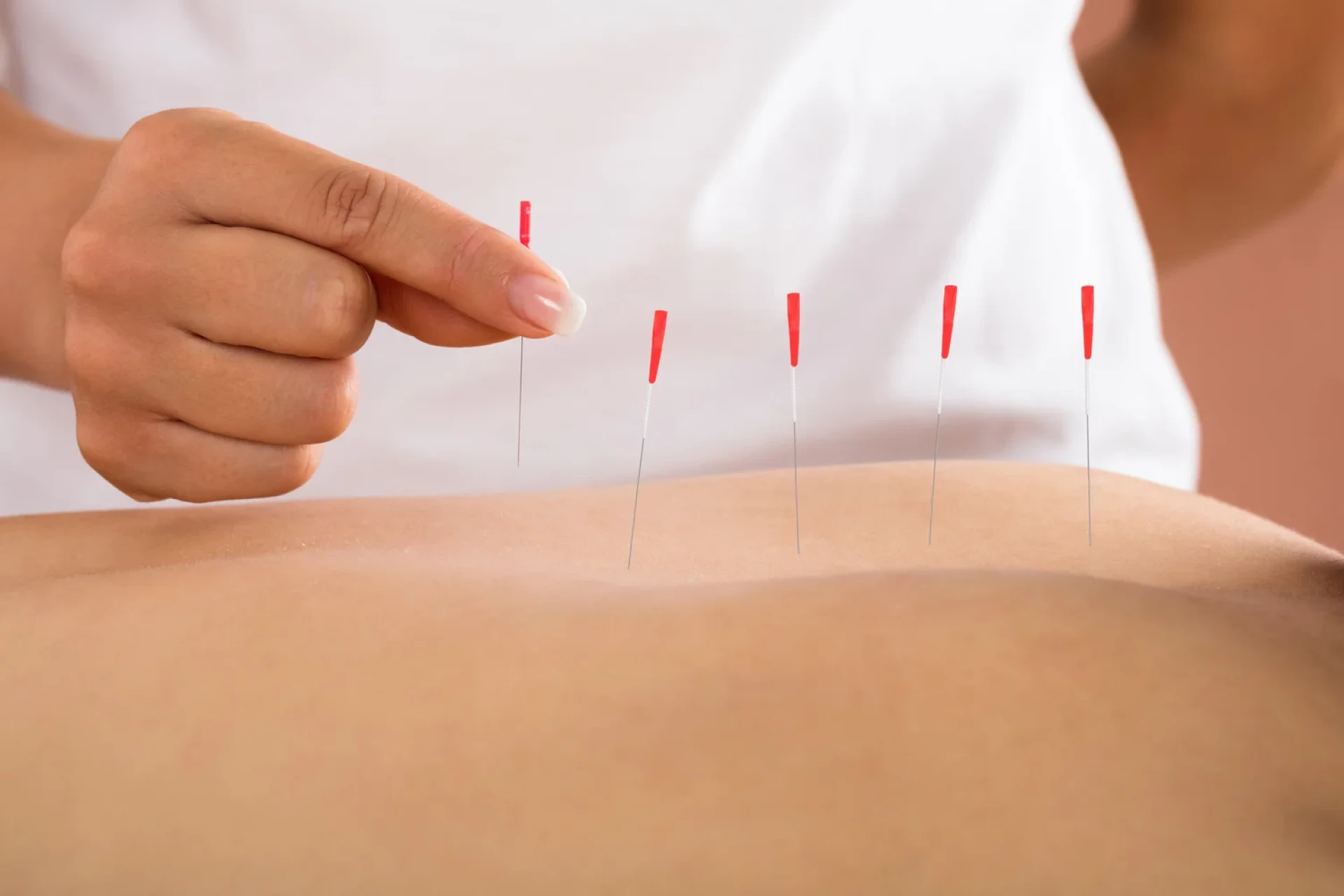
Dry needling is a growing trend in the world of physical therapy and pain management. While many people are familiar with acupuncture, dry needling is a distinct practice with its own unique benefits. In this blog, we’ll explore five surprising benefits of dry needling that you may not have known about, and why it’s gaining popularity among those seeking relief from chronic pain, muscle tension, and other musculoskeletal issues.
What Is Dry Needling?
Before we dive into the benefits, let’s first clarify what dry needling is. Dry needling involves inserting thin, solid needles into specific trigger points or tight muscle knots to alleviate pain, improve muscle function, and promote healing. Unlike acupuncture, which is based on traditional Chinese medicine and aims to balance the flow of energy, dry needling targets muscle trigger points, helping to release tightness and restore proper muscle function.
Now, let’s take a look at five surprising benefits that make dry needling worth considering:
1. Relieves Chronic Pain Without Medication
One of the most compelling reasons people turn to dry needling is its ability to reduce chronic pain. Whether you’ve been struggling with back pain, neck stiffness, or fibromyalgia, dry needling can be a powerful tool in your pain management strategy.
Many people who suffer from chronic pain turn to painkillers or over-the-counter medications for relief. However, these solutions often only mask the pain, leaving the underlying issue unaddressed. Dry needling, on the other hand, goes directly to the source of the pain—the muscle trigger points. By targeting these points, the body releases endorphins, which are natural painkillers, and promotes healing in the affected area. This non-invasive, drug-free approach offers long-term benefits without the risk of medication side effects.
2. Improves Range of Motion and Flexibility
If you’ve ever felt stiff or immobile, you’ll know how frustrating it can be. Whether it's from a past injury, poor posture, or repetitive movement, restricted range of motion can make daily activities difficult. Dry needling can help release tight muscles and fascia, leading to improved flexibility and mobility.
By stimulating the muscles and tissues, dry needling helps to break down adhesions and scar tissue that may be limiting your movement. For athletes or people with physically demanding jobs, this can lead to better performance and reduced risk of injury. Whether you’re trying to touch your toes again or improve your shoulder flexibility, dry needling might be the key to getting back to your best self.
3. Reduces Tension and Stress
Stress and muscle tension often go hand-in-hand, and many people carry their stress physically. Whether it’s tight shoulders, a stiff neck, or constant lower back discomfort, our bodies are quick to react to stress with muscle contractions. Dry needling can offer effective relief by targeting the specific muscle groups that are tense and painful due to stress.
By releasing trigger points, dry needling allows for muscle relaxation, which can have a profound impact on your stress levels. The release of muscle tension promotes a feeling of relaxation and helps to improve overall mood. It’s like giving your body a reset button, allowing you to feel lighter and less burdened by the weight of stress.
4. Speeds Up Recovery from Injuries
Injuries - whether acute or chronic - can take time to heal. But the good news is that dry needling can speed up the recovery process. After an injury, scar tissue or tight muscles can form around the damaged area, slowing down recovery and causing persistent pain. By targeting these areas with dry needling, you can help break down scar tissue, reduce inflammation, and accelerate healing.
For athletes or anyone recovering from surgery or an injury, dry needling can be a game-changer. It’s a targeted approach that works alongside other forms of rehabilitation, like physical therapy, to help you bounce back faster and more effectively. Plus, by promoting blood flow to the affected area, dry needling enhances the body’s natural healing process, ensuring that the tissue regenerates properly.
5. Treats Headaches and Migraines
It may come as a surprise, but dry needling can be an effective treatment for headaches and migraines. Many chronic headaches, especially tension-type headaches and migraines, are related to tight muscles in the neck, shoulders, and upper back. Trigger points in these areas can cause referred pain, leading to the throbbing pain of a headache.
Dry needling targets these specific trigger points, helping to release tension and improve circulation in the affected muscles. By doing so, it can reduce the frequency and intensity of headaches. For those who experience migraines or frequent tension headaches, dry needling may be an alternative treatment to reduce reliance on pain medications.
Conclusion
While dry needling offers a host of surprising benefits - from reducing chronic pain and improving flexibility to easing stress and speeding up recovery - it's important to consult with a licensed professional before trying it. Not every pain condition is suited to dry needling, and a qualified practitioner will assess your specific needs and tailor the treatment to ensure the best possible outcome.
If you’re dealing with muscle tightness, chronic pain, or any of the conditions mentioned above, dry needling might be a great addition to your wellness toolkit. With its ability to address both the symptoms and underlying causes of pain, dry needling is a versatile and effective treatment that’s worth considering.
So, the next time you find yourself struggling with tight muscles, stress, or limited mobility, remember that dry needling could be the solution you’ve been searching for!