Digital transformation has become a top priority for businesses across industries. Organizations are moving away from paper-based workflows and manual processes in order to improve efficiency, reduce operational costs, and deliver faster services to customers. However, one of the biggest barriers to digital transformation is the large volume of information still stored in physical documents, scanned files, and images.
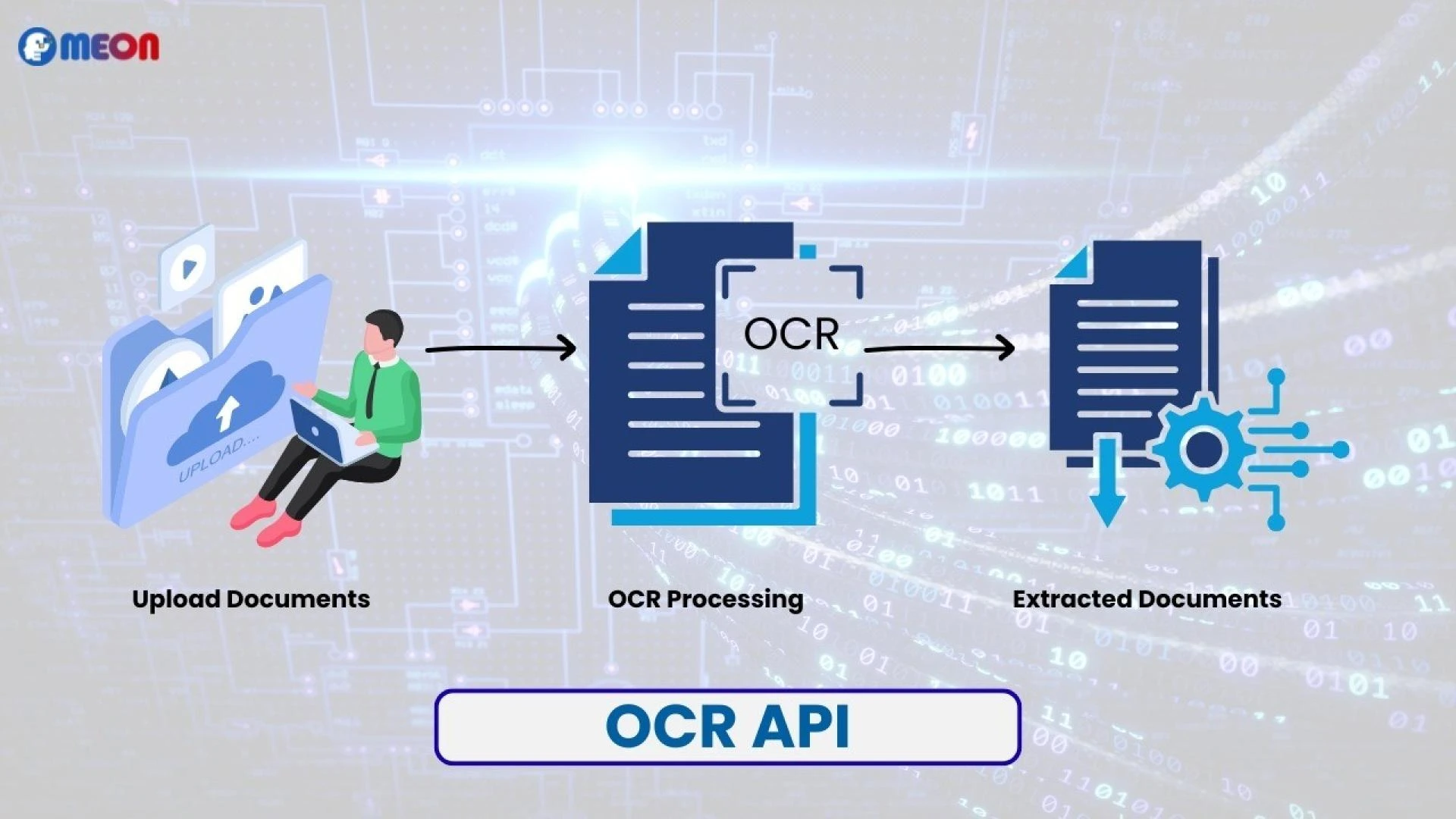
This is where Optical Character Recognition (OCR) plays a crucial role. OCR technology converts printed or handwritten text from documents into machine-readable digital data. By enabling automated data extraction and document processing, OCR helps businesses unlock the true value of their information.
Here are ten reasons why OCR is essential for successful digital transformation.
1. Converts Paper Documents into Digital Data
Many organizations still rely on paper-based documents such as invoices, contracts, forms, and identity proofs. Managing and storing these documents manually can slow down business operations.
OCR converts physical documents into searchable digital files. This allows businesses to store, manage, and retrieve information more easily, making document management more efficient.
2. Reduces Manual Data Entry
Manual data entry is not only time-consuming but also highly prone to errors. Employees often spend hours entering data from documents into software systems.
OCR automates this process by extracting relevant information automatically. This eliminates repetitive tasks and allows teams to focus on higher-value work.
3. Improves Operational Efficiency
Automation is a core component of digital transformation. OCR enables businesses to automate document-heavy processes such as verification, invoice processing, and form digitization.
By reducing manual intervention, organizations can process documents faster and improve overall operational efficiency.
4. Enhances Data Accuracy
Human errors during manual data entry can lead to incorrect records, compliance issues, and operational delays.
OCR technology improves accuracy by automatically capturing text from documents and converting it into structured data. Advanced OCR systems can also validate and format extracted information to ensure consistency.
5. Enables Faster Customer Onboarding
Industries such as fintech, banking, and insurance require customers to submit multiple documents for verification during onboarding.
OCR helps automate the extraction of information from identity documents and application forms. This significantly speeds up onboarding workflows and improves customer experience.
6. Supports Scalable Business Operations
As businesses grow, the volume of documents they process increases rapidly. Manual document handling systems often struggle to keep up with this growth.
OCR allows organizations to process large volumes of documents quickly and accurately. This scalability makes it easier for businesses to expand their operations without increasing administrative workload.
7. Strengthens Compliance and Record Management
Regulated industries must maintain accurate records and comply with strict documentation requirements.
OCR helps organizations digitize and organize important documents, making it easier to retrieve records during audits or compliance checks. Digital records are also easier to track and monitor compared to paper files.
8. Improves Data Accessibility
Paper documents are difficult to search and access quickly. Employees often spend valuable time locating specific information from physical files.
OCR converts documents into searchable digital text, enabling quick data retrieval. This improves productivity and ensures employees can access information whenever they need it.
9. Reduces Operational Costs
Paper-based processes involve costs related to printing, storage, document handling, and manual labor. Over time, these expenses can significantly impact operational budgets.
By digitizing documents and automating data extraction, OCR helps businesses reduce these operational costs while improving efficiency.
10. Accelerates End-to-End Digital Workflows
Digital transformation is not just about digitizing documents—it is about creating fully automated workflows.
OCR acts as a bridge between physical documents and digital systems. Once data is extracted from documents, it can be automatically integrated into business applications such as CRM systems, accounting platforms, and verification tools.
This enables organizations to create seamless end-to-end digital workflows.
Final Thoughts
For businesses aiming to become truly digital, managing document-based information efficiently is essential. OCR technology plays a vital role in this process by converting unstructured documents into structured digital data that can be processed automatically.
By improving accuracy, reducing manual work, and enabling faster workflows, OCR empowers organizations to streamline operations and scale more effectively.
As digital transformation continues to reshape industries, adopting OCR will no longer be optional—it will be a fundamental requirement for businesses that want to stay competitive in an increasingly digital world.