
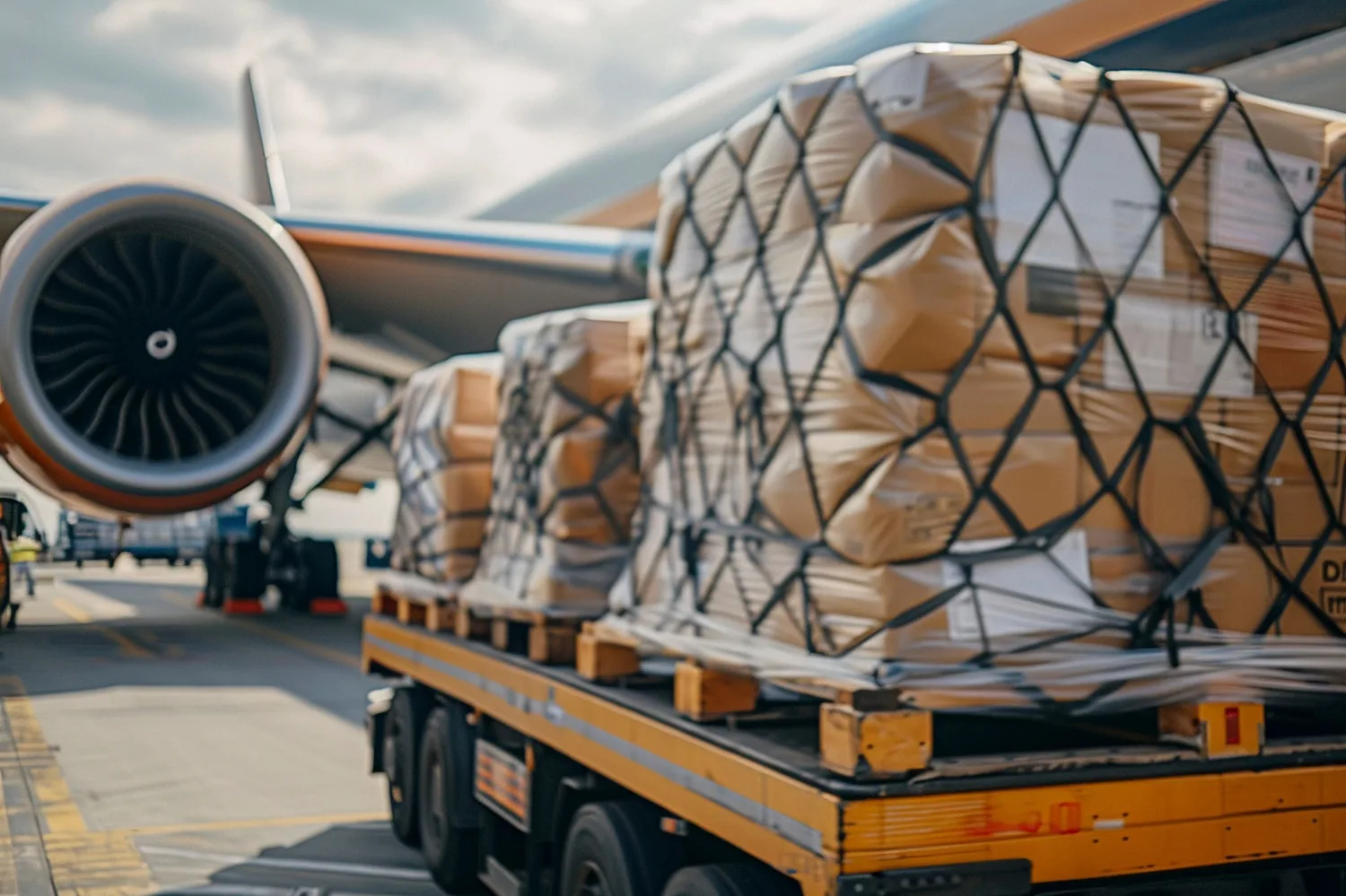
International courier shipping has made it easier for individuals and businesses to send parcels, documents, commercial products, personal belongings, and other permitted items across borders. However, international delivery times are not determined by distance alone. A shipment can travel through multiple transportation hubs and customs checkpoints before reaching its final destination.
Whether you need to send parcel to europe from india, ship commercial goods to another continent, or receive a package from overseas, understanding what can affect transit time helps you set realistic expectations.
Below are 10 important factors that can influence international courier delivery times.
1. Destination Country and Distance
The destination is one of the most obvious factors affecting delivery time. A parcel traveling to a major international hub may have more frequent transportation connections than one traveling to a remote location.
For example, delivery requirements can vary considerably between routes such as:
- courier to europe from india
- india to europe courier service
- courier from india to turkey
- india to scotland shipping
- courier from india to papua new guinea
- india to solomon islands courier service
- courier from india to solomon islands
Even when two destinations are geographically similar, available transportation routes and local delivery infrastructure can result in different transit times.
Inbound shipments can also have different timelines. Routes such as shipping from europe to india and courier from europe to india may involve different origin-side procedures, transportation schedules, and customs processes.
2. Choice of Courier Service
The type of courier service selected can have a significant effect on delivery speed.
Most international logistics providers offer several service categories, such as:
- Express shipping
- Priority delivery
- Standard shipping
- Economy services
Express services generally prioritize speed, while economy services may take longer but can be more suitable when the shipment isn't urgent.
Before booking, consider whether your shipment requires the fastest possible delivery or whether a longer transit time is acceptable.
3. Customs Clearance
Customs processing is one of the most important factors affecting international delivery time.
When a parcel crosses an international border, customs authorities may inspect the shipment and verify its documentation, declared value, contents, and applicable regulations.
Delays can occur when:
- Documents are incomplete.
- Shipment descriptions are unclear.
- The declared value requires clarification.
- Additional information is requested.
- Duties or taxes need to be assessed.
- The goods require additional approvals.
Businesses using import courier services should pay particular attention to destination-country import requirements.
Preparing accurate documentation before dispatch can help reduce avoidable customs delays.
4. Accuracy of Shipping Documents
Incorrect or incomplete documentation can cause a shipment to be held for clarification.
Depending on the shipment, documentation may include:
- Commercial invoices
- Packing lists
- Customs declarations
- Recipient identification
- Export documentation
- Import permits
- Product-related certificates
The exact requirements depend on the shipment and destination.
Accurate information about the sender, recipient, contents, quantity, and value helps customs authorities process shipments more efficiently.
5. Parcel Weight and Dimensions
The size and weight of a shipment can influence how it is transported and handled.
Small parcels can often move through standard courier networks, while large or unusually shaped shipments may require additional handling or transportation arrangements.
This is particularly relevant for businesses shipping bulky commercial goods or customers using door to door cargo service.
Larger shipments may move through cargo networks rather than standard parcel channels, potentially resulting in different delivery schedules.
6. Nature of the Shipment
The contents of a parcel can have a direct effect on delivery time.
Ordinary documents and permitted consumer products may follow standard processing procedures. Other categories can require additional checks.
For example, regulated materials may require a dangerous goods shipping service or specialized dangerous goods delivery services. Such shipments are subject to specific packaging, labeling, documentation, and handling requirements.
Food shipments can also require additional consideration. People searching for international food courier services or international courier services for food items should understand that food products can be subject to destination-specific restrictions and inspection procedures.
Consequently, specialized shipments may take longer than ordinary parcels.
7. Packaging and Labeling
Proper packaging does more than protect the contents—it can also support smoother handling throughout the logistics process.
Poorly packed shipments may require repacking or additional inspection. Incorrect or unclear labels can also create processing issues.
International parcels should generally have:
- Secure outer packaging
- Appropriate internal protection
- Clear recipient information
- Accurate shipment descriptions
- Required handling labels
- Proper documentation
For fragile, sensitive, or regulated products, additional packaging requirements may apply.
8. Transportation Schedules and Route Availability
International shipments depend on transportation networks, including flights, cargo connections, sorting facilities, and local delivery systems.
A route with frequent transportation connections may offer more scheduling flexibility than a route served by fewer international departures.
This can be particularly relevant for shipments involving less frequently served destinations.
For example, businesses may use routes such as:
- norway to india courier service
- courier from norway to india
- latvia to india shipping
- latvia to india courier service
- courier from latvia to india
- india to latvia courier service
- india to estonia courier service
- courier from india to estonia
- greece to india courier service
- courier from greece to india
- finland to india courier service
- lithuania to india courier service
Transit times on these routes can depend on transportation schedules, connecting hubs, customs processing, and final-mile infrastructure.
9. Weather, Holidays, and Unexpected Disruptions
External conditions can occasionally affect international delivery schedules.
Severe weather, airport disruptions, public holidays, strikes, transportation interruptions, and unexpected operational issues can delay shipments.
Holiday periods are particularly important because shipping volumes may increase while customs offices, businesses, and delivery networks operate on modified schedules.
Businesses planning time-sensitive international shipments should consider local holidays in both the origin and destination countries.
Building a small time buffer into delivery expectations can be useful when shipments are particularly important.
10. Final-Mile Delivery and Recipient Availability
Even after a parcel reaches the destination country, it still needs to complete the final delivery stage.
Final-mile delays can occur because of:
- Incorrect addresses
- Missing apartment or building information
- Recipient unavailability
- Remote delivery locations
- Local transportation issues
- Additional delivery attempts
This is why providing complete recipient information is essential.
A full address should ideally include the recipient's name, building or house details, street, city, postal code, state or region where applicable, and a valid contact number.
Customers arranging international courier services in amritsar or other Indian locations should also confirm that the recipient information is complete before the parcel is collected.
Special Shipments May Have Different Delivery Timelines
Not every international shipment follows the same process.
International Relocation Shipments
People moving overseas may require international relocation shipping for household goods, personal belongings, and other permitted items. These shipments can involve larger volumes, additional documentation, and specialized handling.
Unaccompanied Baggage
Travelers may use an unaccompanied baggage service to transport luggage separately from their flight. Delivery times can differ from ordinary parcel services because baggage may be handled through specialized logistics procedures.
Food Shipments
Food products can be subject to destination-specific import rules, shelf-life considerations, ingredient restrictions, and inspections. As a result, international food courier services may have different requirements from ordinary parcel delivery.
How to Reduce Avoidable International Delivery Delays
Although some delays are outside the sender's control, several practical steps can help minimize preventable problems.
Prepare Documents in Advance
Make sure all required documents are complete and accurate before the shipment is collected.
Describe the Contents Clearly
Avoid vague descriptions. Provide an accurate description of the goods and their intended use when required.
Check Destination Restrictions
Review the destination country's rules for restricted or prohibited items before booking.
Use Appropriate Packaging
Choose packaging that protects the contents and complies with applicable transportation requirements.
Provide Complete Recipient Details
Incorrect addresses are a common source of final-mile delivery problems.
Select an Appropriate Service Level
If a shipment is urgent, choose a service designed for faster transportation rather than assuming every international service has the same transit time.
Why Delivery Estimates Are Not Always Exact
International courier delivery estimates are generally based on expected transportation and processing conditions. They should not always be interpreted as guaranteed arrival dates.
A shipment may encounter circumstances beyond the courier's direct control, particularly during customs processing or unexpected transportation disruptions.
For this reason, businesses should avoid promising customers extremely tight delivery deadlines unless the selected service specifically provides a guaranteed delivery commitment.
For example, when planning courier from europe to india, the estimated timeline can depend on the origin location, destination address, customs requirements, transportation schedules, and shipment characteristics.
Frequently Asked Questions
1. What is the biggest factor affecting international courier delivery time?
There isn't one single factor. Destination, service type, customs clearance, documentation, transportation schedules, shipment contents, and final-mile delivery can all influence the timeline.
2. Does customs clearance always cause delays?
No. Shipments with complete and accurate documentation can often move through customs smoothly. Delays are more likely when information is incomplete, additional checks are required, or destination regulations create extra processing requirements.
3. Can food shipments take longer to deliver?
They can. Food products may be subject to additional import restrictions, documentation, inspections, and destination-specific regulations. Senders should verify whether the specific food item is permitted before shipping.
4. Why can large parcels have different delivery timelines?
Large or bulky shipments may require specialized transportation, additional handling, or cargo services. Their logistics process can therefore differ from standard parcel delivery.
5. How can I avoid unnecessary international delivery delays?
Provide accurate documentation, use suitable packaging, check destination restrictions, enter complete recipient information, describe the contents correctly, and select a service appropriate for the shipment's urgency.
Conclusion
International courier delivery time depends on a combination of factors rather than distance alone. Destination, service level, customs clearance, documentation, parcel dimensions, shipment contents, packaging, transportation availability, external disruptions, and final-mile delivery can all affect when a parcel reaches its recipient.
Whether you plan to send parcel to europe from india, arrange india to europe courier service, receive goods through import courier services, or ship specialized cargo internationally, understanding these factors can help you set realistic expectations.
Good preparation is one of the most effective ways to reduce avoidable delays. Accurate documentation, compliant packaging, complete recipient information, and appropriate service selection can make the international shipping process more predictable and efficient.