Poultry litter is not a glamorous topic. It piles up behind the barn, smells of ammonia, and attracts flies. For most growers, it is a cost—something to be hauled, spread, or stockpiled until the neighbors complain. But that same material contains nitrogen, phosphorus, and organic matter that gardeners, landscapers, and organic farms pay good money for. The only thing standing between a disposal problem and a revenue stream is the form. Raw litter is wet, heavy, and unstable. Pellets are dry, uniform, and easy to sell. The bridge between the two is a chicken manure machine built for the job.
The process is not complicated. Litter is dried to a consistent moisture level, ground to a uniform particle size, and pressed through a die under high pressure. The friction generates heat, which kills pathogens like Salmonella and E. coli while binding the natural fibers together. No chemical additives are needed. The pellets that emerge are hard, odorless, and stable enough to store for months. They can be bagged and sold to garden centers, or spread on your own fields to replace synthetic fertilizer. The heat also destroys weed seeds, which means the pellets are safe for vegetable crops and certified organic operations.
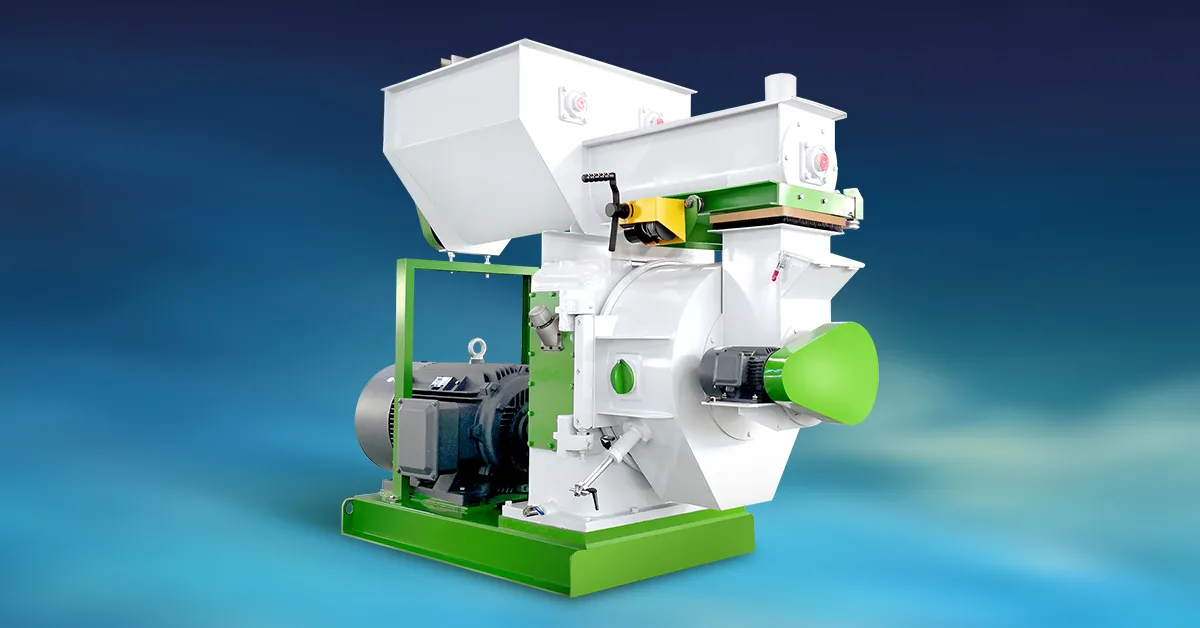
But not every machine can handle poultry litter. It is corrosive, abrasive, and inconsistent. Moisture swings with the weather and the bedding. Grit and minerals wear down cheap steel. A standard feed press will clog, rust, or crack within weeks. That is why serious producers invest in a pellet maker machine designed specifically for manure. These units use corrosion-resistant contact parts, heavy-duty dies, and forced feeding systems that keep production running even when the incoming material is sticky or wetter than expected. They also allow for quick die changes, so you can switch between pellet sizes or formulations without losing a full shift.
Equipment reliability is the difference between a profitable line and a daily headache. Dies wear out. Bearings fail. Belts stretch. The question is not whether maintenance will be needed, but how quickly you can get back up and running. That is where the manufacturer matters as much as the machine. A RICHI pellet mill is built for the long haul, with reinforced drive components and accessible maintenance points that keep downtime to a minimum. Their systems are configured for different scales, so you are not overpaying for capacity you will never use or struggling to keep up with demand.
The economics are straightforward. Litter is free. Pelletized litter sells for $200 to $400 per ton. The margin covers electricity, labor, maintenance, and wear parts. Many farms report payback periods of less than eighteen months, especially when they already have a way to dry the litter before pelleting. Some have turned their line into a separate business, accepting litter from neighboring farms and selling finished pellets under their own brand. Others use the pellets on their own fields, replacing synthetic fertilizer and improving soil health. The environmental benefits are equally real: open stockpiles release methane and ammonia, while pelletizing stabilizes nutrients and prevents runoff into waterways.
Related post:https://pelletizerextruder.com/poultry-manure-pellet-machine/
Before you commit to any equipment, visit a farm that already runs a pelleting line. Watch it operate for a full shift. Ask the operator what breaks, what wears out, and what they wish they had known. Ask about energy consumption per ton, die life, and spare parts availability. A supplier who can answer those questions is a partner. A supplier who cannot is just a vendor. Your litter is not a problem. It is inventory waiting for the right machine. And the right machine is out there, ready to turn a cost center into a paycheck.