
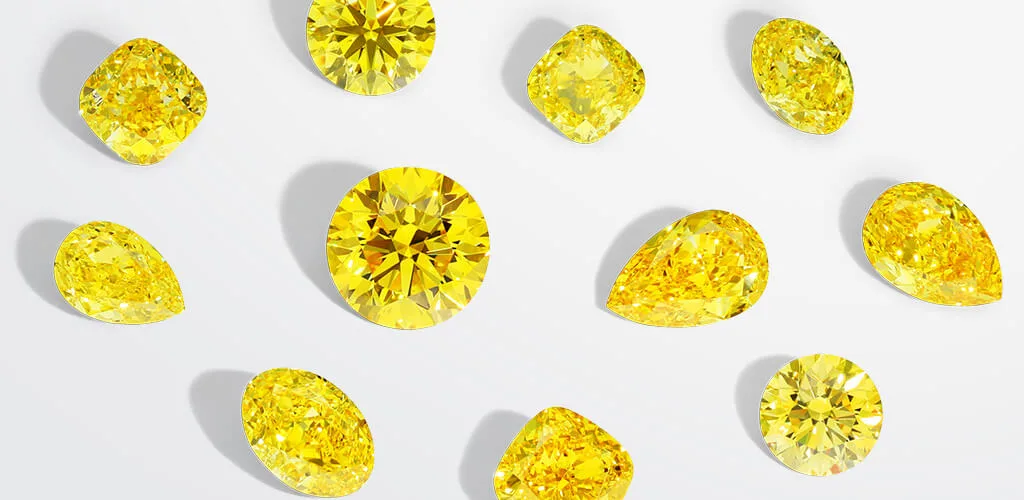
Introduction to Modern Yellow Diamonds
Yellow diamonds have long been admired for their warmth, rarity, and striking visual appeal. Traditionally, fancy yellow diamonds mined from the earth have been considered luxurious and highly valuable gemstones. However, advancements in technology have introduced a modern alternative: yellow lab grown diamonds. These stones offer the same chemical and optical properties as natural diamonds while providing greater accessibility, consistency, and affordability. As a result, they are increasingly being recognized as a practical and stylish alternative in today’s jewelry market.
How Yellow Lab Grown Diamonds Compare to Natural Fancy Yellow Diamonds
Fancy yellow diamonds found in nature are formed over millions of years under intense geological conditions. Their rarity and natural origin make them highly expensive and often limited in availability. In contrast, lab grown diamonds are created using controlled scientific processes that replicate these natural conditions in a matter of weeks.
A closer look at yellow lab grown diamonds reveals how precise control over nitrogen levels during formation allows for consistent color production. This means that unlike natural diamonds, which can vary significantly in shade and clarity, lab grown versions offer predictable quality and uniform appearance, making them highly attractive for modern jewelry design.
The Science Behind Lab Grown Yellow Diamonds
Yellow lab grown diamonds are produced using two main methods: High Pressure High Temperature (HPHT) and Chemical Vapor Deposition (CVD). Both techniques begin with a small diamond seed, which serves as the foundation for crystal growth.
In HPHT, carbon is subjected to extreme pressure and heat, simulating conditions found deep within the Earth’s mantle. In CVD, carbon-rich gases are broken down in a controlled environment, allowing carbon atoms to slowly build up layer by layer. The yellow color is achieved by introducing nitrogen during the growth process, which influences how the crystal absorbs light. This controlled method ensures consistent and vibrant yellow hues across different stones.
Affordability and Accessibility Advantages
One of the most significant advantages of yellow lab grown diamonds is their affordability compared to natural fancy yellow diamonds. Because they are produced in laboratories rather than mined, production costs are lower, resulting in more accessible pricing for consumers.
This affordability allows buyers to purchase larger stones or more intricate designs without exceeding their budgets. It also enables jewelry designers to incorporate yellow diamonds into a wider range of collections, making luxury more inclusive and available to a broader audience.
Consistency in Color and Quality
Natural fancy yellow diamonds often vary in color intensity, clarity, and size due to the unpredictable nature of geological formation. This variability can make it difficult to create matching sets or uniform jewelry designs.
In contrast, lab grown diamonds offer a high level of consistency. Manufacturers can control the growth environment to produce diamonds with specific color grades and clarity levels. This ensures that each stone within a batch closely matches the others, which is particularly valuable for designers working on coordinated jewelry pieces such as earrings, bracelets, or multi-stone rings.
Ethical and Environmental Benefits
Another major advantage of yellow lab grown diamonds is their ethical and environmental impact. Traditional diamond mining can involve significant land disruption, energy consumption, and complex supply chain concerns. Lab grown diamonds eliminate the need for mining, reducing environmental damage and resource extraction.
Additionally, lab grown diamonds offer greater transparency in sourcing, which appeals to consumers who prioritize ethical purchasing decisions. This shift toward sustainable luxury is one of the key reasons behind the growing popularity of lab grown alternatives in the jewelry industry.
Design Flexibility in Modern Jewelry
Yellow lab grown diamonds provide designers with exceptional flexibility. Their consistent color and availability in various sizes make them ideal for both classic and contemporary jewelry designs. They can be used as center stones in engagement rings or as accent stones in more intricate settings.
Their warm yellow tone pairs beautifully with different metals, including white gold, yellow gold, and rose gold. This versatility allows designers to experiment with a wide range of styles, from minimalist elegance to bold statement pieces. As a result, lab grown diamonds are becoming a preferred choice for modern jewelry collections.
Market Acceptance and Industry Growth
The jewelry industry has seen a significant shift in consumer attitudes toward lab grown diamonds. Once considered a niche product, they are now widely accepted as a mainstream alternative to natural diamonds. Many major jewelry brands have incorporated lab grown diamonds into their collections to meet growing demand.
This acceptance is driven by increased awareness of their benefits, including affordability, sustainability, and design flexibility. As technology continues to improve, lab grown diamonds are expected to play an even larger role in the global gemstone market.
Future Outlook for Yellow Lab Grown Diamonds
The future of yellow lab grown diamonds looks promising as innovation continues to enhance production efficiency and quality. Advances in technology are expected to further improve color control, clarity, and size options, making these diamonds even more appealing to consumers and designers alike.
As sustainability becomes a defining factor in luxury markets, lab grown diamonds are likely to become an even more important part of the jewelry industry. Their ability to combine beauty, ethics, and affordability positions them as a long-term alternative to natural fancy yellow diamonds.
Conclusion
Yellow lab grown diamonds represent a modern and practical alternative to traditional fancy yellow diamonds. Through advanced scientific processes, they deliver consistent quality, vibrant color, and ethical sourcing at a more accessible price point. As consumer preferences continue to evolve toward sustainability and value-driven luxury, these diamonds are set to remain a key force in shaping the future of fine jewelry.