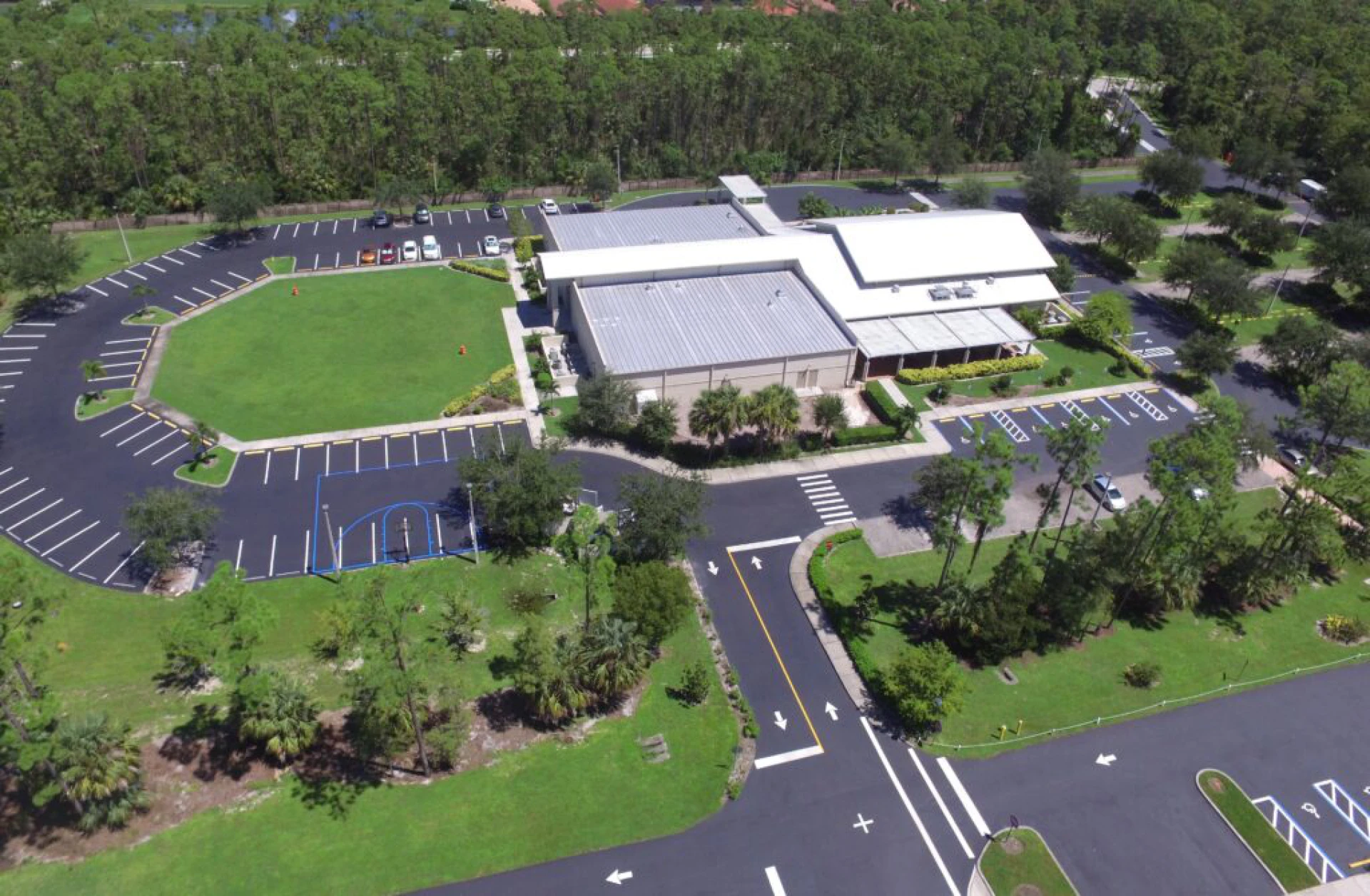
How often should commercial asphalt really be sealcoated? Some property managers insist on a yearly schedule, while others stretch it out across multiple years. The truth is, the ideal timing depends on traffic patterns, climate conditions, and the current state of the asphalt.
Proper sealcoating not only extends the life of asphalt but also enhances safety, curb appeal, and overall property value.
For commercial property owners in North Port and Sarasota, Asphalt Sealers provides expert sealcoating and asphalt repair solutions that protect lots, preserve appearance, and extend pavement life.
For property owners looking to maintain a smooth, professional-looking lot, understanding the difference between yearly and multi-year sealcoating can make all the difference.
This article examines how to choose the best schedule to protect commercial lots, whether that includes resurfacing, sealcoating, or even asphalt repair, while keeping striping visibility in mind.
Understanding Sealcoating Schedules
Sealcoating acts as a protective barrier against water, oil, UV damage, and everyday wear. Determining how often a lot needs treatment depends on several key factors:
1. Traffic Levels
· High-Traffic Lots: Parking areas for busy retail centers, office complexes, or schools experience frequent vehicle loads. Yearly sealcoating may be necessary to prevent cracks, potholes, and oil stains from penetrating the surface.
· Moderate to Low-Traffic Lots: Industrial parks, storage facilities, or smaller office lots often fare well with sealcoating every 2–3 years. These lots still benefit from protection but may not need yearly attention.
Regular monitoring of asphalt condition can help property managers decide whether a yearly or multi-year plan is more cost-effective, reducing the need for emergency asphalt repair later.
2. Climate Considerations
Climate plays a significant role in asphalt wear. Extreme heat, frequent rain, or seasonal freezes accelerate surface deterioration:
· Hot, Sunny Areas: UV rays can dry out asphalt, causing it to become brittle and crack. Sealcoating helps restore surface oils and prevent oxidation.
· Wet or Flood-Prone Areas: Moisture can penetrate unsealed asphalt, leading to erosion and base damage. More frequent applications may be warranted.
· Moderate Climates: Regions with mild, stable weather can often extend the sealcoating interval to every two to three years without compromising lot integrity.
Assessing local weather patterns and understanding the lot’s exposure can guide property managers toward the most effective schedule.
3. Asphalt Condition
Not all lots are created equal. Older asphalt, previously patched areas, or lots with minor cracks may require more frequent sealcoating. Key considerations include:
· Crack Size: Small surface cracks may only need sealcoating, but larger cracks could require asphalt repair before applying a protective coat.
· Surface Wear: Areas showing signs of fading, oil stains, or minor potholes will benefit from yearly sealcoating to prevent further deterioration.
· Previous Maintenance: Lots that have been consistently maintained may be suitable for multi-year sealcoating, while neglected lots may need annual attention.
In many commercial settings, sealing also provides an opportunity to refresh striping, ensuring parking spaces, directional arrows, and fire lanes remain clearly visible.
Advantages and Drawbacks of Each Approach
Yearly Sealcoating
Pros:
· Maximum protection against environmental damage.
· Reduces the likelihood of costly asphalt repairs.
· Keeps striping sharp and visible on commercial lots.
Cons:
· Higher upfront costs.
· May be unnecessary for low-traffic or recently resurfaced lots.
Multi-Year Sealcoating
Pros:
· Lower immediate costs.
· Appropriate for moderate-use lots or areas with stable weather.
Cons:
· Risk of accelerated deterioration if intervals are too long.
· Could lead to more expensive repairs if small cracks go untreated.
Making the Right Choice
The best approach often involves a hybrid strategy:
· High-Traffic Commercial Lots: Opt for yearly sealcoating to protect investment and maintain safety. Include striping each cycle to keep parking lines and safety markings visible.
· Moderate-Traffic Lots: Consider sealcoating every two years, supplemented with annual inspections and minor asphalt repairs as needed.
· Low-Traffic Lots: Multi-year sealcoating is typically sufficient, with attention to any emerging cracks or wear areas.
Property managers should also plan sealcoating around weather windows to allow proper curing and long-term durability.
Protecting Commercial Investment with Asphalt Maintenance
Are property managers truly maximizing the lifespan of their asphalt? Choosing the right sealcoating schedule is not just about cost—it’s about protecting an essential part of the property. Properly applied, sealcoating combined with timely asphalt repair can prevent deterioration, improve appearance, and ensure safety for tenants and customers.
For businesses in North Port or Sarasota, working with a trusted asphalt company ensures that sealcoating is done efficiently and effectively. Professionals can assess traffic patterns, climate impact, and existing asphalt conditions to recommend a schedule that balances protection and cost. Additionally, they can perform necessary repairs and ensure all parking lot striping remains highly visible, helping commercial lots remain functional and attractive for years.
When it comes to asphalt paving and repair in Venice and North Port, partnering with a reputable service provider guarantees both high-quality results and peace of mind. Don’t risk costly damage or safety issues—proper sealcoating and maintenance today can save thousands tomorrow.