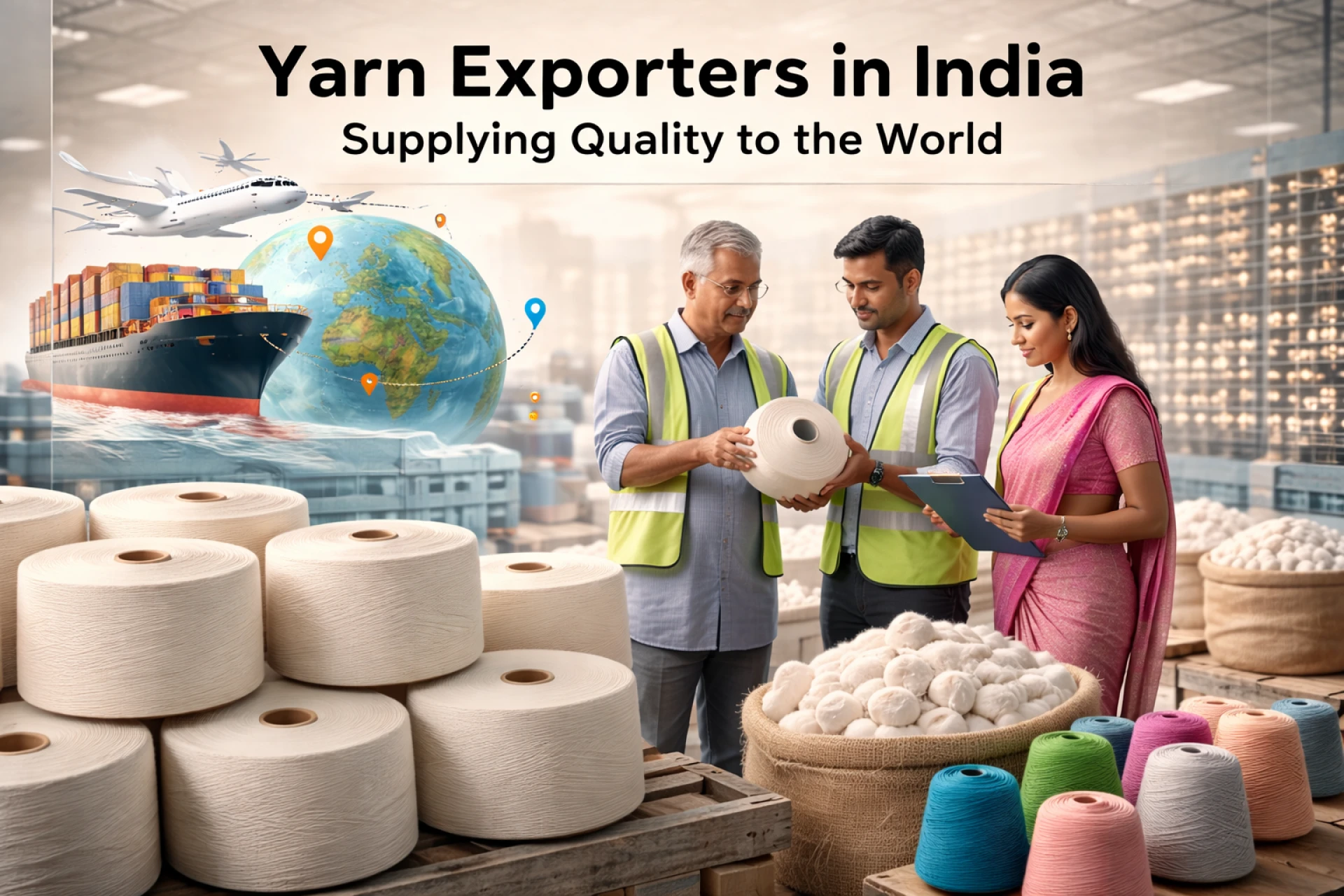
India has long been known as a textile powerhouse. From traditional handloom fabrics to large-scale spinning mills, the country’s textile ecosystem is deep, diverse, and globally connected. At the center of this ecosystem stand the yarn exporters in India, who quietly power fashion brands, home textile companies, and industrial fabric manufacturers across continents.
Today, Indian yarn reaches markets in Europe, the United States, the Middle East, Africa, and Southeast Asia. Buyers choose India not only for competitive pricing, but also for consistency, scale, and quality standards that meet global expectations.
The Strong Foundation of India’s Yarn Industry
The strength of India’s yarn exports begins at the source cotton fields, synthetic fiber production, and a vast network of spinning mills. India is one of the world’s largest producers of cotton, giving it a natural advantage in cotton yarn manufacturing. Alongside cotton, the country also produces polyester, viscose, blended yarns, and specialty fibers.
What makes yarn exporters in India stand out is their ability to handle both bulk commodity orders and customized requirements. Whether the demand is for compact cotton yarn, combed yarn, melange yarn, or blended varieties, Indian exporters are equipped to deliver at scale.
Spinning mills are often vertically integrated, controlling processes from fiber selection to spinning, quality testing, and packaging. This integration reduces dependency, improves quality control, and ensures timely deliveries, an essential factor in global trade.
Why Global Buyers Trust Indian Yarn?
International buyers have clear expectations: uniform strength, minimal contamination, accurate count, and consistent color. Indian exporters understand this well. Over the years, investments in advanced machinery from leading global manufacturers have significantly improved output precision.
Automated winding systems, contamination clearers, and computerized testing labs help maintain strict quality benchmarks. Many exporters also comply with international certifications such as OEKO-TEX, GOTS, and ISO standards.
Reliability plays a key role. Global textile production operates on tight schedules. Delays in yarn supply can disrupt entire manufacturing chains. That’s why experienced yarn exporters in India focus heavily on logistics planning, container optimization, and port coordination.
Expanding Beyond Cotton: Innovation and Diversification
While cotton remains dominant, the industry is evolving. Blended yarns combining cotton with polyester or viscose are increasingly in demand. Technical textiles, performance fabrics, and eco-friendly materials are shaping new export opportunities.
A growing segment within this shift includes recycled yarn manufacturers in India. With sustainability becoming central to global sourcing decisions, recycled yarn is no longer a niche product. Brands are actively seeking suppliers who can offer recycled cotton and polyester yarn without compromising strength or texture.
India’s manufacturing ecosystem has adapted quickly. Many mills now process textile waste, post-consumer garments, and recycled PET bottles into usable fibers. This has created a strong supply base for recycled yarn manufacturers in India who cater to environmentally conscious buyers worldwide.
Sustainability Is No Longer Optional
Sustainability has moved from marketing language to procurement criteria. International brands often audit suppliers for water usage, chemical handling, energy efficiency, and waste management practices.
Indian exporters are responding with solar-powered plants, rainwater harvesting systems, zero-liquid discharge processes, and energy-efficient machinery. The focus is not only on reducing environmental impact but also on creating long-term operational efficiency.
In this space, recycled yarn manufacturers in India are playing a significant role. By reusing textile waste and reducing dependence on virgin raw materials, they contribute to circular textile production. This shift strengthens India’s position as a responsible global supplier.
Competitive Pricing Without Compromising Quality
One of the reasons yarn exporters in India remain competitive globally is the balance between cost and quality. Access to domestic raw materials reduces input costs. Skilled labor and established infrastructure further support production efficiency.
However, cost leadership alone is not enough. Buyers increasingly look for value-added services such as customized counts, special packaging, flexible MOQs, and consistent technical support. Indian exporters who provide these services gain repeat business and long-term partnerships.
Technology as a Growth Driver
Technology has transformed yarn production. Modern spinning mills use automated blow rooms, high-speed ring frames, compact spinning technology, and real-time monitoring systems. These upgrades reduce imperfections and improve uniformity.
Digital systems also help exporters track inventory, monitor shipment timelines, and maintain transparency with buyers. In global trade, clear communication builds trust, and technology supports that transparency.
As a result, yarn exporters in India are no longer seen as just suppliers; they are strategic partners in global textile supply chains.
Meeting the Needs of Diverse Global Markets
Different markets demand different specifications. European buyers may prioritize sustainability certifications. American buyers often focus on durability and consistent counts. Middle Eastern markets may emphasize bulk volume and competitive pricing.
Indian exporters are experienced in navigating these varied requirements. They adapt production batches, packaging methods, and documentation standards accordingly. This flexibility has helped India maintain its reputation as a dependable sourcing destination.
At the same time, recycled yarn manufacturers in India are attracting new buyers who are building eco-conscious clothing lines and sustainable home textile collections.
Challenges in the Yarn Export Sector
Like any export-driven industry, yarn manufacturing faces challenges. Fluctuating raw material prices, global freight costs, currency exchange rates, and international trade policies can affect margins.
Cotton price volatility directly impacts production planning. Additionally, global competition from countries like China, Vietnam, and Pakistan requires Indian exporters to continuously improve efficiency and innovation.
Yet, resilience defines the industry. Over decades, yarn exporters in India have navigated economic shifts, policy changes, and global demand cycles while continuing to expand their reach.
Jindaltex: Setting a Benchmark in Yarn Exports
Among the many players in the market, Jindaltex has earned recognition as one of the best yarn exporters in India and worldwide. With a strong focus on quality control, global compliance, and customer satisfaction, the company has built long-term relationships across international markets.
Jindaltex combines advanced spinning technology with strict quality testing to ensure consistent output. Their product portfolio covers a wide range of yarn varieties suited for fashion, home textiles, and industrial applications.
Beyond scale, what sets Jindaltex apart is reliability. Timely deliveries, transparent communication, and attention to buyer-specific requirements make them a preferred partner for global brands seeking stable sourcing solutions.
The Growing Role of Sustainable Yarn
Sustainability is shaping purchasing decisions faster than ever. International apparel brands are setting ambitious carbon reduction targets and incorporating recycled materials into their collections.
This is where recycled yarn manufacturers in India continue to gain prominence. By offering traceable, certified recycled yarn options, they support global brands in meeting environmental commitments.
Recycled yarn is no longer limited to casual wear. It is being used in sportswear, denim, knitwear, and even upholstery fabrics. As awareness grows, demand is expected to rise steadily.
Future Outlook for Yarn Exports from India
The future looks promising. Government initiatives supporting textile exports, infrastructure development in ports, and policy reforms are strengthening India’s export capabilities.
Investment in research and development will further expand product diversity. Blended yarn innovations, performance fibers, and sustainable production techniques will likely dominate the next phase of growth.
With increasing global emphasis on ethical sourcing and supply chain transparency, exporters who maintain compliance and innovation will lead the market.
Conclusion
India’s textile heritage, combined with modern manufacturing capabilities, has positioned the country as a key global supplier of yarn. The yarn exporters in India have successfully balanced tradition and technology, delivering consistent quality to markets worldwide.
Sustainability, innovation, and strong logistics networks continue to strengthen their competitive edge. At the same time, recycled yarn manufacturers in India are redefining how textile waste can be transformed into high-quality, export-ready products.
Companies like Jindaltex exemplify how Indian exporters can meet global standards while maintaining reliability and performance. As international demand evolves, India’s yarn industry remains prepared not just to participate in global trade, but to shape its future.
FAQs
1. Who are the leading yarn exporters in India?
India is home to several reputed yarn exporters known for quality cotton, blended, and specialty yarns. Companies like Jindaltex have earned global recognition for consistent quality, strong supply chains, and adherence to international textile standards.
2. What makes yarn exporters in India competitive globally?
Yarn exporters in India combine advanced spinning technology, skilled labor, cost efficiency, and strict quality control. Their ability to handle bulk orders while maintaining consistency gives them an edge in international textile markets.
3. How do recycled yarn manufacturers in India support sustainability?
Recycled yarn manufacturers in India reduce textile waste by repurposing pre- and post-consumer fibers. This lowers environmental impact, saves water and energy, and supports eco-conscious fashion brands worldwide.
4. What types of yarn are exported from India?
Indian exporters supply cotton yarn, polyester yarn, blended yarn, organic yarn, and recycled yarn. These products serve industries such as apparel, home textiles, industrial fabrics, and technical textiles.
5. Why is Indian cotton yarn in high demand globally?
Indian cotton yarn is valued for its strength, softness, and durability. The country’s large cotton production base ensures steady raw material availability and competitive pricing for global buyers.
6. How do I choose the right yarn exporter in India?
Look for certifications, export experience, quality assurance processes, production capacity, and client reviews. Established names like Jindaltex are known for reliability, timely delivery, and global compliance standards.
7. What certifications should yarn exporters have?
Top yarn exporters maintain certifications such as ISO, OEKO-TEX®, GOTS, and other quality and sustainability standards. These certifications ensure product safety and international compliance.
8. Are recycled yarn manufacturers in India suitable for bulk orders?
Yes, many recycled yarn manufacturers in India operate with advanced machinery capable of handling large-scale production while maintaining fiber quality and color consistency.
9. Which countries import yarn from India?
Indian yarn is exported to countries across Europe, the United States, Bangladesh, Vietnam, Turkey, and several Middle Eastern and African nations due to its quality and competitive pricing.
10. Why is Jindaltex considered a trusted yarn exporter globally?
Jindaltex stands out for its consistent product quality, modern manufacturing infrastructure, and commitment to sustainable practices. As one of the trusted yarn exporters in India, the company serves clients worldwide with reliable supply and global-standard yarn solutions.