
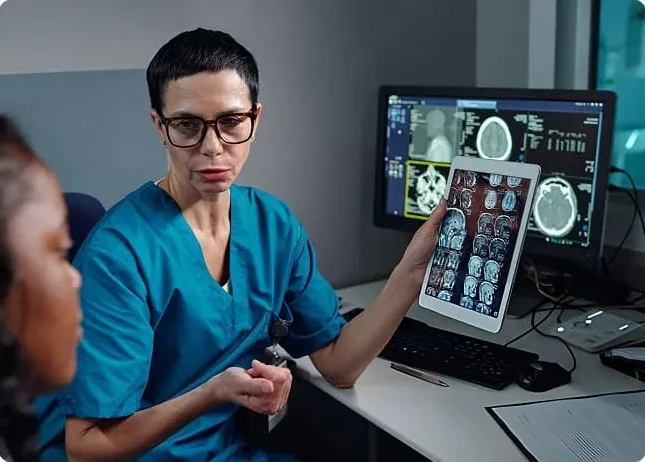
X-rays are among the most widely used diagnostic imaging methods in healthcare. From evaluating bone injuries and joint conditions to examining the chest and other body structures, X-ray imaging helps physicians investigate symptoms and make informed clinical decisions.
However, capturing an image is only one part of the diagnostic process. The images must also be carefully reviewed and interpreted by qualified radiologists. This is where professional X-Ray Interpretation Services become important.
Hospitals, imaging centers, emergency departments, and healthcare providers rely on dependable radiology reporting to manage their imaging workloads. As patient volumes increase and reporting requirements become more demanding, teleradiology offers a flexible way to access additional radiology expertise without requiring every interpreting radiologist to be physically present at the facility.
What Are X-Ray Interpretation Services?
X-Ray Interpretation Services involve the professional review of X-ray images by qualified radiologists who assess the visible structures and prepare diagnostic reports for referring healthcare professionals.
During the interpretation process, radiologists examine the images for relevant findings, abnormalities, and changes that may require further clinical evaluation. They consider the available clinical information and document their observations in a structured report.
X-ray examinations are commonly used to evaluate:
- Bone fractures: Identifying possible breaks, dislocations, and other bone injuries.
- Chest conditions: Examining the lungs, heart size, and surrounding structures.
- Joint problems: Assessing joint alignment, degenerative changes, and certain injuries.
- Spinal conditions: Evaluating bone structure and alignment in the spine.
- Routine medical concerns: Supporting the investigation of symptoms through diagnostic imaging.
The type of examination and interpretation required depends on the patient's symptoms, clinical history, and the treating physician's assessment.
Why Are Reliable X-Ray Interpretation Services Important?
Timely radiology reporting helps healthcare professionals understand imaging findings and coordinate appropriate patient care. When imaging departments experience increased workloads or limited staffing, maintaining consistent reporting coverage can become challenging.
Reliable X-ray interpretation support can help healthcare facilities address several operational needs.
1. Supporting Timely Reporting
Healthcare providers often need radiology reports to support clinical assessments and decisions. Efficient reporting workflows help facilities manage imaging requests and communicate findings to the appropriate medical teams.
2. Managing High Imaging Volumes
Large hospitals and busy imaging centers may process substantial numbers of X-ray examinations every day. Additional interpretation capacity can help manage periods of increased demand.
3. Supporting Emergency Departments
Emergency departments frequently require imaging evaluations for injuries, trauma, and other urgent medical concerns. Access to appropriate radiology coverage can support the reporting process when emergency imaging volumes increase.
4. Maintaining After-Hours Coverage
Radiology reporting needs do not always follow standard business hours. Overnight, weekend, and holiday coverage can help healthcare facilities maintain access to interpretation services beyond regular schedules.
5. Complementing Existing Radiology Teams
External reporting support can help facilities address staffing gaps, manage workload fluctuations, and provide additional coverage without replacing their existing radiology departments.
How Teleradiology Makes X-Ray Interpretation More Flexible
Teleradiology allows medical images to be shared securely with radiologists working remotely. Using digital imaging systems, healthcare facilities can send X-ray studies for interpretation and receive completed reports electronically.
A typical teleradiology workflow involves several steps:
- An X-ray examination is completed at a hospital or imaging center.
- The images are stored in the facility's imaging system.
- The study is securely transmitted to the remote radiology provider.
- A qualified radiologist reviews the images and prepares a report.
- The completed report is returned through the agreed communication workflow.
This approach allows healthcare organizations to access additional radiology reporting capacity while continuing to use their existing imaging equipment and clinical infrastructure.
Teleradiology can be especially useful for facilities that need overnight coverage, additional support during busy periods, or flexible reporting arrangements.
The Role of 24/7 X-Ray Reporting
Hospitals and emergency departments may require radiology interpretations at any time of day. Imaging requests can increase during nights, weekends, and holidays, making continuous reporting support an important consideration.
A provider offering 24/7 teleradiology coverage can help healthcare facilities arrange access to radiologists outside regular operating hours.
Some organizations also use Nighthawk teleradiology services to support overnight reporting requirements. These arrangements can complement onsite radiology teams and help facilities manage after-hours imaging workloads.
When evaluating 24/7 coverage, healthcare providers should consider reporting timelines, case prioritization, communication procedures, and how urgent findings are escalated. Turnaround times may vary depending on examination complexity, urgency, and service arrangements.
What to Look for in an X-Ray Interpretation Provider
Choosing a reliable radiology partner requires evaluating more than availability. Healthcare organizations should consider the provider's qualifications, technology, reporting processes, and ability to support their operational requirements.
Qualified Radiologists: Verify that interpreting radiologists have appropriate credentials and experience. ABR certification is an important qualification healthcare organizations may consider when evaluating U.S.-based radiology providers.
Flexible Coverage: Look for service options that can accommodate routine reporting, emergency imaging, overnight coverage, weekends, and holidays.
Secure Image Transmission: Patient imaging information must be handled through appropriate security measures and privacy safeguards.
RIS/PACS Integration: Compatibility with existing Radiology Information Systems and Picture Archiving and Communication Systems can help streamline image sharing and report delivery.
Clear Communication: Ask how urgent findings are communicated and how reports are delivered to referring healthcare professionals.
Scalable Solutions: Consider whether the provider can accommodate changes in imaging volumes and future reporting requirements.
Evaluating these factors can help healthcare facilities select an interpretation partner that complements their existing radiology operations.
X-Ray Interpretation Services from TopRad
TopRad is a U.S.-based teleradiology provider supporting hospitals, imaging centers, and healthcare organizations across the country. The company offers remote radiology interpretation services designed to help healthcare facilities manage reporting demands and maintain flexible coverage.
TopRad works with ABR-certified radiologists and provides 24/7 teleradiology coverage, including support for after-hours reporting requirements. Its secure RIS/PACS integration helps healthcare facilities coordinate remote imaging and reporting workflows.
Whether a facility needs additional X-ray reporting capacity, overnight coverage, or support during periods of increased imaging demand, TopRad offers flexible teleradiology solutions that can complement existing radiology teams.
Healthcare providers can explore available services by visiting the TopRad website or learning more about its Advanced Teleradiology Services.
Frequently Asked Questions
Who needs X-Ray Interpretation Services?
Hospitals, emergency departments, diagnostic imaging centers, urgent care facilities, and other healthcare organizations may use X-ray interpretation services to support their radiology reporting requirements.
Can X-rays be interpreted remotely?
Yes. Through teleradiology, X-ray images can be securely transmitted to qualified radiologists for remote review. Completed reports are returned electronically through an established workflow.
Are 24/7 X-Ray Interpretation Services available?
Some teleradiology providers offer round-the-clock reporting coverage, including nights, weekends, and holidays. Healthcare facilities should confirm the provider's availability and turnaround expectations.
What is the difference between onsite radiology and teleradiology?
Onsite radiology involves radiologists reviewing images at the healthcare facility, while teleradiology allows images to be securely shared with radiologists working remotely. Both approaches can support diagnostic imaging workflows.
Conclusion
X-Ray Interpretation Services play an important role in modern healthcare by helping physicians obtain meaningful information from diagnostic images. Qualified radiologists, clear reporting procedures, reliable technology, and appropriate coverage arrangements all contribute to effective radiology workflows.
For hospitals and imaging centers managing increasing workloads or after-hours reporting needs, teleradiology offers a flexible way to access additional interpretation support. By evaluating provider credentials, security practices, system integration, and service availability, healthcare organizations can find solutions that complement their existing teams.
TopRad supports healthcare facilities with remote radiology services, ABR-certified radiologists, flexible 24/7 coverage, and secure RIS/PACS integration. Visit https://toprad.us/ to learn more about its teleradiology solutions.