
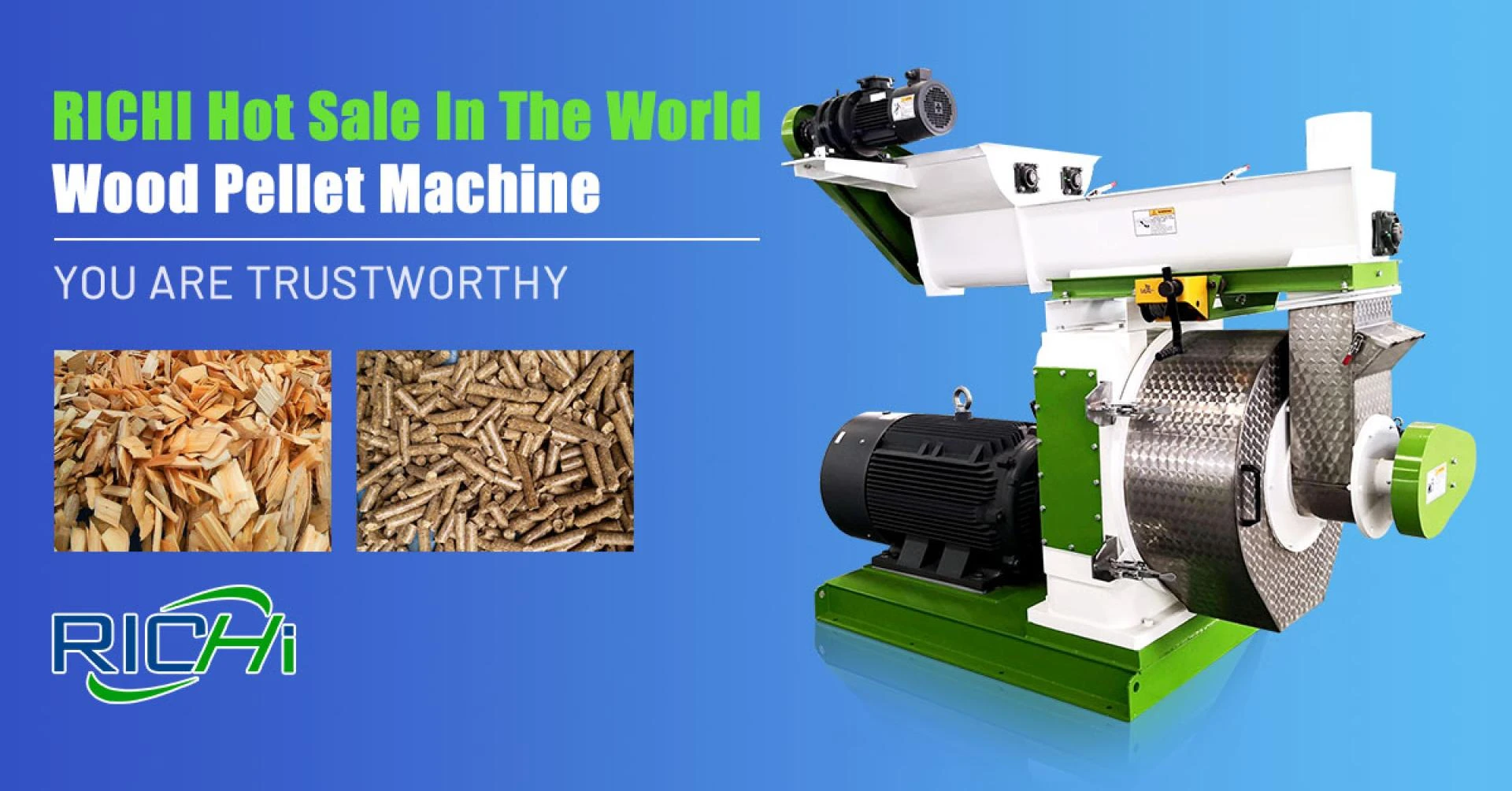
As global concerns about environment adjustment and nonrenewable fuel source reliance grow, renewable resource options are gaining energy worldwide. In Canada, among the most appealing renewable resource sources is biomass, and timber pellet makers have come to be a keystone of this activity. The need for pellet press Canada is boosting quickly as more markets, ranches, and home owners turn to biomass energy for heating, electrical energy generation, and sustainable production.
1. The Expanding Biomass Market in Canada
Canada is abundant in forestry sources, making it an excellent atmosphere for timber pellet production. Each year, countless tons of wood waste-- such as sawdust, wood chips, bark, and shavings-- are created by the lumber industry. Rather than discarding this biomass, modern-day wood pellet devices in Canada change it right into dense, energy-efficient pellets that serve as a clean-burning gas choice.
The Canadian federal government has been sustaining renewable energy efforts for years, encouraging both tiny and large financial investments in the timber pellet manufacturing field. Provinces such as British Columbia, Alberta, and Quebec are home to countless pellet production plants, a lot of which export high-grade wood pellets to Europe, Asia, and the United States.
2. Why the Demand for Wood Pellet Machines is Increasing
The rising need for timber pellet device Canada can be attributed to numerous aspects:
Ecological Sustainability: Wood pellets are carbon-neutral when sourced sensibly. Burning pellets launches just the amount of carbon monoxide ₂ absorbed by trees throughout their development, making them a lasting energy service.
Economic Benefits: The pellet industry creates tasks in country communities and generates export earnings for Canada. Buying a wood pellet machine can turn waste products into important commodities.
Energy Performance: Timber pellets have high calorific worth and low moisture web content, ensuring efficient burning and minimal emissions.
Federal Government Assistance: Tax obligation incentives and renewable energy programs encourage businesses to embrace biomass technologies. To explore more details about industrial-scale biomass equipment, visit https://richipelletizer.com/commercial-wood-pellet-mill/ for information on commercial-grade pellet mill specifications and applications.
3. Exactly How a Timber Pellet Equipment Functions
A wood pellet maker compresses powdered or shredded biomass into uniform round pellets using high pressure and temperature. The process typically consists of:
Basic Material Preparation-- Wood waste such as sawdust or chips is collected and screened to get rid of impurities.
Drying out-- The moisture content of raw materials is minimized to around 10-15%.
Pelletizing-- The dried out product is pushed via a ring die or level die inside the pellet equipment, where warm and stress form it right into pellets.
Cooling and Product packaging-- The newly made pellets are cooled down, evaluated, and bagged for transportation or storage space.
Modern timber pellet makers in Canada attribute advanced automation systems, Siemens motors, and sturdy stainless-steel elements, guaranteeing high productivity, low maintenance, and lengthy service life.
4. Applications of Timber Pellets in Canada
Timber pellets produced by these makers are extensively utilized throughout Canada for:
Residential Heating: House owners use pellet ranges and central heating boilers as cost-efficient home heating choices.
Industrial Boilers: Several industries use pellets to change coal and reduce carbon discharges.
Power Plants: Biomass power generation making use of timber pellets is expanding in Canadian provinces.
Export Market: Canada is one of the largest timber pellet merchants in the world, especially to Europe and Asia.
This convenience makes wood pellet makers crucial tools for both domestic use and commercial biomass projects. Those who are currently searching for reliable equipment can explore the latest wood pellet machine for sale models offered by RICHI Machinery, known for their efficiency and long service life in Canadian pellet production.
5. Selecting the Right Wood Pellet Device in Canada
When selecting a wood pellet device Canada, purchasers must consider:
Capacity Needs: Small farms or houses could select versions producing 300-- 500 kg/h, while industrial facilities require 2-- 10 lots per hour.
Basic Material Kind: Machines can refine sawdust, bark, straw, or agricultural deposits.
Die Kind: Ring pass away makers are excellent for large production, while flat die kinds match small procedures.
Automation Level: Completely automated systems reduce labor prices and enhance result consistency.
After-Sales Service: Neighborhood support, extra components schedule, and technological training are important for lasting operation.
Producers such as RICHI Equipment, CPM, and ANDRITZ are well-known for giving high-performance timber pellet makers appropriate for the Canadian market.
6. Financial Investment Expectation and Future Trends
The international wood pellet market is anticipated to expand considerably in the next years, and Canada goes to the forefront of this development. The mix of substantial forestry resources, federal government motivations, and strong export demand makes certain a favorable financial investment outlook.
A lot more entrepreneurs are currently investing in timber pellet production lines, acknowledging the success of transforming low-value waste into high-demand eco-friendly fuel. Advanced automation, energy-saving motors, and AI-based control systems are anticipated to shape the next generation of timber pellet devices in Canada, enhancing performance and sustainability.
7. Verdict
The keyword timber pellet device Canada stands for greater than simply tools-- it shows a nationwide shift towards renewable energy and liable source use. With plentiful basic materials, encouraging plans, and global need for biomass fuel, Canada is set to remain a leader in the timber pellet sector.
Whether for neighborhood home heating, industrial power, or global trade, purchasing a timber pellet equipment in Canada is not only a lucrative venture however also a significant payment to a greener, cleaner future. Successful international projects, such as the wood pellet plant in Romania, showcase how advanced production technology and global cooperation are driving the biomass industry forward.