Wisdom teeth are the last set of permanent teeth to develop, usually appearing between the ages of 17 and 25. While some people have enough space for these teeth to grow normally, others may experience pain, swelling, or other dental problems when the teeth become trapped beneath the gums or grow at an unusual angle.
Understanding the symptoms and potential risks of wisdom teeth can help you recognise when professional dental care may be necessary. Whether you are experiencing discomfort at the back of your mouth or preparing for a dental check-up, knowing your treatment options can help you make informed decisions about your oral health.
What Are Wisdom Teeth?
Wisdom teeth are the third molars located at the very back of the mouth. Most adults develop up to four wisdom teeth, although some people have fewer or none at all.
These teeth were more useful to our ancestors, whose diets often included harder foods that required additional chewing. Today, many people have smaller jaws, which can leave insufficient room for wisdom teeth to emerge properly.
Not every wisdom tooth needs to be removed. If the teeth grow in the correct position, remain easy to clean, and do not cause dental problems, a dentist may recommend monitoring them during routine check-ups.
Common Symptoms of Wisdom Teeth Problems
Wisdom teeth do not always cause noticeable symptoms. However, when they become impacted or partially emerge through the gums, several warning signs may develop.
1. Pain at the Back of the Mouth
Discomfort near the back molars is a common symptom. The pain may be mild initially but can become more noticeable when chewing or opening the mouth.
2. Swollen or Tender Gums
The gum tissue surrounding an emerging wisdom tooth may become red, swollen, or sensitive. When a tooth only partially erupts, bacteria and food particles can collect beneath the gum flap, increasing the risk of inflammation or infection.
3. Bad Breath or an Unpleasant Taste
Difficulty cleaning the area around wisdom teeth can allow bacteria to accumulate. This may cause persistent bad breath or an unpleasant taste, particularly if the surrounding gum tissue becomes infected.
4. Difficulty Opening the Mouth
Inflammation around an impacted wisdom tooth may cause jaw stiffness or discomfort when opening the mouth. Significant difficulty swallowing, facial swelling, or problems breathing require urgent medical assessment.
5. Swelling Around the Jaw
In some cases, infection can cause swelling around the jaw or cheek. Fever, worsening pain, or pus around the affected tooth may indicate an infection that needs prompt dental attention.
What Happens When Wisdom Teeth Are Impacted?
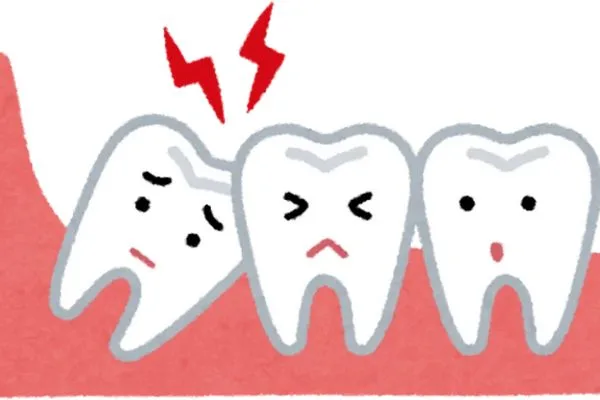
An impacted wisdom tooth is a tooth that cannot fully emerge into its normal position because of limited space, its angle, or an obstruction.
Wisdom teeth may remain completely beneath the gums or emerge only partially. Some grow sideways and press against the neighbouring molar.
Impacted wisdom teeth can increase the risk of several dental complications, including:
- Gum infections: Bacteria can collect around partially erupted teeth and cause inflammation.
- Tooth decay: Wisdom teeth and adjacent molars may be difficult to clean effectively.
- Damage to neighbouring teeth: Pressure or trapped bacteria may contribute to damage to the second molar.
- Cysts: Fluid-filled sacs can occasionally develop around an impacted tooth and may affect nearby bone or teeth.
- Recurring discomfort: Inflammation may return, particularly when the area remains difficult to clean.
An impacted tooth does not automatically require surgery. A dentist will assess its position, symptoms, and potential impact on surrounding structures before recommending an appropriate approach.
When Is Wisdom Tooth Extraction Necessary?
Wisdom tooth extraction involves removing one or more wisdom teeth when they are causing problems or are assessed to present a significant dental risk.
A dentist may recommend extraction when there is:
- Repeated inflammation or infection around the tooth.
- Extensive decay that cannot be treated effectively.
- Damage to the neighbouring molar.
- A cyst or other pathology associated with the tooth.
- Persistent pain linked to the wisdom tooth.
A position that makes effective cleaning difficult and contributes to ongoing dental problems.
If a wisdom tooth is healthy, fully erupted, functional, and easy to clean, removal may not be necessary. Regular examinations and dental X-rays, when indicated, help determine whether monitoring or treatment is more appropriate.
How Does Wisdom Tooth Extraction Work?
The procedure depends on whether the wisdom tooth has fully erupted or remains trapped beneath the gum or bone.
Step 1: Dental Examination
The dentist reviews your symptoms, examines your teeth and gums, and may take dental X-rays to assess the tooth's position and its relationship to nearby teeth and nerves.
Step 2: Anaesthesia
Local anaesthesia is commonly used to numb the treatment area. Depending on the complexity of the procedure and the patient's needs, sedation or general anaesthesia may also be considered.
Step 3: Tooth Removal
A fully erupted wisdom tooth may be removed in a manner similar to a routine tooth extraction. For an impacted tooth, the dentist or oral surgeon may need to make a small incision in the gum and remove a limited amount of bone. The tooth may be divided into smaller sections to facilitate removal.
Stitches may be used when necessary.
Step 4: Aftercare Instructions
After the procedure, the dental professional provides instructions on controlling bleeding, managing discomfort, maintaining oral hygiene, and choosing suitable foods during recovery.
Following these instructions can help reduce complications and support healing.
What Is Recovery Like After Wisdom Tooth Extraction?
Recovery varies according to the position of the tooth, the complexity of the procedure, and the individual's healing response.
Many people experience swelling, mild bleeding, jaw stiffness, and discomfort during the first few days. These symptoms generally improve gradually, although more complex surgical extractions may require additional recovery time.
To support healing:
- Choose soft foods such as yoghurt, mashed potatoes, porridge, or scrambled eggs.
- Avoid smoking and vaping, as they can interfere with healing.
- Do not use straws during the initial healing period if advised, because suction may dislodge the protective blood clot.
- Follow the dentist's instructions for brushing and rinsing your mouth.
- Take prescribed or recommended pain relief according to professional guidance.
Avoid strenuous physical activity for the period advised by your dental professional.
Contact your dentist if pain or swelling becomes worse rather than better, or if you develop fever, persistent bleeding, or signs of infection. Severe pain that increases several days after extraction may indicate dry socket, a condition in which the protective blood clot is lost or disrupted.
Are There Risks Associated With Wisdom Tooth Extraction?
Wisdom tooth extraction is a common dental procedure, but it carries potential risks like any surgery.
Possible complications include infection, bleeding, dry socket, delayed healing, and temporary jaw stiffness. Depending on the position of the tooth, there may also be a risk of injury to nearby nerves, which can cause altered sensation in the lip, chin, tongue, or surrounding area.
Most complications can be managed with appropriate dental care. Your dentist or oral surgeon should explain the risks relevant to your individual case before treatment.
How Can You Keep Your Wisdom Teeth Healthy?
Although you cannot control how wisdom teeth develop, good oral hygiene and regular dental visits can help identify problems early.
Brush twice daily with fluoride toothpaste and clean carefully around the back molars. Use interdental cleaning tools where appropriate, and attend routine dental examinations even if your wisdom teeth are not causing discomfort.
If you notice persistent pain, swollen gums, or difficulty cleaning the area, arrange a dental assessment rather than waiting for symptoms to worsen.
Conclusion
Wisdom teeth can develop without causing problems, but limited space, impaction, and difficulty cleaning the back of the mouth may lead to pain, inflammation, decay, or infection. Recognising these symptoms early makes it easier to explore suitable treatment options.
Wisdom tooth extraction may be recommended when a tooth causes recurring problems or threatens the health of nearby teeth. However, removal is not always necessary. A dental examination and appropriate imaging can help determine whether extraction or regular monitoring is the better choice for your oral health.
Frequently Asked Questions
1. At What Age Do Wisdom Teeth Usually Appear?
Wisdom teeth typically emerge between the ages of 17 and 25, although their development varies. Some people develop them earlier or later, while others never develop wisdom teeth.
2. Do All Wisdom Teeth Need to Be Removed?
No. Healthy wisdom teeth that are properly positioned, functional, and easy to clean can often remain in place. Extraction is generally considered when there are existing problems or a clear clinical reason for removal.
3. Is Wisdom Tooth Extraction Painful?
Local anaesthesia helps prevent pain during the procedure, although you may feel pressure. Some soreness, swelling, and discomfort are normal after the anaesthesia wears off and can usually be managed with appropriate pain relief.
4. How Long Does It Take to Recover From Wisdom Tooth Extraction?
Many people feel substantially better within several days, but recovery depends on the complexity of the extraction. Gum healing takes longer, and complete recovery may take several weeks in some cases.
5. What Should I Eat After Wisdom Tooth Extraction?
Soft foods such as yoghurt, porridge, mashed vegetables, scrambled eggs, and lukewarm soup are suitable options. Avoid hard, crunchy, very hot, or sharp foods that may irritate the extraction site during early healing.
6. When Should I See a Dentist About Wisdom Teeth?
Arrange a dental appointment if you experience persistent pain, swollen gums, bad breath associated with the affected area, or difficulty opening your mouth. Seek urgent care for significant facial swelling, fever with worsening symptoms, difficulty swallowing, or breathing problems.