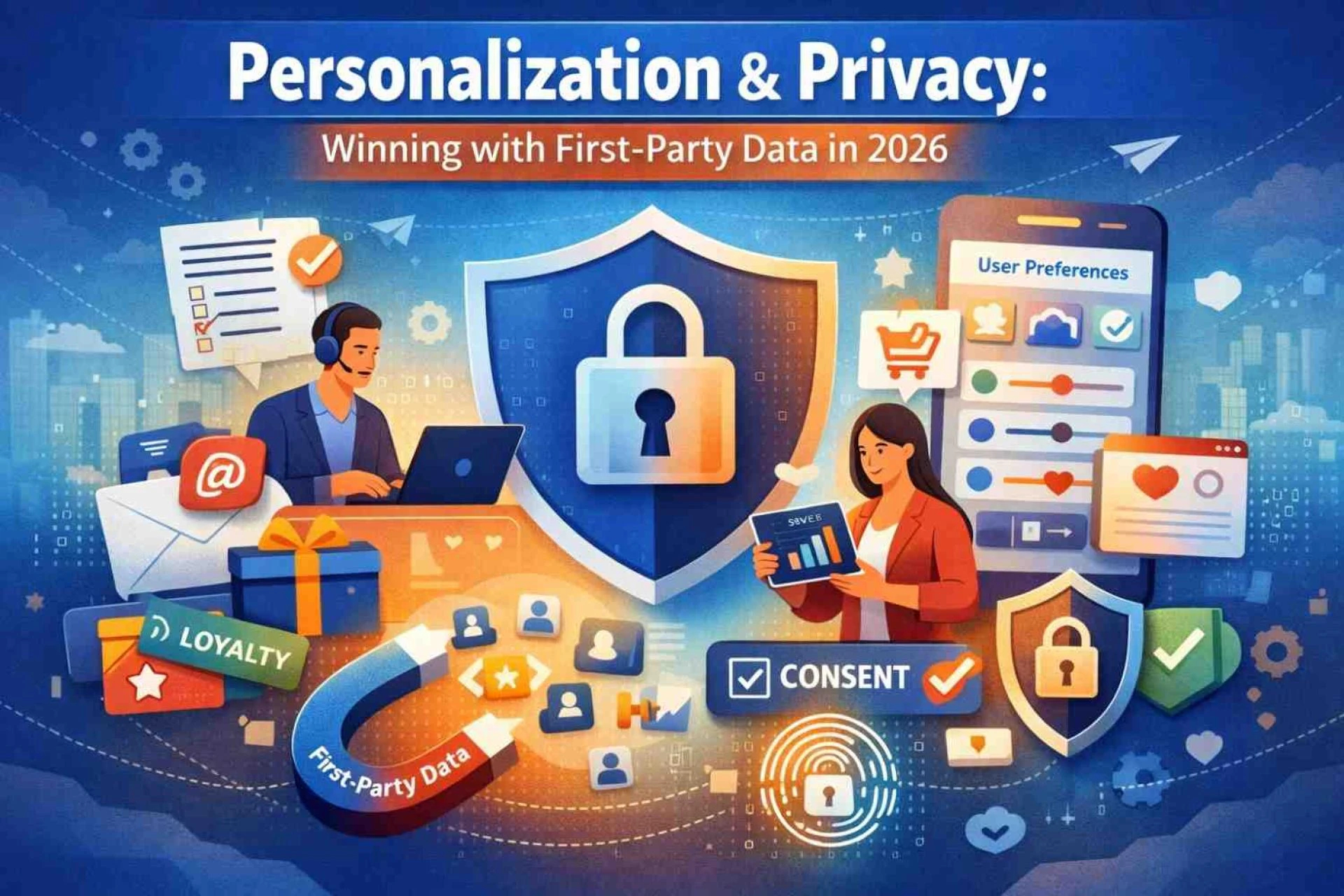
The digital marketing landscape in 2026 is driven by two powerful forces: personalization and privacy. Customers expect tailored experiences, but they also demand transparency about how their data is collected and used. As third-party cookies continue to disappear and data regulations become stricter, businesses are turning to first-party data as a reliable and ethical solution.
Brands that understand this shift are building stronger customer relationships and gaining a competitive edge.
Understanding First-Party Data
First-party data refers to the information a company collects directly from its own audience. This may include:
- Website activity and browsing patterns
- Purchase history
- Email sign-ups
- Customer inquiries
- Social media engagement
Because this data comes straight from users who interact with a brand, it is accurate and trustworthy. Unlike third-party data, it does not rely on external sources. In 2026, this makes first-party data the most valuable asset in digital marketing.
Why Privacy Is a Priority in 2026
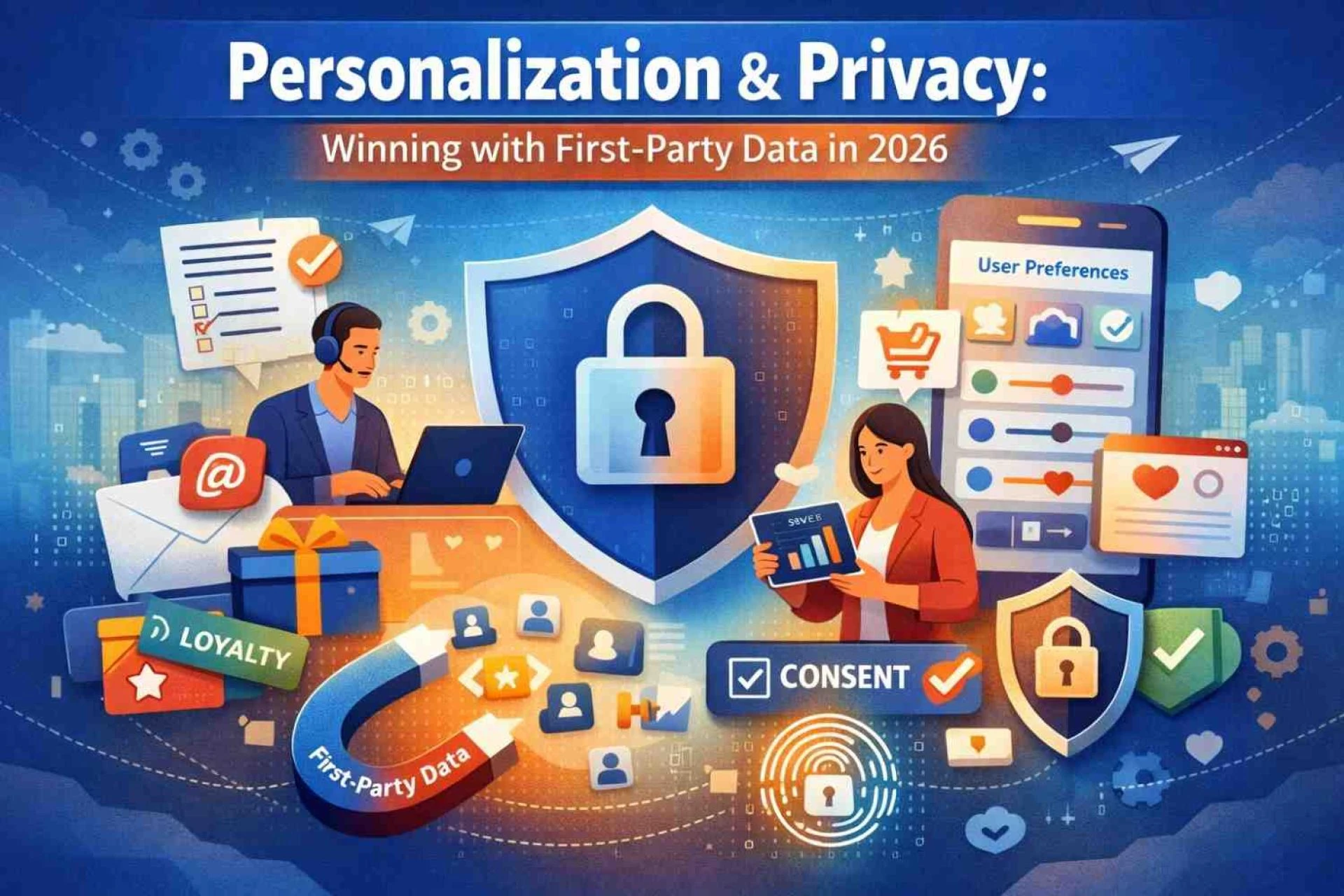
Today’s consumers are more informed about data security than ever before. They want to know how their personal information is handled and expect brands to respect their privacy.
Strict global data protection laws have made it essential for companies to follow transparent practices. A responsible Digital Marketing Company in Delhi understands that data protection is not just about legal compliance — it is about building trust.
When customers feel secure, they are more willing to share their information. That trust becomes the foundation of long-term brand loyalty.
Personalization Without Intrusion
Personalization remains one of the most powerful marketing tools. However, in 2026, it must be done carefully and ethically.
Using first-party data, businesses can:
- Deliver customized email campaigns
- Recommend relevant products or services
- Create targeted advertisements
- Improve website user experience
For example, a company offering Content writing services in Delhi can analyze which industries frequently visit their website. This allows them to create specialized landing pages and blog topics tailored to those sectors.
When personalization is based on consent and relevance, customers appreciate it rather than feeling monitored.
Smart Ways to Collect First-Party Data
Successful brands focus on collecting data through meaningful interactions. Some effective methods include:
1. Value-Driven Lead Magnets
Offering free eBooks, webinars, or industry insights encourages users to willingly share their contact details.
2. Surveys and Feedback Forms
Interactive tools help businesses understand customer preferences while improving user engagement.
3. Membership and Loyalty Programs
Reward systems motivate repeat purchases and provide deeper behavioral insights.
Organizations like Webgross Solutions implement such strategies to create transparent and mutually beneficial relationships with their audience.
The Impact on SEO and Content Strategy
First-party data is transforming search engine optimization in 2026. Instead of relying only on general keyword research, businesses now analyze user behavior to refine their strategies.
A professional SEO Agency Delhi uses analytics data to:
- Understand search intent
- Identify content gaps
- Improve page experience
- Increase conversion rates
By studying real user interactions, brands can create highly relevant and engaging content that ranks better on search engines.
The Role of Social Media Insights
Social media platforms provide direct access to audience preferences. Engagement data such as comments, shares, and saves offer valuable insights into what resonates with users.
A focused Social Media Marketing Delhi strategy leverages these insights to create content that matches audience interests. Instead of broad targeting, brands now build communities through meaningful conversations and authentic interactions.
Social media has become a two-way communication channel rather than just a promotional tool.
Balancing Trust and Technology
The key to success in 2026 is balance. Customers want relevant experiences, but they also want control over their information. Businesses must:
- Clearly explain data collection practices
- Provide opt-in and opt-out options
- Ensure strong data security systems
- Avoid over-targeting
Transparency strengthens credibility, and credibility drives conversions.
Conclusion
In a privacy-first digital world, first-party data has become the backbone of effective marketing. It allows businesses to create personalized experiences while maintaining customer trust.
From advanced SEO strategies to targeted campaigns and improved engagement, first-party data supports every aspect of digital growth. A forward-thinking Digital Marketing Company in Delhi recognizes that ethical data practices lead to long-term success.
With the expertise of Webgross Solutions, supported by professional Content writing services in Delhi, strategic Social Media Marketing Delhi, and an experienced SEO Agency Delhi, businesses can thrive in 2026 by combining personalization with privacy.
The future of marketing is not about collecting more data — it is about using the right data responsibly.