Ranthambore National Park stands as a testament to India's successful conservation history, evolving from a royal hunting ground into one of the most prolific ecosystems in the world. For travelers seeking the ultimate safari experience, staying at a best resort in ranthambore provides a front-row seat to this ancient landscape where the Aravalli and Vindhya hill ranges meet. This unique geological intersection creates a diverse habitat of dry deciduous forests, grassy meadows, and deep crags that support an astonishing array of flora and fauna. While the park is globally recognized for its healthy tiger population, the reserve is actually a complex tapestry of biodiversity, housing over 40 species of mammals, 35 species of reptiles, and 320 species of birds.
The Royal Bengal Tiger: Monarch of the Dry Deciduous Forest
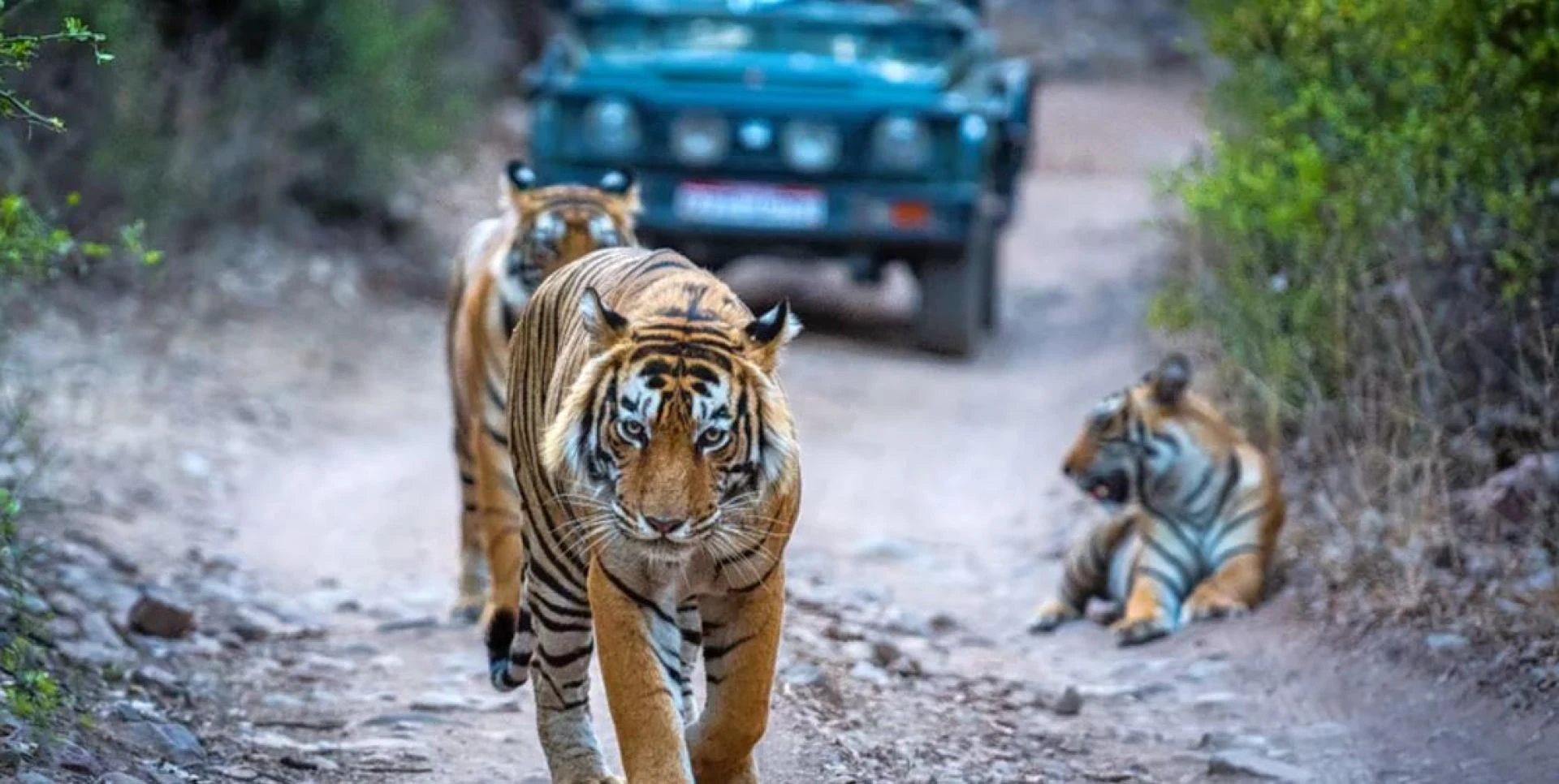
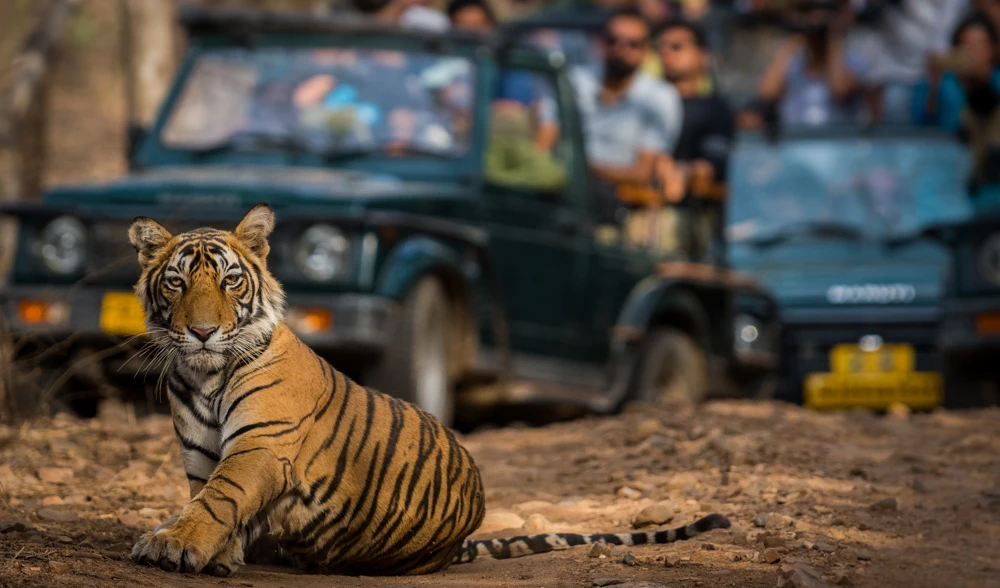
The undisputed star of the reserve is the Royal Bengal Tiger ($Panthera$ $tigris$ $tigris$). Unlike many other reserves in India, the tigers here are known for being diurnal, meaning they are frequently active during the day. This behavioral trait, combined with the sparse vegetation of the Dhok-dominated forest, makes Ranthambore one of the best places in the world for tiger sightings. Legend has it that the famous tigress "Machli" or T-16, once the most photographed tiger on earth, defined the park’s legacy. Today, their descendants roam the territory near the historic Ranthambore Fort and the three Great Lakes—Padam Talao, Malik Talao, and Raj Bagh. For those planning a romantic escape to witness these majestic cats, the Ranthambore 2N 3D Couple Package offers a curated itinerary that balances adventurous game drives with serene luxury.
Elusive Predators and the Food Chain
Beyond the tigers, the park is home to a variety of other carnivores that maintain the ecological balance. The Indian Leopard ($Panthera$ $pardus$ $fusca$) is the second largest predator here, often found in the rocky outskirts or the steeper hillsides to avoid direct competition with the tigers. The Sloth Bear ($Melursus$ $ursinus$), with its shaggy black coat and long snout, is a frequently sighted marvel, especially near termite mounds or fruiting trees. Other notable predators include:
- Striped Hyena: A nocturnal scavenger that plays a vital role in cleaning the forest floor.
- Indian Jackal: Often heard howling at dusk, these intelligent hunters are common sights across all zones.
- Caracal: One of the rarest cats in India, this medium-sized feline with tufted ears is a prized sighting for any wildlife enthusiast.
- Jungle Cat and Desert Fox: Smaller predators that thrive in the scrubland and grasslands of the buffer zones.
Herbivores of the Grasslands and Marshes
The health of Ranthambore’s predators depends entirely on its thriving herbivore population. The Sambar deer, India's largest species of deer, is often found cooling off in the lakes, sometimes submerging its entire body except for its nose and antlers to escape the heat. In the open meadows, you will encounter large herds of Chital (Spotted Deer) and the Nilgai (Blue Bull), which is India's largest antelope. The Indian Gazelle, or Chinkara, can also be spotted in the more arid, rocky patches of the reserve. These animals aren't just prey; they are an integral part of the park's rhythm, alerting the entire forest with their distinctive alarm calls whenever a tiger or leopard is on the prowl.
Avian Wonders and Aquatic Life
For birdwatchers, the wetlands of Ranthambore are a paradise. The three main lakes are bustling hubs for both resident and migratory birds. During the winter months, the park transforms into a vibrant theater of color with the arrival of Painted Storks, Spoonbills, and Sarus Cranes.
- Raptors: The Crested Serpent Eagle and the Shikra are frequently seen perched on high branches, scanning for movement.
- Owls: The Brown Fish Owl is often spotted near the water bodies at twilight.
- Aquatic Reptiles: The Marsh Crocodile (Mugger) is a common sight basking on the shores of Padam Talao. These prehistoric-looking reptiles share the water with various species of turtles and the Indian Python.
Connecting with Nature in Luxury
Exploring the rugged terrain of the reserve requires a comfortable base to recharge. Selecting a luxury resort in ranthambore ensures that your wildlife journey is complemented by world-class hospitality and expert naturalists who can interpret the subtle signs of the forest. Whether it is the rustle of leaves indicating a moving predator or the specific call of a Rufous Treepie, the expertise provided at a high-end resort enhances the overall understanding of this complex ecosystem. Ranthambore is more than just a destination; it is a living, breathing sanctuary where every species, from the smallest insect to the mighty tiger, plays a critical role in the survival of the wild.