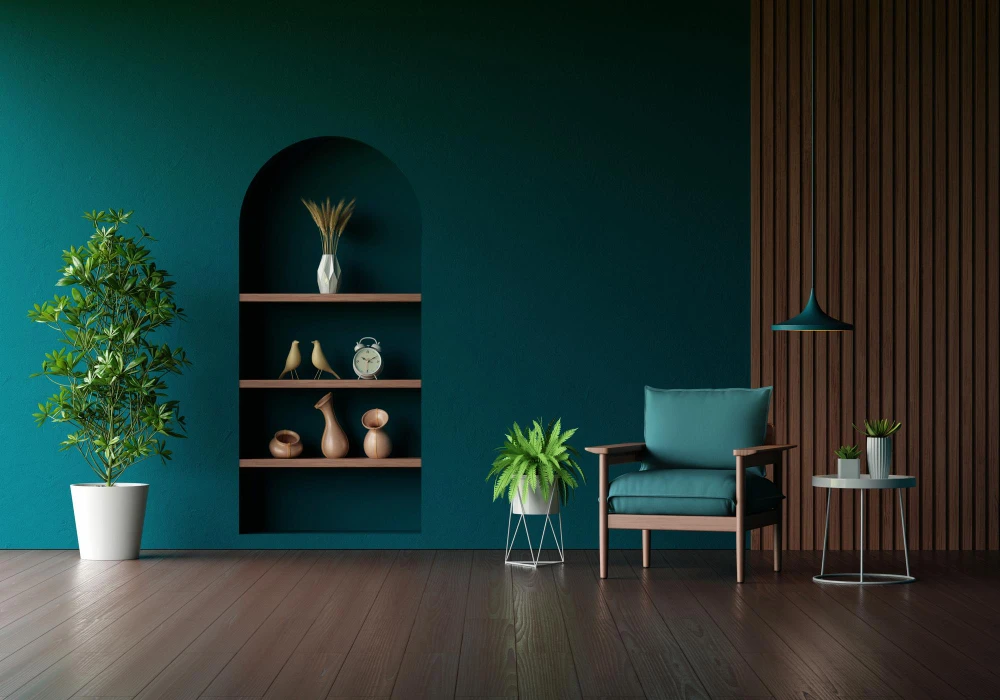
You finally step into a quiet room, ready to unwind after a long day. No buzzing notifications, no background chatter, just silence. But instead of peace, your thoughts speed up — replaying worries, lists, and random distractions. It feels like quiet should calm you, yet your mind doesn’t settle.
The truth is, silence alone isn’t always enough. Creating calm requires engaging your senses in a gentle way. That’s why small touches, like the presence of flower scented candles, often do more to ease your thoughts than quiet ever could.
Is Silence Too Loud for Your Thoughts?
When a room goes quiet, the absence of sound can make your inner dialogue sound louder. Your brain, used to constant stimulation, fills the space with mental noise. Instead of relief, silence becomes overwhelming.
Adding soft sensory anchors, like calming music or soothing fragrances, gives your mind something gentle to rest on. These subtle signals remind your nervous system that it’s safe to relax.
Could Clutter Be Feeding the Restlessness?
Even when the room is quiet, cluttered surroundings can weigh on your mind. A stack of papers on the desk or clothes on a chair serve as visual reminders of unfinished tasks.
Tidying up helps create an environment that supports rest. You don’t need to embrace minimalism fully, but clearing out small areas of clutter creates space not just in the room but also in your head. For practical guidance, explore simple decluttering methods.
How Your Breathing Shapes Your Calm?
Most of us breathe shallowly without realizing it, especially when our minds are busy. Shallow breaths keep the body on alert, making it impossible to truly unwind.
Deep, slow breathing is a natural signal to the nervous system to shift into relaxation mode. Practicing even two minutes of steady breaths can ease restlessness. Pairing this with warm lighting or gentle fragrance deepens the calm.
Is Technology Still Creating Background Stress?
Sometimes it isn’t the noise but the expectation of noise that keeps the mind restless. Even if your phone is silent, the possibility of a notification can keep your brain slightly tense.
A true break means creating distance from screens. Leaving devices outside the room, even for a short period, allows your brain to detach from the constant digital pull.
Why Scent Is a Shortcut to Peace?
Smell connects directly to the emotional center of the brain. This is why certain fragrances instantly bring comfort or calm. Lavender, chamomile, and floral aromas are especially soothing because they bypass overthinking and speak directly to mood.
Bringing calming scents into your quiet space can create an invisible layer of peace. Whether through natural candles, essential oils, or diffusers, fragrance transforms silence into serenity. You can learn more about its impact in this overview of aromatherapy benefits.
Quiet Alone Isn’t Enough
Quiet can clear the stage, but it’s the small details that build true rest. Light, scent, space, and breathing all work together to help the mind settle. When your senses are gently supported, your inner world finally slows down.
Final Thought
If your mind stays restless even in a perfectly quiet room, the answer isn’t more silence. It’s about creating an environment that nurtures every sense. Calm doesn’t come from the absence of noise but from the presence of small, soothing details that make peace possible.