
A Grim Reality for New Graduates: The 2026 Job Market Unveiled
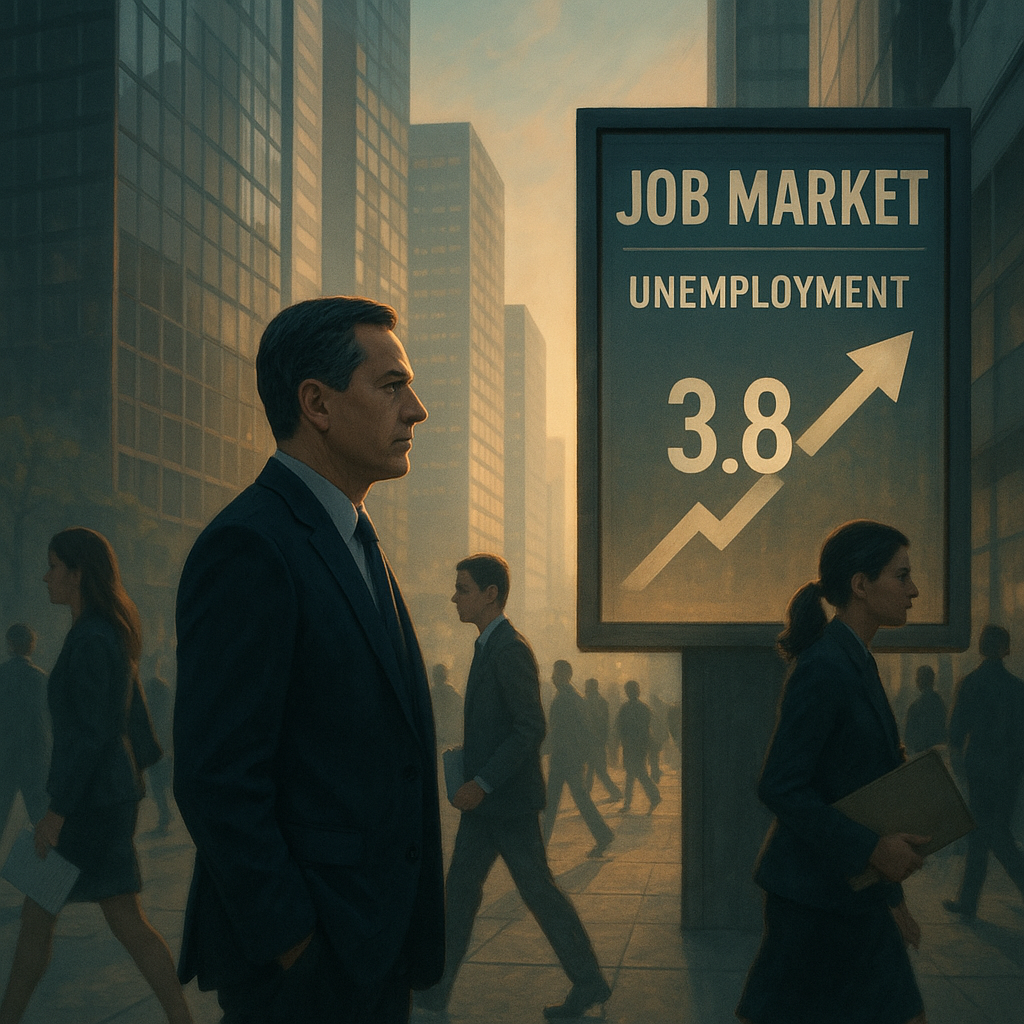
As spring 2026 unfolds, thousands of fresh graduates across the United States and beyond step out of university halls with hopes high and resumes polished. Yet, the reality greeting them is starkly unforgiving. According to recent data from the U.S. Bureau of Labor Statistics, the unemployment rate for recent college graduates aged 22 to 27 has climbed to 9.7%, the highest in over ten years. This figure eclipses the general unemployment rate hovering around 4.5%, illuminating the uniquely harsh landscape for newcomers entering the workforce.
In bustling cities like New York, Los Angeles, and Chicago, job fairs teem with hopefuls but yield fewer offers. Emma Chen, a 23-year-old marketing graduate, recounts her experience: “I’ve applied to over 70 positions in the last three months. Most companies either don’t respond or say they want candidates with three to five years of experience.” Her story is one among thousands reflecting a pervasive challenge that has left many questioning the value of their degrees.
This article examines the multifaceted causes behind this challenging labor market, the impact on young workers and the broader economy, and actionable insights for those navigating these turbulent waters.
Tracing the Roots: How Did We Get Here?
Understanding the current job market's severity requires unpacking economic, technological, and societal shifts unfolding over the last few years. The aftermath of the 2020 global pandemic initially disrupted labor markets worldwide, but recovery patterns have been uneven, disproportionately affecting entry-level positions.
Automation and artificial intelligence have accelerated adoption in sectors traditionally entry-point friendly. For example, customer service roles have been reduced by 28% in the last five years due to AI chatbots and automated call systems, according to industry estimates from the International Labour Organization. Similarly, manufacturing and retail have seen significant job contractions, eliminating many positions that young graduates once filled.
Another critical factor is the increasing credential inflation. Employers now demand higher qualifications and experience for roles that previously required only a bachelor's degree. This shift has created a paradox where graduates possess academic credentials but lack the practical experience sought after. Internships and co-op programs, once a reliable foot in the door, have become fiercely competitive and often unpaid, pricing out many candidates.
Additionally, the rise in gig economy jobs, while offering flexibility, has not translated into stable career opportunities or benefits for young workers. Many graduates find themselves in temporary, low-paying roles without prospects for advancement.
Analyzing the Data: A Market Under Strain
A deep dive into recent labor market data reveals the scale and complexity of the challenges facing young graduates. The National Association of Colleges and Employers (NACE) reported in early 2026 that only 42% of graduates secured full-time employment within six months of graduation, a drop from 58% just three years prior.
Key statistics paint a troubling picture:
- Average time-to-job for graduates has increased to 7.3 months, up from 4.9 months in 2023.
- Entry-level salaries
- Field-specific disparities are stark. STEM graduates fare better, with employment rates near 65%, while humanities and social sciences lag at under 35%.
- Geographic variation shows urban centers are oversaturated, while smaller metros report a slight uptick in opportunities.
Employers cite several reasons for cautious hiring practices: economic uncertainty due to fluctuating global markets, supply chain disruptions, and ongoing geopolitical tensions. Moreover, companies are investing heavily in technology to enhance productivity, reducing the need for junior roles.
These data points underscore the importance of strategic career planning and skill-building. For those interested, TheOmniBuzz’s article Mastering Job Market Challenges: Strategies to Stand Out and Succeed offers a thorough guide on navigating this competitive environment.
2026 Developments Shaping the Job Market
The year 2026 has brought new dynamics that compound existing difficulties. One notable trend is the rapid integration of AI-powered recruitment tools. While these systems streamline hiring, they also create barriers for candidates who cannot optimize their resumes for algorithmic screening. Industry leaders warn that the over-reliance on automated filters risks overlooking diverse talents and soft skills vital for innovative workplaces.
In response to the growing job crunch, some states have launched initiatives to bolster youth employment. Minnesota’s recent career expo, highlighted in TheOmniBuzz’s How Minnesota’s Career Expo Is Accelerating Hiring in a Cutthroat Job Market, exemplifies efforts to connect graduates directly with employers, providing workshops on resume building, interview skills, and networking.
Meanwhile, employers increasingly emphasize flexibility and hybrid roles, accommodating remote work preferences that young professionals demand. This shift is explored in detail in Why Flexibility and AI Are Redefining the 2026 Job Market, which discusses how adaptability has become a prized asset.
However, some sectors, particularly finance and healthcare, continue to report shortages, suggesting that targeted upskilling could open pathways for graduates willing to pivot. Yet, the overall picture remains sobering: entry-level roles are scarcer, competition fiercer, and employer expectations higher than ever.
Voices from the Frontline: Expert Perspectives and Industry Impact
Experts from academia, industry, and labor organizations concur that the current job market represents a structural shift rather than a short-term downturn. Dr. Samuel Ortega, a labor economist at the Brookings Institution, comments,
“Young graduates face not just cyclical unemployment but a fundamental mismatch between their skills and the evolving demands of the modern economy. This mismatch is exacerbated by technological disruption and changing corporate strategies.”
Employers also acknowledge the challenge. Sarah Patel, HR director at a Fortune 500 tech firm, explains,
“We want to bring in fresh talent, but the rigor and speed of our projects require experience that recent graduates often lack. We’re investing more in training but also seeking candidates with internships or practical exposure.”
These insights reveal a tension: the need for experience to get hired versus the need for a job to gain experience. Industry groups are advocating for expanded apprenticeship programs and stronger partnerships between universities and employers to bridge this gap.
This tension impacts not only individual graduates but the economy’s long-term vitality. The underemployment of young talent risks stalling innovation, reducing consumer spending, and exacerbating socioeconomic disparities.
Looking Ahead: What Graduates and Policymakers Must Consider
While the current job market is daunting, several strategies and policy initiatives offer hope for a more inclusive and dynamic future.
- Enhanced Career Services: Universities must expand career counseling, real-world project opportunities, and networking events to prepare students better.
- Government Incentives: Tax credits for companies hiring and training young graduates could stimulate entry-level employment.
- Focus on Skills Over Credentials: Employers should adopt competency-based hiring to recognize nontraditional qualifications and soft skills.
- Expanded Apprenticeships: Scaling apprenticeships and paid internships can provide vital experience.
- Graduate Flexibility: Graduates should consider geographic mobility, cross-sector skills, and lifelong learning to remain competitive.
For individuals, embracing continuous skill development, particularly in digital literacy and communication, is crucial. TheOmniBuzz’s 8 Proven Habits Harvard Graduates Use to Land Top Jobs Today offers actionable habits that can empower graduates to stand out despite market hurdles.
Employers and policymakers alike must recognize that investing in young talent is critical not only for social equity but also for sustaining innovation and economic growth. Failure to address these challenges risks a lost generation of workers, with profound societal consequences.
Ultimately, the 2026 job market for young graduates is a call to rethink traditional pathways, embrace new models of education-to-employment transitions, and foster collaboration across sectors. The resilience and adaptability of this generation will be tested, but with the right support structures, they can emerge stronger and more prepared for the future’s demands.