The shift to remote and hybrid work has transformed how organizations manage people, productivity, and performance. In this new workplace model, workforce management software has become a business-critical solution for streamlining operations, improving team coordination, and maintaining accountability across distributed teams. For organizations investing in digital learning and employee development, platforms like Swift eLearning Services’ TRACK WFM Software combine operational efficiency with workforce enablement, making them especially valuable for modern enterprises.
Remote teams often work across locations, time zones, and flexible schedules. Without a centralized system, managers struggle with attendance tracking, shift scheduling, leave approvals, task allocation, and performance visibility. This is where advanced workforce tools create measurable impact.
Why Do Remote and Hybrid Teams Need Workforce Management Software More Than Ever?
Remote and hybrid teams operate differently from traditional office-based teams. Communication gaps, inconsistent schedules, and lack of real-time visibility can reduce productivity if not managed properly.
A robust workforce management system helps businesses:
- automate scheduling and shift planning
- monitor attendance and working hours
- manage leave and absence requests
- assign roles and tasks efficiently
- track workforce productivity in real time
- maintain compliance with labor policies
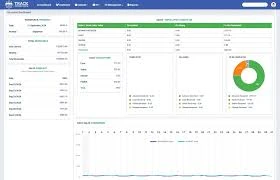
These capabilities are especially important when teams are geographically dispersed. Swift eLearning Services’ TRACK WFM software, for example, centralizes these functions into one cloud-based dashboard, improving day-to-day workforce coordination.
How Does Workforce Management Software Improve Productivity in Hybrid Work Models?
One of the biggest challenges in hybrid environments is ensuring equal productivity across in-office and remote employees.
Smart scheduling reduces downtime
Automated shift scheduling helps managers allocate resources based on workload, availability, and peak business hours. This minimizes scheduling conflicts and improves workforce utilization.
Real-time attendance tracking improves accountability
Modern workforce scheduling software provides time and attendance tracking with automated logs, reducing manual reporting errors.
Task visibility keeps teams aligned
With centralized task coordination, managers can monitor assignments, deadlines, and completion status without relying on scattered communication channels.
These features directly improve operational efficiency and help businesses maintain performance consistency across all work modes.
Can Workforce Management Software Help Reduce Administrative Work?
Absolutely. One of the strongest advantages of workforce automation software is the reduction of repetitive HR and operations tasks.
Manual processes such as:
- roster planning
- timesheet reconciliation
- payroll coordination
- leave approvals
- report generation
can consume hours every week.
Automation significantly reduces this burden.
Swift eLearning Services’ TRACK WFM platform includes payroll workflows, payslip automation, work order generation, reporting, and staff roster management, allowing HR and operations teams to focus on strategic decision-making instead of repetitive administration.
Why Is Cloud-Based Workforce Management Essential for Distributed Teams?
Cloud-based systems are especially valuable for remote and hybrid organizations because they provide anytime, anywhere access.
Employees can:
- check schedules
- update attendance
- submit leave requests
- access task notifications
- coordinate with supervisors
from any device.
Managers gain instant visibility into workforce operations without needing on-premise systems.
This flexibility is critical for organizations managing remote employees, field teams, or multi-location workforces.
TRACK WFM’s cloud-based infrastructure supports seamless coordination and centralized data management, which is essential for scaling remote operations efficiently.
How Does Workforce Management Software Support Employee Experience?
A strong employee experience directly influences retention, engagement, and performance.
Remote teams often face challenges such as:
- unclear work expectations
- inconsistent communication
- scheduling confusion
- delayed approvals
- lack of transparency
A well-designed workforce management solution improves the employee experience by creating clarity and structure.
Features such as:
- self-service dashboards
- instant notifications
- transparent scheduling
- quick leave approvals
- clear task ownership
make employees feel more connected and supported.
For hybrid teams, this operational transparency becomes a major driver of engagement and trust.
Is Workforce Management Software Important for Compliance and Reporting?
Yes, compliance is one of the most overlooked yet essential benefits.
Remote and hybrid teams still need adherence to:
- labor laws
- overtime regulations
- attendance policies
- payroll accuracy
- audit-ready documentation
Manual compliance tracking is highly error-prone.
Advanced workforce software automates records, maintains logs, and generates reports that support audits and legal compliance.
Swift eLearning Services’ solution includes advanced reporting, payment management, payslip workflows, and financial insights dashboards, which help organizations stay compliant while improving reporting accuracy.
How Does Workforce Management Software Align With eLearning and Workforce Development?
For a professional eLearning audience, this is where the topic becomes even more relevant.
Learning and workforce performance are deeply connected.
When organizations combine workforce systems with eLearning platforms, they can:
- schedule training shifts efficiently
- track course completion by department
- align learning with performance goals
- improve onboarding for remote hires
- manage compliance training deadlines
This creates a stronger learning ecosystem.
Swift eLearning Services, with its expertise in eLearning and workforce software, is positioned well for organizations looking to integrate operational management with employee learning journeys.
Final Thoughts: Why Businesses Can’t Ignore Workforce Management Software
As remote and hybrid work becomes the standard rather than the exception, organizations need systems that support flexibility without sacrificing efficiency.
Workforce management software is no longer optional.
It is essential for:
- productivity
- employee accountability
- operational visibility
- compliance
- scheduling accuracy
- workforce development
For businesses aiming to future-proof remote operations, solutions like Swift eLearning Services’ TRACK WFM Software offer a scalable and professional framework to manage teams smarter.