When I first set foot in Hunza Valley, it hit me immediately this wasn’t just a place to visit, it was a place to slow down, breathe, and let the mountains do their work. Travelers often overlook how much the right accommodation can shape an entire trip, and that’s where a Hunza nature resort changes everything.
It’s not just about a roof over your head; it’s about waking up to jagged peaks, breathing in crisp air that feels like it resets your lungs, and watching the sun set over terraced orchards while you sip local apricot juice.
Hunza travel isn’t a checklist of monuments or Instagram spots; it’s a sensory experience, and Lodges by Baron are designed to immerse you in that. In my years of traveling through Pakistan’s northern regions, I’ve seen resorts that claim to offer “nature experiences” but deliver little more than a comfy bed.
The ones that genuinely impress combine location, comfort, and local culture seamlessly. Staying at a Hunza nature resort is more than a night’s rest it’s a gateway to the valley itself, and once you’ve experienced that, it’s hard to go back to ordinary hotels.
Stunning Natural Beauty
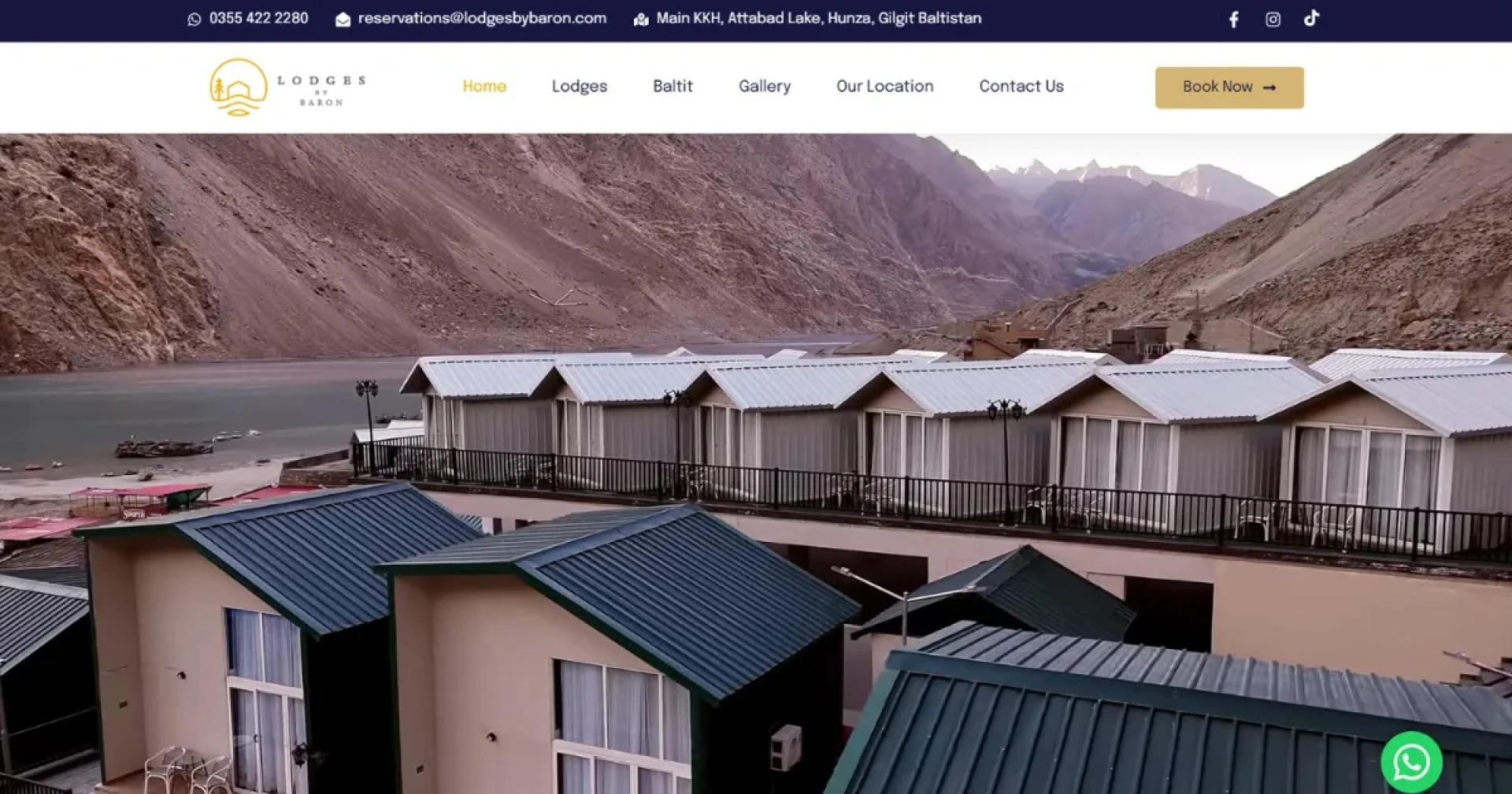
If you’ve ever wondered what it feels like to sleep with the mountains as your backdrop, a Hunza nature resort delivers in full force. From the snow-capped peaks of Rakaposhi and Ultar Sar to the shimmering waters of Attabad Lake, the scenery here is impossible to capture fully in photos. I’ve spent hours just sitting by my balcony, watching morning mist curl around apricot orchards, and realized that resorts in Hunza aren’t just located near nature they are framed by it.
The architects here understand the value of sightlines. Large windows, rooftop terraces, and outdoor seating are all strategically positioned to make sure every glance outside is a postcard moment. In practical terms, it means that even a casual breakfast can feel like a highlight of the day. And unlike more commercialized mountain destinations, you rarely feel like you’re in a crowded tourist zone; the resorts are scattered enough to preserve privacy, yet close enough to explore local villages. For anyone who travels primarily for scenery, these resorts offer a front-row seat to some of Pakistan’s most breathtaking landscapes.
Tranquility & Peace
If you’ve ever spent a week in a noisy city hotel and wondered why you paid extra for “quiet,” you’ll understand immediately why peaceful resorts Hunza are a draw. The valley itself imposes a slower pace roads wind, rivers murmur, and life moves on human terms rather than clocks. Staying in a nature resort here amplifies that sense of calm.
In my experience, the biggest mistake travelers make is underestimating just how restorative a few days of genuine quiet can be. Phones often lose signal, early morning birdsongs replace car horns, and nights are filled with stars rather than neon lights. Even for travelers who love adventure, having a base that genuinely lets you unplug makes the rest of the trip more enjoyable. The peace isn’t just about sound; it’s about mindset. You arrive with stress and leave with perspective.
Unique Hospitality & Culture
Hunza’s hospitality is another reason travelers keep coming back. Most resorts are family-owned or deeply tied to local communities, which means your stay often comes with personal touches you won’t find in chain hotels. Breakfasts are frequently homemade think walnut bread, apricot jam, and butter churned that morning. Staff will chat with you about local traditions or help arrange a village walk.
I’ve seen tourists try to experience “Hunza culture” by rushing through museums or bazaars, but nothing compares to sitting in a guesthouse courtyard while locals prepare a traditional meal. Resorts here serve as both comfortable bases and cultural connectors. You learn more about Hunza in a few evenings at a thoughtful nature resort than in a week of sightseeing elsewhere. And the best part? These experiences feel natural, not staged for tourists.
Activities Nearby
The valley is packed with things to do in Hunza, and staying at a well-situated nature resort makes it effortless. Hiking trails often start right at the doorstep, lakes are just a short drive away, and photography opportunities abound at every turn. I’ve spent mornings chasing mist over Baltit Fort and afternoons kayaking on Attabad Lake, returning to the resort by sunset with minimal hassle.
Practical tip: choose a resort that provides guidance rather than a rigid itinerary. Some of the best experiences I’ve had were on walks suggested casually by staff or neighbors. You might stumble upon an apricot orchard ready for picking or a viewpoint barely on the map experiences that no brochure can promise. For adventure seekers, Hunza nature resorts double as strategic bases for both organized excursions and spontaneous exploration.
Comfort Meets Nature
What makes these resorts really stand out is the balance between comfort and immersion in nature. Rooms aren’t just functional; they are designed to harmonize with the environment. Wooden interiors, stone accents, and large windows make you feel connected to the outdoors even when you’re inside. Modern amenities like heating, hot showers, and reliable Wi-Fi exist without overshadowing the rustic charm.
In practical terms, this means you can enjoy the valley without roughing it. I’ve seen travelers shocked when their “mountain retreat Hunza” had both a cozy fireplace and a balcony overlooking a glacier it’s the best of both worlds. You sleep soundly, wake up refreshed, and are ready for whatever the day holds.
Best Seasons to Visit
Hunza’s appeal changes dramatically with the seasons, and timing your trip can shape your experience. Spring and early summer (April–June) bring blooming apricot orchards and milder weather, perfect for photography and hiking. Late summer offers warmer days and abundant fruit harvests, while autumn turns the valley into a palette of gold, red, and orange ideal for landscape lovers. Winters are cold, but snow-covered peaks create a serene, almost magical atmosphere for travelers who don’t mind bundling up.
In my experience, the busiest times are mid-summer, so if you want true tranquility, aim for spring or early autumn. Resorts are less crowded, and the valley feels more intimate. No matter when you go, choosing the right season helps you sync with the rhythm of Hunza, rather than battling weather or crowds.
Traveler Insights
Most travelers I meet in Hunza share similar stories: mornings on terraces with endless mountain views, friendly conversations over apricot tea, and spontaneous adventures into villages. One couple I know went in search of a hidden waterfall and ended up invited into a local family’s home for lunch an experience they still rave about. Another solo traveler mentioned that the quiet nights allowed her to read, reflect, and plan her hikes without the usual city distractions.
What’s common across experiences is that the right resort doesn’t just provide a stay; it frames memories that feel personal, authentic, and deeply connected to the valley.
Conclusion
After spending time in Hunza, it becomes clear that the appeal of a Hunza nature resort isn’t just about beautiful scenery it’s about how the entire experience reshapes the way you travel. In many destinations, hotels are simply places where you sleep between activities. In Hunza, the resort itself becomes part of the experience. You wake up with the mountains in full view, spend slow mornings watching sunlight move across the valley, and end your day under some of the clearest night skies you’ll ever see.In my experience, travelers fall in love with these places because they strike a rare balance. They provide comfort without disconnecting you from nature.
You get hot showers, warm rooms, and good food, but you’re still surrounded by orchards, peaks, rivers, and village life. That balance is what turns a simple stay into a true mountain retreat Hunza experience rather than just another hotel booking.Another reason people keep returning is the human side of the valley. The warmth of Hunza culture, the slower pace of daily life, and the openness of local communities make visitors feel less like tourists and more like guests. Resorts often act as the bridge between travelers and the valley helping people discover local viewpoints, introducing them to traditional food, or suggesting quiet walks that don’t appear in travel guides.
FAQS
What makes Hunza nature resorts different from regular hotels?
The biggest difference between a Hunza nature resort and a regular hotel is the way the entire property is designed around the landscape. Most resorts here aren’t built like city hotels with tall buildings and enclosed spaces. Instead, they are spread across terraces or hillsides so guests can enjoy uninterrupted views of the valley. Rooms usually have large windows, balconies, or outdoor seating areas because the scenery is considered part of the experience. In many places, you can literally watch the sunrise over the mountains from your bed or drink tea while looking across orchards and glaciers.
Another important difference is the atmosphere. Regular hotels often feel transactional, but resorts in Hunza tend to feel more personal. Many are family-run or locally managed, which means guests interact more with the people who live in the valley. Staff often share practical travel advice, help arrange small excursions, or introduce guests to local food and traditions. That combination of scenery, slower pace, and personal hospitality is what makes staying in a Hunza resort feel more like a mountain retreat than just accommodation.
Are Hunza resorts suitable for families or only couples?
Hunza resorts are actually quite versatile and work well for different types of travelers. Couples often choose them because the scenery naturally creates a romantic setting quiet evenings, mountain sunsets, and peaceful surroundings. But families also tend to enjoy these resorts because the environment is safe, spacious, and filled with outdoor activities. Many properties have open gardens, terraces, or small walking paths where children can explore while parents relax.
In my experience, the key is choosing a resort that offers flexibility. Families often appreciate larger rooms, family suites, or cottages where everyone has space to relax after a day of exploring. Since most things to do in Hunza involve nature like easy hikes, lake visits, or cultural sites the destination itself works well for travelers of all ages. Resorts simply provide a comfortable base where both kids and adults can enjoy the valley without feeling rushed.
What activities can I do while staying at a Hunza resort?
One of the advantages of staying in a Hunza nature resort is that many activities begin right outside your door. Morning walks through orchards, short hikes to nearby viewpoints, or photography sessions at sunrise are common ways travelers start their day. The valley is known for dramatic landscapes, so even simple activities like exploring local villages or sitting beside a mountain stream can become memorable parts of the trip.
Beyond that, there are several popular attractions within easy reach of most resorts. Visitors often explore Attabad Lake, visit historic forts like Baltit or Altit, hike along mountain trails, or take day trips to scenic passes and glaciers. Good resorts usually help arrange transportation or recommend lesser-known spots that typical travel guides overlook. That insider knowledge often leads travelers to quieter viewpoints, hidden trails, or cultural experiences that make the trip feel far more authentic.
How do I choose the best season for my visit?
The best time to visit Hunza really depends on what kind of experience you want. Spring, usually from April to early June, is famous for blooming apricot and cherry blossoms that transform the valley into a sea of pink and white. Summer is warmer and ideal for hiking, road trips, and longer outdoor adventures, which is why it’s also the busiest season for tourism. During this time, the valley feels lively, and most activities are fully accessible.
Autumn is another favorite season for many experienced travelers. From late September through October, the orchards and hillsides turn golden and red, creating some of the most photogenic landscapes in northern Pakistan. Winter is quieter and much colder, but the snow-covered mountains create a peaceful atmosphere that appeals to travelers who prefer solitude. Each season shows a different side of Hunza scenery, so choosing the right time depends on whether you prefer flowers, adventure, fall colors, or snowy tranquility.
Are these resorts expensive compared to regular accommodations?
Prices for resorts in Hunza vary quite a bit depending on the location, view, and level of comfort offered. Some small guesthouse-style resorts are fairly affordable, while higher-end properties with premium views and larger rooms can cost more. However, the value often comes from what you get beyond the room itself. Many resorts provide spectacular scenery, home-cooked meals, personalized service, and easy access to nearby attractions, which significantly enhances the overall travel experience.
In practical terms, travelers often find that spending a little more on a good resort makes the trip far more enjoyable. A room with a great balcony view, a peaceful garden, or easy access to trails can completely change how you experience the valley. Since Hunza travel is usually about slowing down and appreciating the landscape, the right place to stay becomes part of the destination rather than just a place to sleep.