
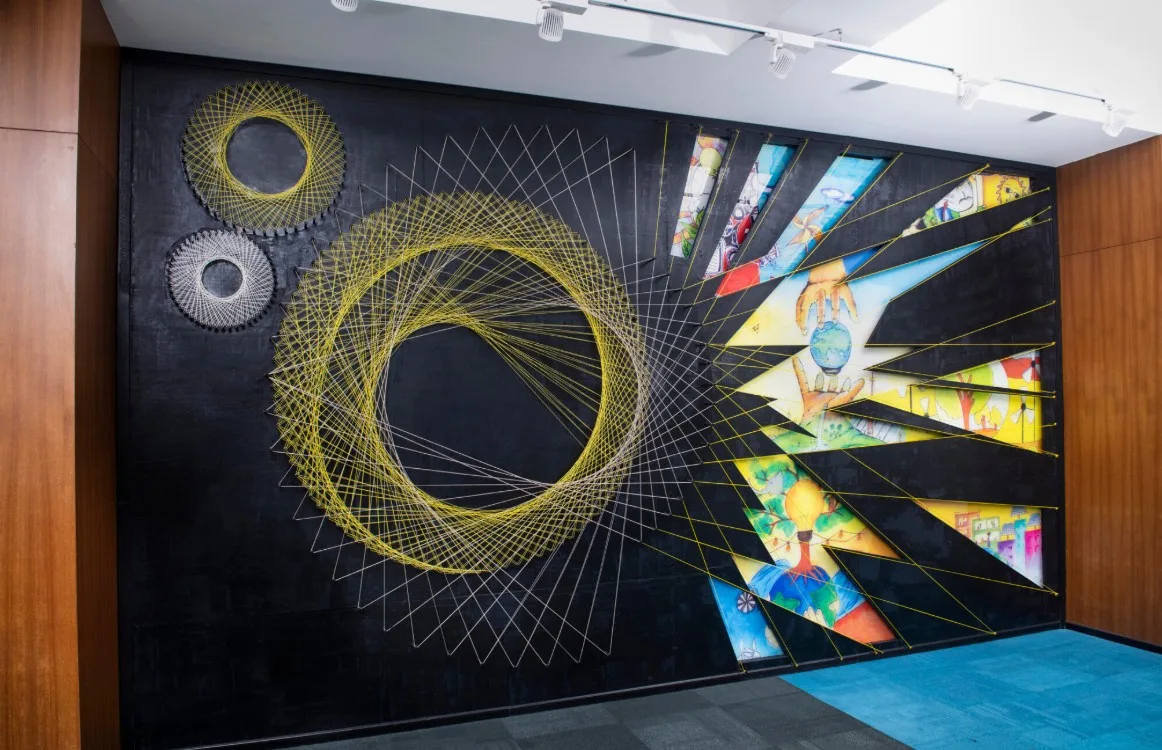
Investing in a thoughtfully designed workspace is no longer a luxury, it’s a strategic decision that directly impacts brand perception, employee productivity, and client experience. As organizations evolve, so do their spatial needs. A well-designed office is not just about aesthetics; it’s about functionality, storytelling, and adaptability. Before you take the leap, it’s important to understand what truly goes into creating a space that reflects your business goals.
When planning for bespoke corporate design, businesses often underestimate the level of customization and strategic thinking involved. Unlike generic interiors, bespoke solutions are tailored to your brand identity, workflows, and future scalability. This makes it essential to approach the process with clarity and foresight.
Essential Factors to Consider Before Investing in Bespoke Corporate Design
1. Define Your Brand Identity Clearly
Your office should be a physical extension of your brand. From color palettes to materials and spatial layouts, every element must communicate your company’s values and culture. Before investing, ensure you have a well-defined brand narrative that can be translated into design.
2. Understand Functional Requirements
A visually appealing office that fails operationally can hinder productivity. Consider how different teams interact, the need for collaborative versus quiet spaces, and the integration of technology. Mapping out daily workflows helps designers create spaces that are both efficient and intuitive.
3. Budget Beyond Aesthetics
Bespoke design often involves custom furniture, materials, and installations. While it may require a higher initial investment, it offers long-term value. Factor in not just design and execution costs, but also maintenance, upgrades, and potential future expansions.
4. Prioritize Employee Experience
A workspace should enhance comfort, well-being, and engagement. Elements like ergonomic furniture, natural lighting, acoustic planning, and breakout zones play a crucial role. Investing in employee-centric design can improve retention and overall workplace satisfaction.
5. Flexibility and Scalability
Business needs change over time. Your office should be able to adapt without requiring a complete overhaul. Modular furniture, flexible layouts, and multi-purpose zones ensure your space evolves with your organization.
6. Technology Integration
Modern offices rely heavily on seamless technology. From smart meeting rooms to integrated communication systems, ensure your design accommodates current and future tech requirements without clutter or inefficiency.
7. Compliance and Sustainability
Adhering to building regulations, safety norms, and sustainability standards is critical. Opt for eco-friendly materials and energy-efficient solutions wherever possible. Sustainable design not only reduces environmental impact but also enhances brand reputation.
8. Choose the Right Design Partner
The success of your project largely depends on the expertise of your design team. Look for professionals who understand your industry, ask the right questions, and offer strategic insights, not just visual concepts.
Final Thoughts
Investing in bespoke corporate design is a long-term commitment that goes beyond creating a visually appealing office. It’s about building a space that supports your business objectives, reflects your identity, and enhances everyday experiences for employees and clients alike. By considering these factors upfront, you can ensure that your investment delivers both functional and strategic value.