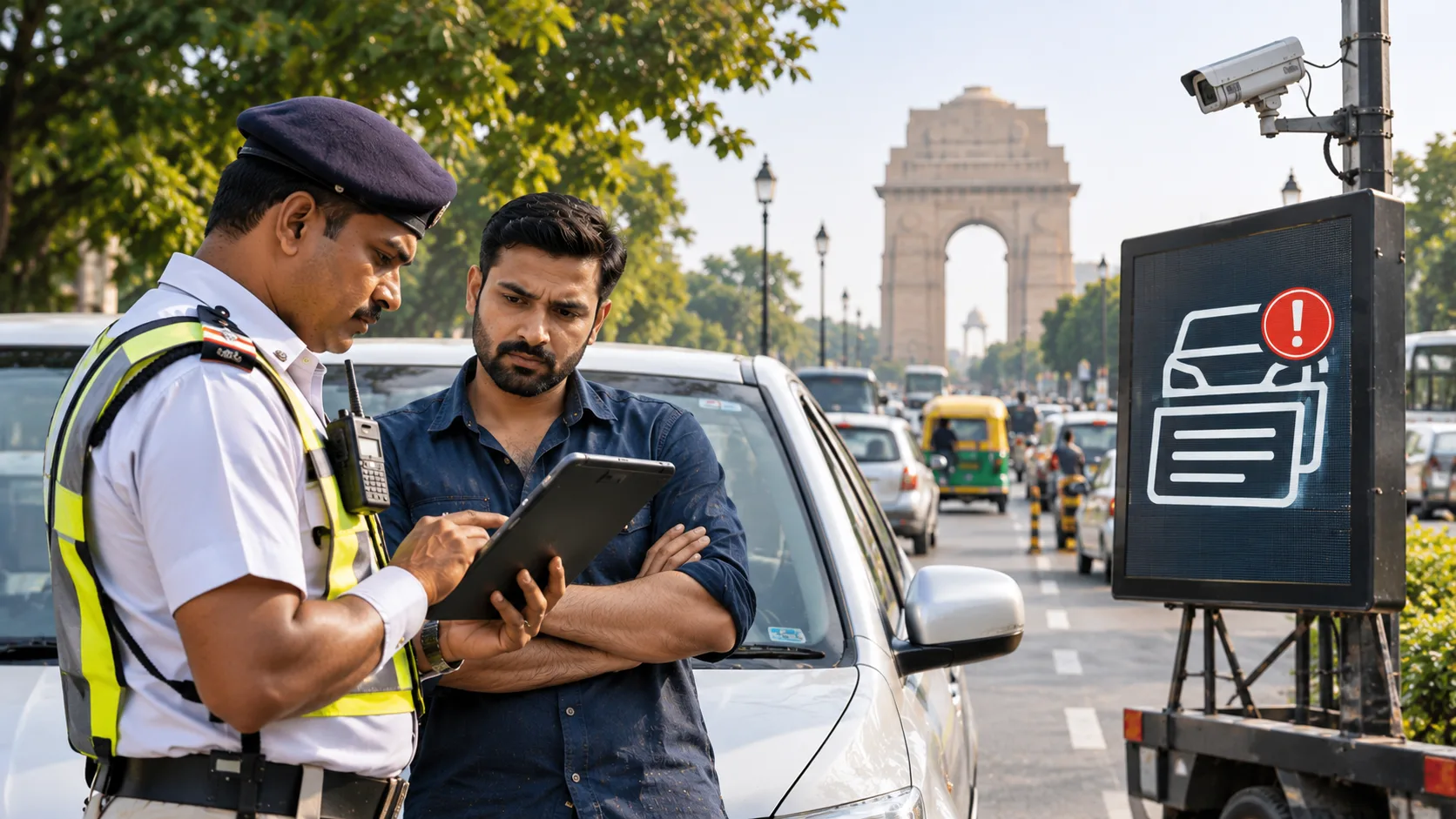
A sign is useful only when a road user can notice it, understand it and respond in time. Excessive wording, inconsistent placement or visual clutter can reduce its effectiveness. The issue deserves attention because everyday mobility is shaped by a chain of small decisions: how space is allocated, how information is shared, how people behave and how public systems respond when conditions change. A practical approach looks beyond one road user or one journey and considers the wider environment.
Why this issue deserves a wider view
The discussion around road signage and wayfinding is often narrowed to individual behaviour. Personal choices matter, but they take place within a system shaped by street design, service quality, workplace expectations and public administration. Road engineers, contractors and maintenance teams can influence different parts of that system, so collaboration is more effective than expecting one group to solve everything.
The responsibilities of each stakeholder
Public agencies can establish standards, provide infrastructure and enforce applicable rules. Businesses can plan operations responsibly, maintain equipment and train staff. Individuals can follow instructions, report hazards and make considerate choices. Clear boundaries between these responsibilities reduce confusion and make it easier to hold the right party accountable.
Turning principles into action
Practical steps include use consistent standards, place signs where decisions are made, remove obsolete signs, maintain visibility and test comprehension with actual users. These measures should be adapted to local conditions rather than copied without review. A busy commercial district, a residential street and a highway corridor may require different arrangements even when the underlying issue is similar.
Technology: useful, but not sufficient
Digital tools can support reporting, monitoring and communication, but they cannot replace sound design or human judgement. Any technology used in connection with road signage and wayfinding should have a defined purpose, reliable information and appropriate safeguards for personal data. Users also need a non-digital route when technology is unavailable.
Building trust over time
People are more likely to cooperate when rules are consistent and decisions are explained. Publish service standards, respond to reports and share what has changed. Trust grows when the public can see that feedback leads to action and that the same expectations apply fairly across the community.
What readers and organisations can do next
Readers can begin by identifying one recurring issue in their own travel or operating environment and documenting it clearly. Note the location, time, people affected and the practical consequence. Organisations can use that information to prioritise improvements, consult relevant stakeholders and communicate a realistic response. The objective is not to create more paperwork; it is to make the next journey safer, clearer or more predictable.
Conclusion
Effective signage is a communication system. It should reduce uncertainty rather than add another task to an already demanding driving environment. Regular audits help ensure that signs remain relevant, visible and consistent. For people managing vehicle and transport responsibilities, accurate records and timely action remain important alongside wider mobility improvements. Lawyered can help users understand relevant legal questions and responsibilities; ChallanPay provides an online route for checking traffic challan-related information and accessing related assistance; and LOTS247 Sarathi supports users with transport-related processes and documentation. Used appropriately, these services can complement informed decisions and more responsible mobility practices.