
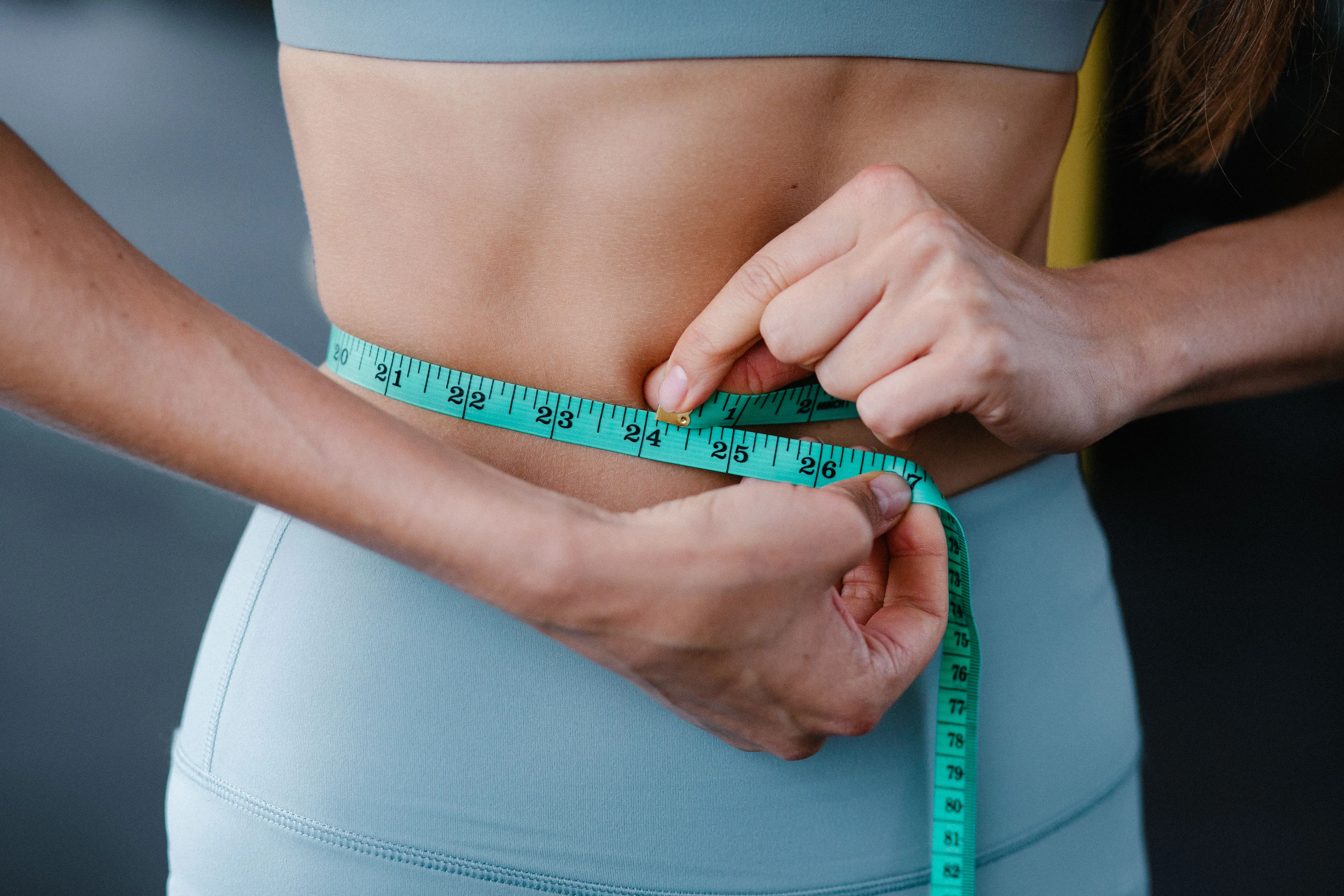
The number on the scale can mislead you. Two people can lose the same twenty pounds and end up in very different places, depending on how much of that loss came from fat and how much came from muscle. Lose too much muscle, and you can finish a diet lighter but weaker, with a slower metabolism and a higher chance of regaining the weight. After about age 40, that risk climbs every year.
That is why strength training belongs in any serious weight loss plan, and why a few supplements are worth knowing about while most of the shelf isn't.
Muscle Loss Starts Earlier Than Most People Think
Adults begin losing muscle gradually in their 30s, and the pace picks up after 60. Researchers often estimate the loss at about 3 to 8 percent per decade after age 30, though it varies widely with activity level and genetics. Left unchecked, it can progress to sarcopenia, an age-related loss of muscle mass and strength that affects balance, mobility, and independence.
You won't notice it from one year to the next. Over a decade or two, it shows up as stairs that feel harder, grocery bags that seem heavier, and a body composition that shifts toward fat even when your weight barely moves.
What Muscle Does for Your Metabolism
Muscle is often described as a calorie-burning engine. That is true but overstated. A pound of muscle uses more energy at rest than a pound of fat, but the difference amounts to a modest number of calories a day, not the dramatic boost fitness marketing implies.
Muscle's bigger contribution is how it handles blood sugar. Skeletal muscle absorbs most of the glucose your body clears after a meal, so more muscle generally means better insulin sensitivity. Strength training also supports bone density, which matters more as estrogen declines in women after menopause, and it improves balance, lowering the risk of the falls that become more dangerous with age.
Why This Matters During Weight Loss
When people cut calories, especially quickly, the body breaks down muscle along with fat. Studies of rapid weight loss have found that lean tissue can account for a quarter or more of the total weight lost. That includes weight loss supported by prescription medications that suppress appetite, where eating very little makes it easy to fall short on protein without realizing it.
Resistance training tells your body the muscle is still needed. Pair it with enough protein and a far larger share of what you lose comes from fat.
How to Start Without Overdoing It
The CDC recommends that adults do muscle-strengthening activity on at least two days a week, working all the major muscle groups: legs, hips, back, abdomen, chest, shoulders, and arms. You don't need a gym membership to meet that. Body-weight exercises, resistance bands, dumbbells at home, and machines all count.
Start lighter than you think you need to. Choose a weight you can lift with good form for about 8 to 12 repetitions, where the last couple feel genuinely hard. When that gets easy, add a little resistance. This gradual increase, called progressive overload, is what drives results, and it matters more than any specific routine.
If you have joint problems, osteoporosis, heart disease, or haven't exercised in years, talk with your provider first. A few sessions with a qualified trainer can teach you proper form and pay for themselves in avoided injuries.
Protein Comes Before Any Supplement
No supplement can make up for a diet low in protein. The standard recommendation of 0.8 grams per kilogram of body weight was set to prevent deficiency, not to preserve muscle in aging adults who are losing weight. Many researchers suggest older adults aim higher, often 1.0 to 1.2 grams per kilogram, and some people need more. Spreading protein across your meals tends to work better than packing it into dinner.
Eggs, Greek yogurt, cottage cheese, fish, poultry, lean meats, tofu, lentils, and beans all help. Your ideal target depends on your kidney function and overall health, so set it with your provider.
Supplements With Real Evidence Behind Them
Protein powder
It's food in a convenient form. A whey or plant-based shake makes your daily target much easier to hit when appetite is low or mornings are rushed.
Creatine monohydrate
This is one of the most thoroughly studied supplements available. Combined with resistance training, it has repeatedly been shown to improve strength and help preserve lean mass, including in older adults. Most studies use 3 to 5 grams a day. It can cause a small rise in water weight, so don't panic if the scale moves up a pound or two at first. Anyone with kidney disease should check with a doctor before taking it.
Vitamin D
Many adults run low, particularly in northern states like Maine, where winter sunlight is too weak for the skin to make much of it. Vitamin D supports bone health and muscle function. Because it is fat-soluble and can build up in the body, get your level tested rather than guessing at a high dose.
Fiber
A psyllium or similar supplement adds fullness and keeps digestion regular, which helps when you eat less overall. Start with a small amount and drink plenty of water with it.
Vitamin B12
Absorption declines with age and with some common medications, including metformin and acid reducers. A simple blood test will show whether you need it.
What to Leave on the Shelf
Be skeptical of anything sold as a fat burner, metabolism booster, or rapid weight loss formula. These products often rely on high doses of stimulants, hide their ingredients in proprietary blends, or promise results no supplement can deliver. The FDA has repeatedly found weight loss supplements containing hidden prescription drug ingredients that were never listed on the label.
Supplements don't go through FDA review for safety or effectiveness before they're sold. Look for third-party testing seals such as USP Verified or NSF Certified, which confirm that a product contains what its label claims. Tell your provider about everything you take, since even ordinary supplements can interact with prescriptions.
The Ultimate Weight Loss Program
The combination that protects your results is unglamorous: lift something heavy two or three times a week, eat enough protein, and use a short list of evidence-backed supplements to fill specific gaps. Weight loss under medical supervision makes this easier to get right because your provider can track body composition and lab work, not just weight. If you're considering a medically supervised weight loss program in Augusta, Maine, ask how the plan protects muscle, not only how many pounds you can expect to lose.
Done well, weight loss leaves you lighter and still strong enough at 70 to carry your own groceries, climb the stairs, and get up off the floor without thinking twice.