Sugary Drinks Sneak Up on Kids’ Teeth Faster Than Parents Think
Tiny teeth look tough. They crunch apples, gnaw crusts and take accidental knocks from playground tumbles. Yet enamel on baby and early adult teeth is thinner than most parents realise, making it especially vulnerable to the acid attack that follows every sugary sip. The result can be a cavity forming long before the family dentist spots it at the next six-month visit. Acting early—by building dental habits with young children—keeps decay at bay and sets kids up for a lifetime of confident, pain-free smiles.
Tiny Teeth, Big Responsibility
Children’s mouths develop quickly between preschool and late primary school. While growth hormone and genetics handle the heavy lifting, day-to-day choices shape whether those emerging adult teeth arrive into a healthy environment or a battleground of plaque, pitting and sensitivity.
A single 250 ml can of soft drink contains around ten teaspoons of sugar. After only five minutes the oral bacteria that thrive on sucrose begin releasing acid that softens enamel. Because younger mouths produce less saliva, that acid lingers longer than it would in an adult—often for twenty minutes or more. Repeat the cycle with an after-school sports drink and you have a full hour of low pH attacking enamel before dinner.
The Hidden Sugar Cycle at Home
Most parents focus on obvious lollies and chocolates, yet the everyday drinks lurking in the fridge do the quiet damage. Boxed juices labelled “no added sugar” still carry high natural sugar. Flavoured milks combine lactose and added sweetener. Even the humble squeezy yoghurt pouch can push a child beyond the World Health Organization’s recommended daily free-sugar limit before lunchtime.
Busy households often rely on these seemingly healthy options because they travel well and feel better than cola. Understanding where the real risk hides helps families adjust without starting a war over every lunchbox.
Swapping Trouble Drinks for Tooth-Friendly Options
A straight “no soft drink ever” rule rarely survives the first birthday party. Instead, aim for pragmatic swaps most of the week.
Common DrinkSugar (approx.) per 250 mlEnamel ImpactPractical SwapCola or lemonade10 tspHigh acid plus sugar; double riskSoda water with a splash of 100 % juiceBoxed apple juice6 tspNatural sugar still feeds plaqueWhole apple and water bottleFlavoured milk4 tsp added + lactoseSticky sugars coat teethPlain milk; add cinnamon for flavourSports drink4-5 tspAcidic electrolytes prolong attackChilled water with a pinch of salt if rehydration neededChildren generally accept change when offered choice. Let them pick a reusable bottle they like, freeze it overnight and watch the novelty do part of the persuasion.
Timing, Not Just Quantity, Matters
Sipping a sugary drink over an hour bathes teeth in acid for far longer than sculling the same drink then chasing it with water. Encourage kids to finish sweet drinks in one go and follow with plain water. Reserve juice for mealtimes when increased saliva neutralises acid faster. Brushing straight after something acidic can actually scrub softened enamel away, so wait at least thirty minutes before the post-dessert clean.
When Professional Advice Makes All the Difference
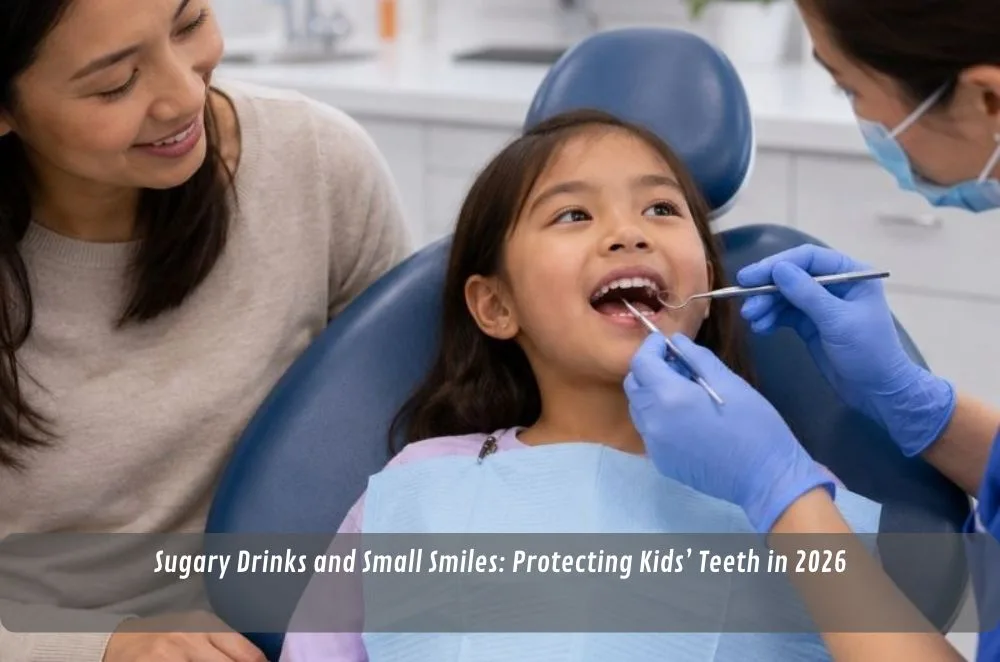
Home routines handle most prevention, yet professional input spots issues invisible to the untrained eye. A paediatric dentist can apply protective sealants, monitor alignment as the jaw grows and teach brushing techniques that stick better than a parent’s nightly reminder. Our detailed paediatric dentistry guide breaks down what to expect at each milestone, from the first wobbly tooth to the teenage orthodontic check.
Beyond Cavities: The Confidence Pay-Off
Toothache is the obvious consequence of decay, but social confidence often takes the bigger hit. A small visible cavity or chronic bad breath can make even an outgoing seven-year-old self-conscious in class photos. By safeguarding oral health now, parents protect speech clarity, facial development and a child’s willingness to smile without hesitation.
Ready to take the next step? Visit our Learn more to find out more.
A Quick Reset for Parents Worried They’ve Started Late
Maybe the pantry still hides cordial concentrate and Friday movie night revolves around slushies. It is not too late. Switch to water between meals, use straws to bypass front teeth when sweet drinks do appear, and book an early check-up. The Australian Dental Association notes that decay caught in its earliest stage can often be reversed with fluoride treatments rather than fillings, avoiding injections and drilling.
Changing habits feels manageable when broken into small wins: one less juice box this week, a dentist visit before the next school term, a reward chart for brushing that focuses on praise rather than fear. Over time those small wins add up to stronger enamel, lower dental bills and children who treat their teeth as something worth protecting.
Closing Note
Kids copy what they see. Keep a reusable bottle on your own desk, mention your check-up in passing and treat flossing as routine rather than a chore. The message sinks in. By combining informed drink choices with timely professional care, families can outsmart the sneaky sugar cycle and keep those young smiles bright well into adulthood.