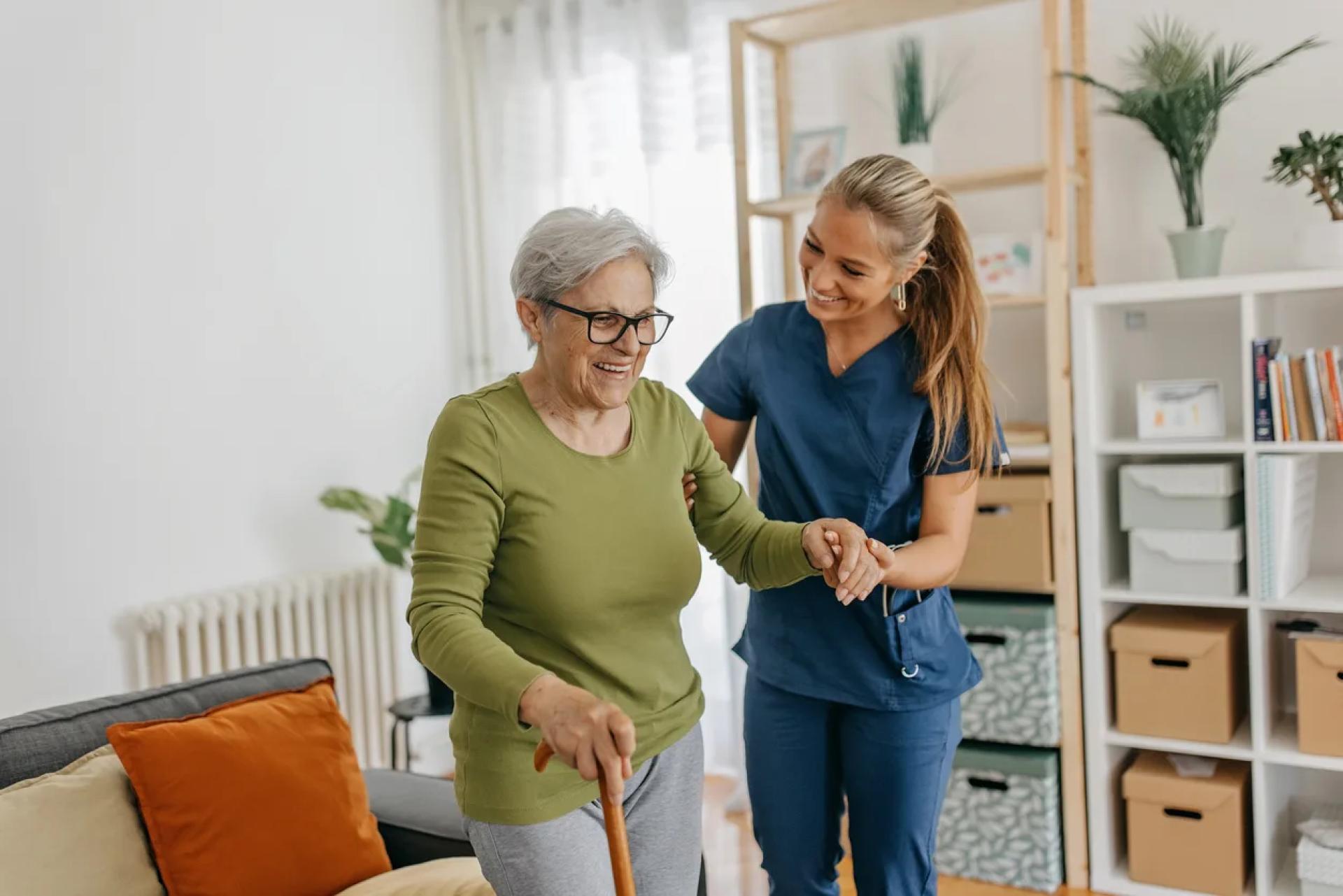
When General Care Can’t Meet Dementia’s Real Needs
Families often begin their caregiving journey with a simple assumption: care is care. If someone helps with meals, bathing, and medications, that should be enough. In the early stages of memory loss, this belief feels reasonable. A loved one may still recognize family, follow routines, and manage conversations, even if they repeat questions or misplace items.
Over time, however, dementia reveals itself as far more complex than forgetfulness. As a nursing professional who has worked closely with individuals living with Alzheimer’s disease and other forms of dementia, I’ve seen how quickly general caregiving approaches begin to fall short. The needs shift in ways that are subtle at first and deeply challenging later on.
Families often rely on standard senior care services, expecting them to adapt naturally as symptoms progress. Unfortunately, general care models are usually task-driven. They focus on what needs to be done rather than how it should be done for someone whose brain processes the world differently each day.
This gap is where confusion, frustration, and even safety risks quietly grow.
Why This Gap Becomes Dangerous Over Time
Dementia affects more than memory. It changes perception, judgment, emotional regulation, and the ability to communicate needs clearly. A caregiver without dementia-specific training may misinterpret behaviors as stubbornness or moodiness, when they are actually signs of fear, overstimulation, or confusion.
These misunderstandings can escalate quickly. A senior may resist bathing because the water feels threatening. They may wander at night because their internal clock is disrupted. They may lash out verbally because they can’t find words to express discomfort.
Research published by the National Institute on Aging shows that people with dementia experience better outcomes, fewer hospitalizations, reduced agitation, and improved quality of life when caregivers are trained to understand dementia-related behaviors rather than simply manage tasks.
Families feel this tension deeply. Many describe a constant sense of walking on eggshells, unsure how to respond when routines suddenly stop working. Adult children often carry guilt, wondering if they’re doing enough or making things worse despite their best intentions.
This is where the limitations of general care become painfully clear.
The Solution: Care Designed Specifically for the Dementia Experience
Specialized dementia support begins with a different mindset. Instead of asking, “What does this person need help with?” it asks, “How does this person experience the world right now?”
Dementia Care Services are built around that question. They recognize that consistency, tone, environment, and emotional cues matter just as much as physical assistance. Caregivers trained in dementia understand how to redirect without confrontation, how to create calm through routine, and how to maintain dignity even as abilities change.
Importantly, dementia-focused care does not replace broader senior care services—it builds on them. When these two approaches are thoughtfully connected, families gain both practical support and specialized understanding. The story of care becomes continuous rather than fragmented.
What Sets Dementia-Focused Care Apart
- Communication techniques that reduce anxiety and confusion
- Structured routines that provide a sense of safety and familiarity
- Environmental awareness to limit overstimulation and fall risk
These elements aren’t about control. They’re about comfort.
Case Study: A Family in Anne Arundel County Finds Clarity
Mrs. Eleanor Watkins, a 78-year-old retired school librarian, lived with her husband in a brick ranch-style home in Odenton, Maryland. Built in the late 1960s, the house had long hallways, minimal natural lighting, and a partially finished basement where laundry was located.
After Eleanor was diagnosed with early-stage Alzheimer’s disease, her family arranged general in-home assistance. At first, things seemed manageable. The caregiver helped with meals, medication reminders, and light housekeeping. But as Eleanor’s condition progressed, challenges emerged.
She became increasingly anxious in the evenings, pacing the hallway and insisting she needed to “go home,” even though she was already there. The caregiver, unfamiliar with sundowning behaviors, attempted to reason with her, which only increased Eleanor’s distress.
A shift to dementia-specific care changed the dynamic. The new caregiver adjusted lighting to reduce shadows, introduced a consistent evening routine, and used validation techniques rather than correction. Laundry tasks were moved upstairs to avoid basement trips that caused confusion and fear.
Within weeks, Eleanor’s evening agitation lessened. Her husband reported sleeping through the night for the first time in months. The difference wasn’t more care hours it was the right kind of care.
The Role of the Home Environment in Dementia Care
Homes across Anne Arundel County colonials in Crofton, split-levels in Severn, ranchers in Pasadena were not designed with cognitive decline in mind. Visual clutter, narrow staircases, and inconsistent lighting can increase confusion and fall risk for someone with dementia.
Specialized caregivers are trained to see these details. They understand how patterned flooring can appear as holes, how mirrors can be unsettling, and how background noise can overwhelm someone already struggling to process information.
This environmental awareness is rarely emphasized in general care training, yet it plays a major role in day-to-day stability for people living with dementia.
Supporting Families, Not Just the Individual
Dementia does not affect one person; it reshapes an entire family. Spouses and adult children often experience exhaustion, grief, and isolation long before they ask for help. Specialized care acknowledges this reality.
Caregivers trained in dementia offer guidance to families, explaining why behaviors occur and how to respond without escalating stress. This education builds confidence and reduces the sense of helplessness many families feel.
From a nursing perspective, this shared understanding is one of the most powerful tools we have. When families feel informed rather than overwhelmed, they can stay emotionally connected to their loved one instead of becoming consumed by caregiving tasks.
When General Care Is No Longer Enough
There is no single moment when families should “switch” to dementia-focused care. The need often reveals itself gradually through increased agitation, wandering, sleep disruption, or safety concerns.
Waiting too long can lead to preventable crises, including emergency room visits or caregiver burnout. Early involvement of dementia-trained professionals often stabilizes routines and extends the time a person can remain safely at home.
Conclusion
Dementia changes abilities, but it does not erase identity. The right care approach preserves personality, preferences, and human connection for as long as possible.
If you’re noticing that current care no longer fits your loved one’s needs or if daily life feels increasingly unpredictable it may be time to explore dementia-specific support.
Reach out to an experienced in-home care provider who understands both senior care services and the unique demands of dementia. Early, specialized guidance can protect safety, reduce stress, and bring steadiness back into daily life when it matters most.