
Family relationships rarely stay frozen in time. The bond between mothers and daughters, in particular, often shifts through seasons of closeness, misunderstanding, distance and renewal. For many women, adulthood becomes the stage where old expectations are finally questioned and long-standing communication patterns begin to change.
Mental health professionals say the modern mother-daughter relationship is evolving in ways previous generations rarely discussed openly. Conversations about emotional boundaries, healing, independence and personal identity are becoming more common - not only in therapy offices, but also in books, podcasts and family discussions around the dinner table.
At the center of this growing conversation is a simple but powerful idea: relationships within families are not fixed. They can be repaired, strengthened and reimagined.
The Emotional Weight Carried Across Generations
Many mothers and daughters enter adulthood carrying unspoken assumptions about love, responsibility and success. Some daughters grow up feeling pressure to meet expectations tied to career choices, parenting styles or personal decisions. Some mothers struggle with the emotional shift that happens when daughters begin creating lives independent of family influence.
Experts often describe these tensions as “intergenerational patterns” — emotional habits passed from one generation to another. A mother raised in a household where emotions were rarely discussed may unintentionally repeat the same communication style with her own daughter. Likewise, daughters raised in high-pressure environments may interpret concern as criticism.
These patterns do not always come from conflict. In many cases, they emerge from love expressed imperfectly. That realization has encouraged more families to rethink the meaning of a healthy relationship. Instead of aiming for perfection, many are focusing on emotional honesty, accountability and mutual respect.
Why Adult Relationships Require a Different Approach
Childhood relationships often operate through authority and dependence. Adult relationships work differently. They require negotiation, empathy and emotional flexibility.
Therapists say one of the most difficult transitions occurs when mothers and daughters begin seeing each other not only through family roles, but also as individuals shaped by their own fears, disappointments and experiences.
For daughters, adulthood may bring greater awareness of sacrifices their mothers made. For mothers, aging can create new vulnerability and a desire for emotional closeness that may not have existed earlier in life.
Yet healing rarely happens through one dramatic conversation. More often, it develops through small changes:
- Listening without interruption
- Avoiding criticism disguised as advice
- Respecting personal boundaries
- Acknowledging past misunderstandings
- Creating space for honest communication
- These actions may seem simple, but relationship counselors say consistency matters more than intensity.
The Rise of Relationship Self-Help for Women
The publishing world has seen growing interest in books focused on emotional healing, self-awareness and family dynamics. Readers increasingly seek resources that feel practical rather than overly clinical.
Books exploring mother-daughter relationships often resonate because they address experiences many women privately recognize: emotional distance despite love, unresolved resentment, communication breakdowns or the challenge of balancing independence with family loyalty.
Some relationship experts believe this trend reflects a broader cultural shift. Younger generations are more willing to discuss emotional health openly, while older generations are becoming more receptive to conversations that once felt uncomfortable or taboo.
The result is a growing market for resources that encourage reflection rather than blame.
Social Media Has Changed Family Conversations
Platforms built around personal storytelling have also influenced how women discuss family relationships. Short videos, essays and online support communities have normalized conversations about emotional boundaries, healing and reconciliation.
In previous decades, many family struggles remained private. Today, women are more likely to encounter stories that mirror their own experiences. That visibility can reduce isolation and encourage difficult but necessary conversations.
At the same time, psychologists warn against oversimplifying family dynamics through viral trends or labels. Real relationships are often more nuanced than social media narratives suggest.
Healthy change, experts say, usually requires patience, self-reflection and a willingness to understand perspectives beyond one’s own.
Rebuilding Trust Takes Time
Repairing strained relationships does not mean erasing the past. In many cases, healing begins with acknowledging pain honestly instead of minimizing it.
Relationship counselors often encourage mothers and daughters to focus less on “winning” disagreements and more on understanding emotional needs beneath them.
Questions such as these can open healthier conversations:
- What expectations were never communicated clearly?
- What forms of support felt missing?
- What fears shaped past reactions?
- How can future communication improve?
The goal is not to rewrite family history, but to create healthier patterns moving forward.
A Relationship That Continues to Evolve
The mother-daughter relationship is unique because it often lasts through multiple life stages: childhood, independence, marriage, parenthood and aging. Few relationships experience such continuous transformation.
That ongoing evolution can create tension, but it also creates opportunity.
More families are recognizing that emotional growth is possible at any age. Conversations once avoided are now becoming part of broader discussions around mental health, emotional resilience and personal healing.
For many women, rebuilding a relationship with a mother or daughter is not about creating a flawless connection. It is about building one rooted in understanding, honesty and compassion.
And in a time when emotional well-being has become a larger cultural priority, that effort may matter more than ever.
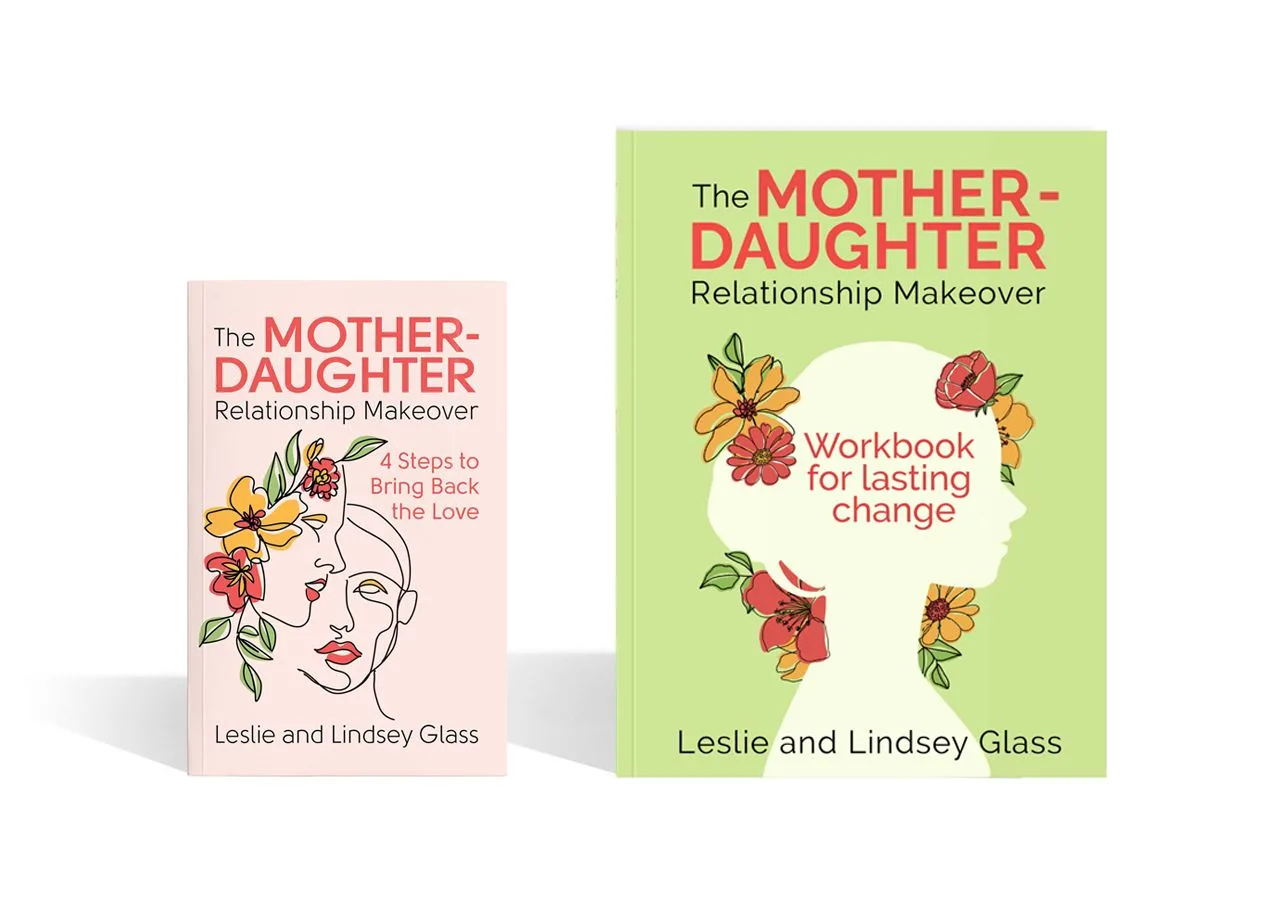
The Mother-Daughter Relationship Makeover Workbook For Lasting Change