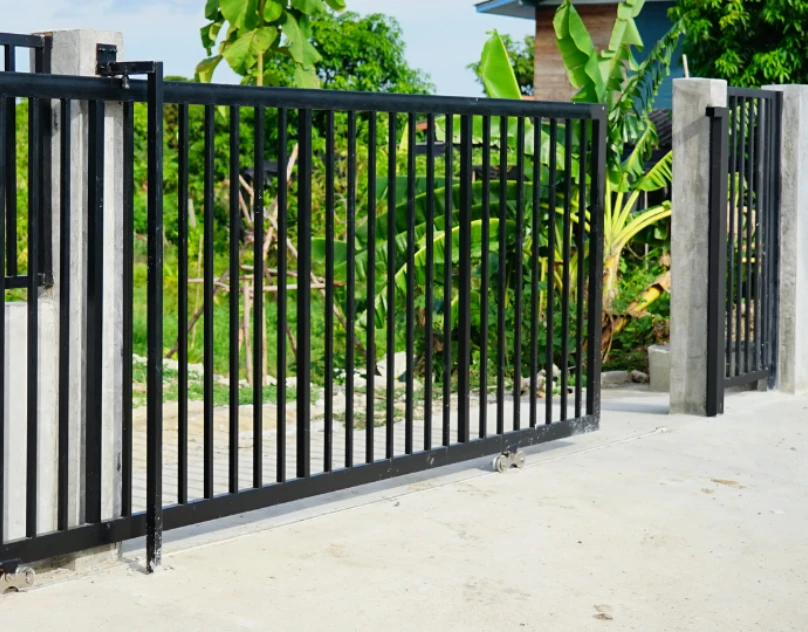
Security and operational efficiency are critical priorities across commercial and government environments. From logistics facilities and transport depots to education campuses and public infrastructure sites, access systems must support controlled entry while maintaining consistent performance under heavy use. For many infrastructure projects, the sliding gate has become a preferred solution due to its ability to operate reliably in restricted spaces while supporting modern security requirements.
Efficient Use of Space in High-Traffic Environments
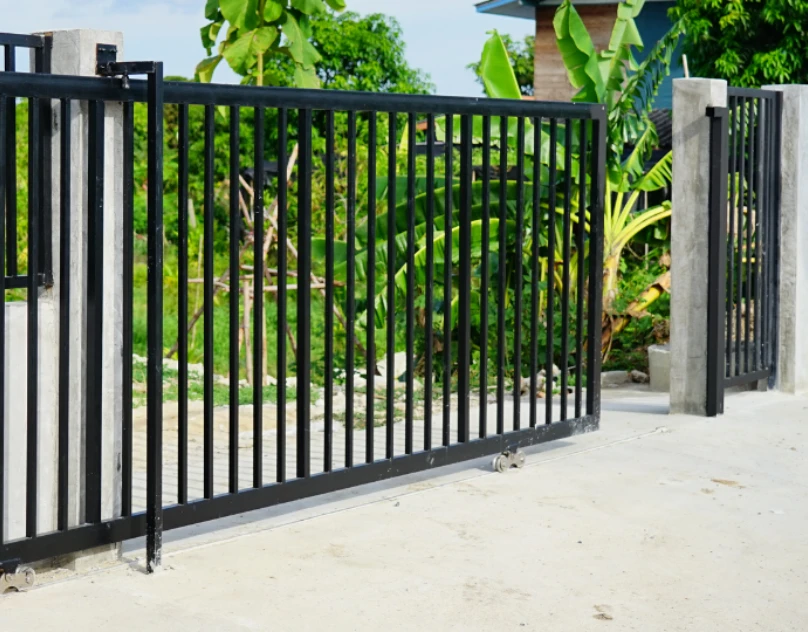
One of the primary reasons commercial and government projects favour this type of gate system is its efficient use of available space. Unlike traditional gate designs that require a large swing arc, sliding systems operate parallel to the fence line. This allows installation in areas where space is limited or where vehicle movement must remain uninterrupted.
Construction sites, freight terminals, and government facilities often operate in constrained environments where maximising usable space is essential. A gate system that minimises obstruction helps maintain safe traffic flow and reduces the likelihood of operational delays.
Enhanced Security Performance for Critical Infrastructure
Security performance is a major consideration in commercial applications. Sliding systems are commonly integrated with perimeter fencing, access control technologies, and automated entry systems to create a cohesive security solution. Their design reduces leverage points and limits forced entry opportunities when compared with some alternative gate configurations.
For sectors such as logistics, utilities, and public infrastructure, maintaining secure boundaries is essential for asset protection and operational continuity. Robust gate construction, combined with controlled automation, supports secure access without compromising efficiency.
Reliability Under Frequent Operation
Infrastructure environments require equipment capable of handling repeated daily use. Gate systems in commercial settings may open and close hundreds of times per day, particularly in transport and distribution facilities. Sliding configurations are often selected because their movement is predictable and less affected by wind loads, making them suitable for exposed or high-use locations.
Reliable operation also contributes to workplace safety by reducing unexpected movement or operational interruptions. Consistency in performance helps ensure that site access remains controlled even during peak activity periods.
Integration With Modern Access Technologies
Commercial and government clients increasingly require access systems that integrate seamlessly with electronic security measures. Sliding gate systems are well suited to automation, allowing compatibility with card readers, vehicle detection loops, intercom systems, and remote monitoring technologies.
This level of integration allows facilities to manage access efficiently while maintaining accurate records of entry and exit activity. For education campuses and government facilities, this supports both safety management and operational oversight.
Reduced Maintenance and Long-Term Value
Long-term value is an important consideration in large-scale infrastructure projects. Sliding gate systems typically involve fewer stress points during operation, which can contribute to reduced wear when properly installed and maintained. With appropriate servicing and inspection schedules, these systems can deliver consistent performance across extended operational lifecycles.
Procurement teams often prioritise solutions that balance upfront investment with long-term reliability. Durable materials, correct installation practices, and planned maintenance contribute to lower lifecycle costs and fewer operational disruptions.
Commercial and government environments require access solutions that support security, efficiency, and dependable performance over time. Space efficiency, strong security integration, operational reliability, and long-term value all contribute to why these systems are widely specified across infrastructure projects. When designed and installed correctly, a sliding gate provides a practical and secure access solution that aligns with the operational demands of modern commercial and government facilities.
FAQs
1. Why are sliding gate systems commonly used in commercial projects?
They provide efficient access control, require less operating space, and support integration with modern security systems used in commercial environments.
2. Are sliding gate systems suitable for government infrastructure sites?
Yes, they are commonly specified for government facilities due to their reliability, security performance, and compatibility with access control technologies.
3. How does a sliding gate improve site security?
Its design reduces forced entry opportunities and allows controlled, automated access for authorised vehicles and personnel.
4. What maintenance is required for sliding gate systems?
Regular inspections, track cleaning, lubrication, and mechanical checks help ensure long-term performance and safe operation.
5. Can sliding gate systems integrate with automated security controls?
Yes, they are commonly integrated with electronic access systems, monitoring technologies, and automated safety features in commercial and government projects.