Quick answer: Sharing plates are defining London's dining scene because they suit how people want to eat: social, flexible and varied. Small plates let diners try more dishes, adapt to dietary needs and spend longer at the table, while giving restaurants room to be creative.
London has long set the pace for global food trends, and few have taken hold as firmly as small plates. From Soho to Notting Hill, a small plates restaurant in Notting Hill or any other part of the city now often outnumbers the traditional starter, main and dessert format. Understanding why helps explain where London dining is heading.
What Are Sharing Plates?
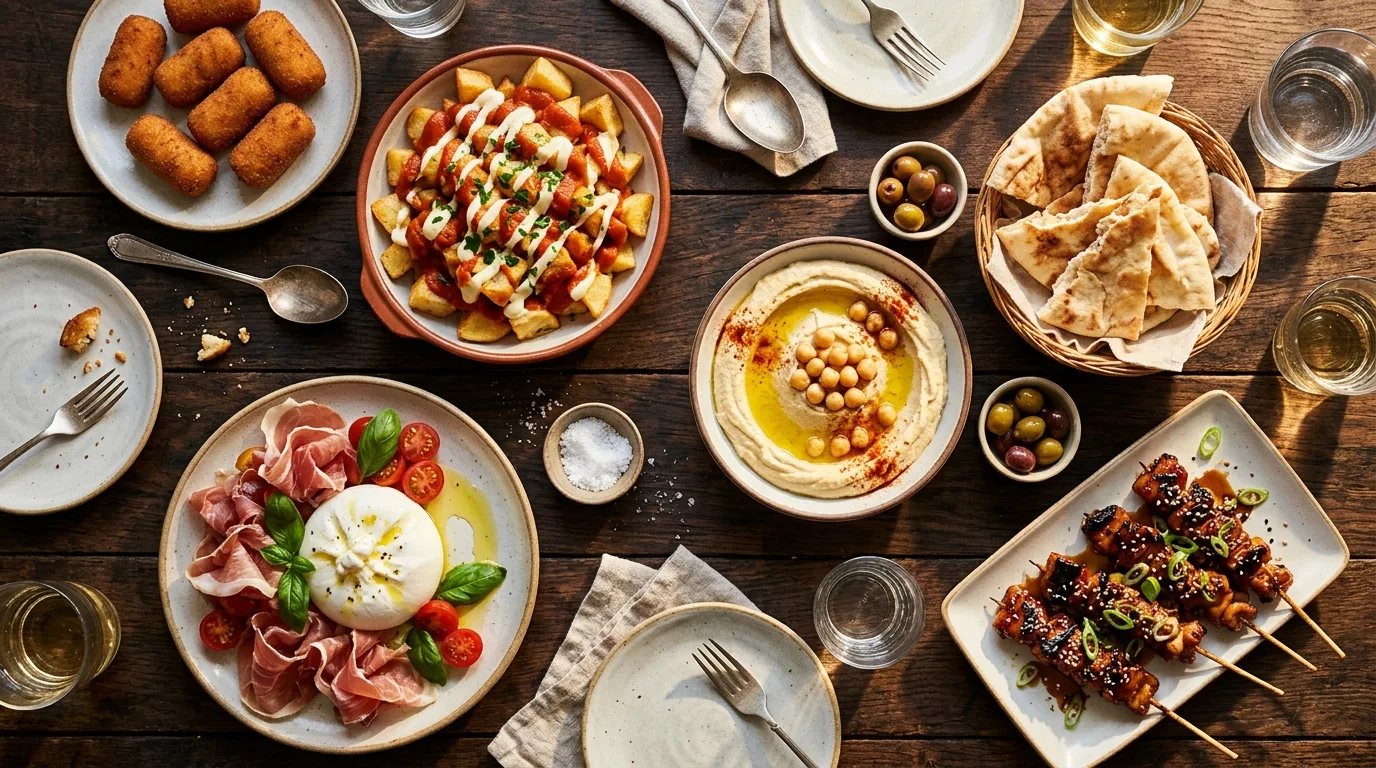
Sharing plates are small to medium dishes served for the whole table instead of one person. They are closely linked to Spanish tapas, Italian cicchetti, Middle Eastern mezze and Japanese izakaya dining. Dishes arrive as they are ready, and diners order in rounds.

How Sharing Plates Took Over London
Several shifts in London's food culture pushed the format into the mainstream.
- The influence of tapas and mezze. Spanish and Mediterranean restaurants showed how a shared menu could feel relaxed and sociable.
- The growth of casual fine dining. Diners wanted high-quality food without formal service rules.
- Social media. Colourful small plates are easy to photograph and share.
- Changing work and social patterns. Shorter lunches, after-work dinners and group catch-ups suit flexible ordering.
- Rising interest in variety. Many diners would rather taste six dishes than commit to one.
Why Diners Prefer Small Plates
ReasonWhat it means for dinersVarietyMore flavours, cuisines and textures in one mealSocial experienceFood becomes part of the conversationFlexibilityOrder more or less as the evening goesDietary inclusionVegetarian, vegan and gluten-free choices sit easily on the same tableValueSmaller portions allow budget controlDiscoveryEasier to try something unfamiliarDiet is a major factor. A mixed table of meat-eaters, vegetarians and gluten-free diners can all eat well without anyone ordering a separate meal, which is why Spanish tapas in Notting Hill and across London suit groups so well. A quick look at a tapas menu shows how many vegetarian and gluten-free plates sit alongside the meat and seafood.

Why Restaurants Favour the Format
- Menu creativity. Chefs can test seasonal ingredients without committing to full plates.
- Efficient kitchens. Smaller dishes support faster, rolling service.
- Higher engagement. Guests often order more rounds, extending the visit.
- Strong reputation signals. Shareable dishes tend to generate reviews and photos.
The Cuisines Driving the Trend
- Spanish tapas: croquetas, jamón Ibérico, patatas bravas, grilled seafood
- Middle Eastern mezze: hummus, grilled halloumi, flatbreads
- Italian small plates: cicchetti, crudo, burrata
- Japanese izakaya: skewers, small bowls, sashimi
- Modern British: seasonal produce served as shared dishes
Spanish tapas remains the reference point because it was built around sharing from the start, and many London venues now blend it with other Mediterranean influences.
Neighbourhoods Leading the Scene
Soho, Shoreditch, Marylebone and Borough Market are all strong centres for shared dining. Notting Hill stands out because its mix of local residents, visitors and Portobello Road traffic supports independent restaurants built around atmosphere and experience. The same style is spreading to nearby areas such as Kensington, and group celebrations are driving demand for private dining built around shared tables.
How to Order From a Sharing Menu
- Plan three to four plates per person, then add more if needed.
- Order in rounds rather than all at once.
- Balance textures: something crisp, creamy, fresh and rich.
- Mix lighter and heavier dishes to avoid fatigue.
- Pair with wine by the glass to match changing flavours.
Browsing the wine list before the first order makes it easier to choose styles that work across several plates.
What Comes Next for Sharing Plates
- More seasonal and local sourcing
- Greater plant-based and gluten-free options
- Wine and sherry pairing menus built around small plates
- Hybrid cuisines that blend Spanish, Mediterranean and British ingredients
- Private dining formats designed around shared tables
Conclusion
Sharing plates are not a passing fashion. They reflect how Londoners now prefer to eat: together, flexibly and with variety. Restaurants such as Frame Notting Hill show how the format works in practice, pairing a small plates menu with wine and a relaxed, intimate setting.
FAQs
What are sharing plates?
Small to medium dishes served for the whole table to share instead of individual courses.
Are sharing plates the same as tapas?
Tapas is the Spanish form of sharing plates, but the style also exists in mezze, cicchetti and izakaya dining.
How many sharing plates should I order?
Three to four per person is a common starting point.
Are sharing plates good for groups?
Yes. They let everyone try more dishes and suit mixed dietary needs.
Why are small plates popular in London?
They offer variety, flexibility and a social way of eating, which suits modern dining habits.