By Roberto Giammellucca, Qualified Italian Pizzaiolo, Chef & Baker | Founder, The Sourdough Science Academy
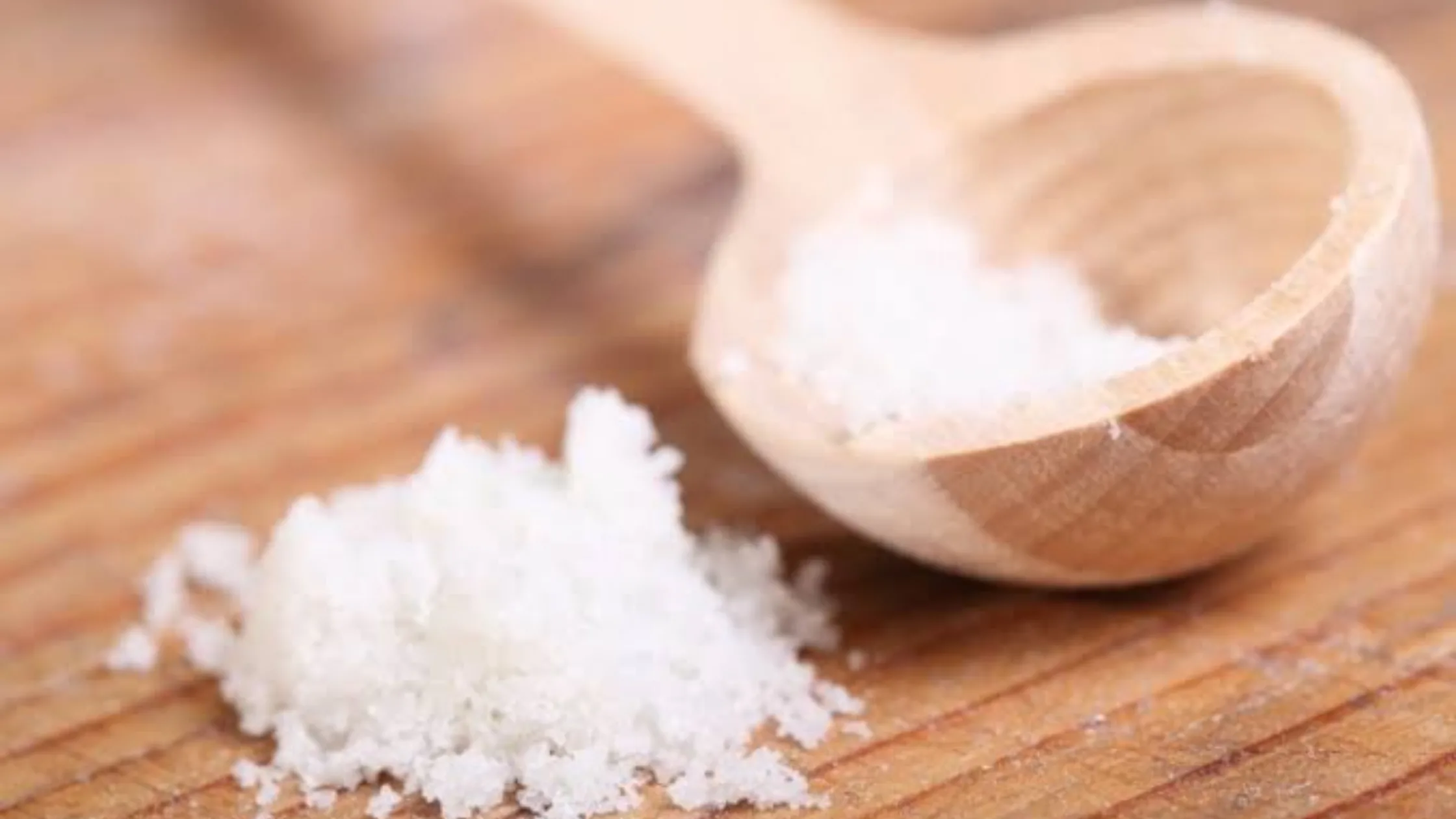
Salt is one of the most important ingredients in sourdough baking, and the type of salt you choose makes a real difference to how your dough develops, ferments, and tastes. At The Sourdough Science Academy, we use and recommend Salt of the Earth – Ultra Fine Celtic Sea Salt | 650g, a traditionally hand-harvested, unrefined French sea salt with a fine texture that dissolves quickly and distributes evenly throughout sourdough bread and pizza dough. It contains no additives, no anti-caking agents, and no unnecessary processing, just clean, natural salt the way bakers have used it for generations.
Why Does Salt Matter in Sourdough Bread?
Most home bakers treat salt as an afterthought, something you throw in at the end to make bread taste better. But in sourdough baking, salt plays a structural and biological role that goes far beyond seasoning.
When you add salt to sourdough dough, it does three important things:
• It strengthens the gluten network, giving your dough better structure and elasticity.
• It slows down fermentation slightly, which allows flavour to develop more slowly and deeply.
• It contributes to crust colour and crumb texture during the bake.
That's why, at The Sourdough Science Academy's weekend workshops in Coomera, Queensland, Roberto Giammellucca always takes time to explain the science behind each ingredient, not just the steps. Understanding what salt does is part of what makes a baker confident, not just capable.
Salt in sourdough is not optional, it is a functional ingredient that shapes the fermentation, structure, and flavour of every loaf.
What Is Salt of the Earth – Ultra Fine Celtic Sea Salt | 650g?
Salt of the Earth Ultra Fine Celtic Sea Salt is a premium sea salt traditionally hand-harvested in France. It is unrefined and unwashed, which means it undergoes minimal processing compared with highly refined table salt. There are no additives, no anti-caking agents, and no bleaching, just salt in its most natural form.
The ultra-fine texture is what makes it particularly well suited to baking. Fine crystals dissolve quickly and distribute evenly throughout sourdough bread dough and pizza dough without leaving pockets of undissolved salt, which can inhibit fermentation and create uneven flavour.
What Does "Unrefined and Unwashed" Actually Mean?
Most table salt is heavily processed. It is washed, bleached, heated at extreme temperatures, and stripped of its natural mineral content before additives are mixed back in to prevent clumping. The result is a chemically consistent but nutritionally stripped product.
Salt of the Earth Celtic Sea Salt skips all of that. Harvested using traditional methods, it retains trace minerals naturally present in the salt flats where it forms. It is not a functional health supplement, but it is a genuinely simple, traditional ingredient that contains what salt naturally contains, and nothing more.
For bakers who care about the quality of every ingredient they use, that simplicity matters.
A Story from the Workshop: Why Roberto Changed the Salt
When Roberto Giammellucca founded The Sourdough Science Academy in September 2021, he was already a qualified Italian Pizzaiolo, Chef, and Baker with years of experience working with traditional doughs. But one question came up in almost every early class: “Does the type of salt really matter?”
Roberto's answer, every time, was yes, but only if you understand why. Early on, he ran students through side-by-side comparisons using standard table salt and unrefined Celtic sea salt in otherwise identical sourdough loaves. The results were consistent: loaves made with ultra-fine Celtic sea salt showed better dough extensibility during shaping, more even fermentation, and a subtly rounder flavour in the finished crust.
It wasn't a dramatic difference. But in sourdough baking, where every variable compounds over a 12-to-24-hour fermentation process, small differences in ingredient quality add up. That's why The Sourdough Science Academy stocks and recommends Salt of the Earth – Ultra Fine Celtic Sea Salt | 650g in the academy’s online shop, not because it carries a premium brand story, but because it consistently performs well in the doughs Roberto teaches students to make.
How Much Salt Should You Add to Sourdough Bread?
The standard baker's percentage for salt in sourdough bread is 1.8% to 2% of the total flour weight. For a basic 500g flour sourdough loaf, that means adding 9g to 10g of salt.
In The Sourdough Science Academy's signature 2-Hour Sourdough Method™, the method Roberto teaches across workshops in Gold Coast and Brisbane, salt is added after the starter and water are combined with flour, and before the first rest period begins. Timing matters here: adding salt too early, before the flour has had a chance to hydrate, can tighten the dough too quickly and make folding more difficult.
Why Does Fine Salt Dissolve Better in Sourdough Dough?
Coarse or flaky salt crystals take longer to dissolve fully in a wet dough. Until they dissolve, they can create localised spots of high salinity that inhibit the wild yeast and bacteria in your sourdough starter. That slows down fermentation unevenly, which means inconsistent rise, uneven crumb, and sometimes a slightly sharp or bitter flavour in parts of the crust.
Ultra-fine Celtic sea salt, like Salt of the Earth, dissolves almost immediately on contact with a hydrated dough. It distributes evenly in the first stretch-and-fold, which means fermentation proceeds uniformly across the whole batch. For students in Roberto's sourdough classes who are learning to manage fermentation for the first time, removing that variable makes a real, measurable difference in their results.
Is Celtic Sea Salt Better Than Table Salt for Sourdough Pizza Dough?
The Sourdough Science Academy also runs a three-hour Sourdough Pizza Class, one of its most popular offerings across Gold Coast and Brisbane, where students make authentic Italian-style pizza dough from scratch, cooked at 400°C in a commercial pizza oven.
Pizza dough is leaner than sourdough bread dough, it contains flour, water, sourdough starter, and salt, with very little else. That simplicity means every ingredient is exposed. The flavour of the salt comes through clearly in the finished base, particularly in the crust edges (the cornicione), where the dough is at its lightest and most airy.
Roberto's approach in the pizza class is straightforward: use good salt because there is nowhere to hide a mediocre ingredient in a simple dough. Students who bring what they've learned home and try Salt of the Earth Ultra Fine Celtic Sea Salt in their own pizza dough consistently report that the crust flavour is cleaner and more rounded than with standard iodised table salt.
In a dough this simple, the quality of the salt you choose has nowhere to hide, which is exactly why the choice matters.
What Makes Salt of the Earth Different from Regular Table Salt?
The differences are worth spelling out clearly, because the marketing language around premium salts can feel vague. Here is what is concrete and specific about Salt of the Earth Ultra Fine Celtic Sea Salt compared with standard table salt:
• Origin: Traditionally hand-harvested in France from natural salt flats, not mined from underground deposits.
• Processing: Unrefined and unwashed, versus table salt which is heavily refined and bleached.
• Additives: No anti-caking agents or iodine added, versus most table salts which contain both.
• Texture: Ultra-fine crystals that dissolve rapidly in dough, versus coarser or irregular table salt granules.
• Mineral content: Naturally retains trace minerals from the salt flat environment, not added back in after processing.
The 650g net weight makes Salt of the Earth practical for regular home bakers. A serious sourdough baker making two loaves per week will go through roughly 20g of salt per week, meaning a 650g bag lasts more than six months for everyday sourdough baking.
How to Use Salt of the Earth Celtic Sea Salt in Your Sourdough Baking
These are the practical steps Roberto teaches in The Sourdough Science Academy's in-person classes and online course:
• Weigh your salt precisely. Guessing salt quantities in sourdough baking leads to inconsistent results. Use a digital scale for every bake.
• Add salt after autolyse. Let your flour and water rest for 20–30 minutes first (the autolyse period), then add your sourdough starter and salt together, or salt just after the starter.
• Dissolve salt in a small amount of water if needed. If your dough is stiff, mix the measured salt in a tablespoon of water before adding, this ensures even distribution without overworking the dough.
• Use the same salt in pizza dough. The 2% salt ratio applies equally to sourdough pizza dough, Salt of the Earth's fine texture makes it ideal for both applications.
• Store your salt correctly. Keep it in a sealed container away from moisture. Unrefined Celtic sea salt can clump slightly in humid conditions, the fine texture makes it easy to break apart if needed.
You can find Salt of the Earth Ultra Fine Celtic Sea Salt alongside Roberto's other recommended ingredients and equipment at The Sourdough Science Academy online shop, which ships Australia-wide.
Can I Use Celtic Sea Salt for Everyday Cooking, Not Just Sourdough?
Salt of the Earth Ultra Fine Celtic Sea Salt is not a specialist baking-only product. Its fine texture and clean flavour profile make it a versatile kitchen staple, equally useful for seasoning pasta water, finishing vegetables, or salting a piece of fish before cooking.
Roberto uses it both in the academy's classes and in his own cooking. When he runs the Sourdough Science Academy's private and corporate catering events, including Italian-style pizza catering across Gold Coast and Brisbane, Salt of the Earth is one of the staple ingredients in the prep kitchen. The same salt that goes into the fermented pizza dough is used to season the toppings and the Italian grazing boards.
That consistency, using the same quality ingredients across baking and cooking, reflects the broader philosophy of The Sourdough Science Academy: good food starts with good ingredients, understood and used correctly.
Why The Sourdough Science Academy Recommends This Salt
The Sourdough Science Academy was established in September 2021 with a clear focus: fighting gluten intolerance through the art of crafting sourdough bread, pizza, and organic fresh pasta using organic ingredients and ancient grains. Everything in the academy's online shop, from certified organic flours to sourdough tools like proofing baskets and bread lames, is selected because Roberto uses it himself and teaches students to use it in class.
Salt of the Earth Ultra Fine Celtic Sea Salt earns its place in that shop for three straightforward reasons:
• Its ultra-fine texture performs reliably in sourdough bread and pizza dough.
• Its simple ingredient profile, no additives, no anti-caking agents, aligns with the academy's commitment to using clean, natural ingredients.
• It is practical and affordable for everyday bakers, a 650g bag provides months of supply for a regular home baker.
The Sourdough Science Academy has now taught more than 3,000 students across weekend workshops in Coomera, Gold Coast, and Brisbane, accumulated more than 400 five-star Google reviews, and been featured as seen on Channel 10. The ingredient choices taught in those workshops are the same ones stocked in the academy’s online shop, because Roberto doesn’t recommend what he doesn’t use.
Key Takeaways
• Salt is a functional ingredient in sourdough baking, it strengthens gluten structure, regulates fermentation, and shapes flavour.
• Ultra-fine salt dissolves faster and distributes more evenly in dough than coarse salt, which leads to more consistent fermentation and a better finished loaf.
• Salt of the Earth Ultra Fine Celtic Sea Salt is unrefined, additive-free, and traditionally hand-harvested in France, a simple, reliable ingredient for sourdough bread and pizza dough.
• The standard salt ratio for sourdough is 1.8%–2% of flour weight. Add salt after autolyse for best results.
• The Sourdough Science Academy stocks Salt of the Earth because it is the salt Roberto uses in his own baking and teaches students to use in every class.
Frequently Asked Questions
Can I substitute table salt for Celtic sea salt in sourdough?
Yes, you can. Standard table salt will still produce a workable sourdough loaf. However, most table salts contain iodine and anti-caking agents. Iodine in particular has an antibacterial effect that can slow down the fermentation activity of your sourdough starter. Using a clean, additive-free salt like Salt of the Earth Ultra Fine Celtic Sea Salt removes that variable and gives your starter the best environment to work in.
How much salt do I add to sourdough bread per loaf?
The baker's percentage for salt in sourdough is 1.8% to 2% of total flour weight. For a loaf using 500g of flour, that is 9g to 10g of salt. Always weigh your salt on a digital scale, guessing salt quantities in sourdough leads to inconsistent fermentation and flavour.
Does Celtic sea salt affect sourdough fermentation?
Salt does influence fermentation speed, it slows down yeast and bacterial activity slightly, which allows more complex flavours to develop over a longer proof. Celtic sea salt without iodine or additives has a more neutral effect on your starter than iodised table salt, which means fermentation proceeds more predictably.
Where can I buy Salt of the Earth Ultra Fine Celtic Sea Salt in Australia?
Salt of the Earth Ultra Fine Celtic Sea Salt | 650g is available through The Sourdough Science Academy’s online shop, which ships Australia-wide. It is packaged in Australia from salt produced in France.
Can I learn how to use sourdough ingredients correctly in a class?
Yes. The Sourdough Science Academy runs weekend sourdough bread classes and sourdough pizza classes across Coomera, Gold Coast, and Brisbane, as well as an online sourdough course available worldwide. Roberto Giammellucca teaches the science behind every ingredient, including how salt works, so students leave understanding not just how to bake, but why each step and each ingredient choice matters.
About the Author
Roberto Giammellucca is a qualified Italian Pizzaiolo, Chef, and Baker, and the Founder and CEO of The Sourdough Science Academy, established in Coomera, Queensland, Australia, in September 2021. Roberto has taught more than 3,000 students across in-person sourdough workshops and online courses, and holds more than 400 five-star Google reviews. His signature teaching method, The 2-Hour Sourdough Method™, is designed to make sourdough baking accessible and scientifically grounded for home bakers and professionals alike. The academy has been featured on Channel 10.
Connect with Roberto: LinkedIn | Instagram | YouTube | thesourdoughscience.com
WhatsApp: +61 492 936 808 | Email: [email protected]
Originally published on:
https://thesourdoughscience.com/why-salt-matters-in-sourdough-salt-of-the-earth-ultra-fine-celtic-sea-salt-650g-explained/