
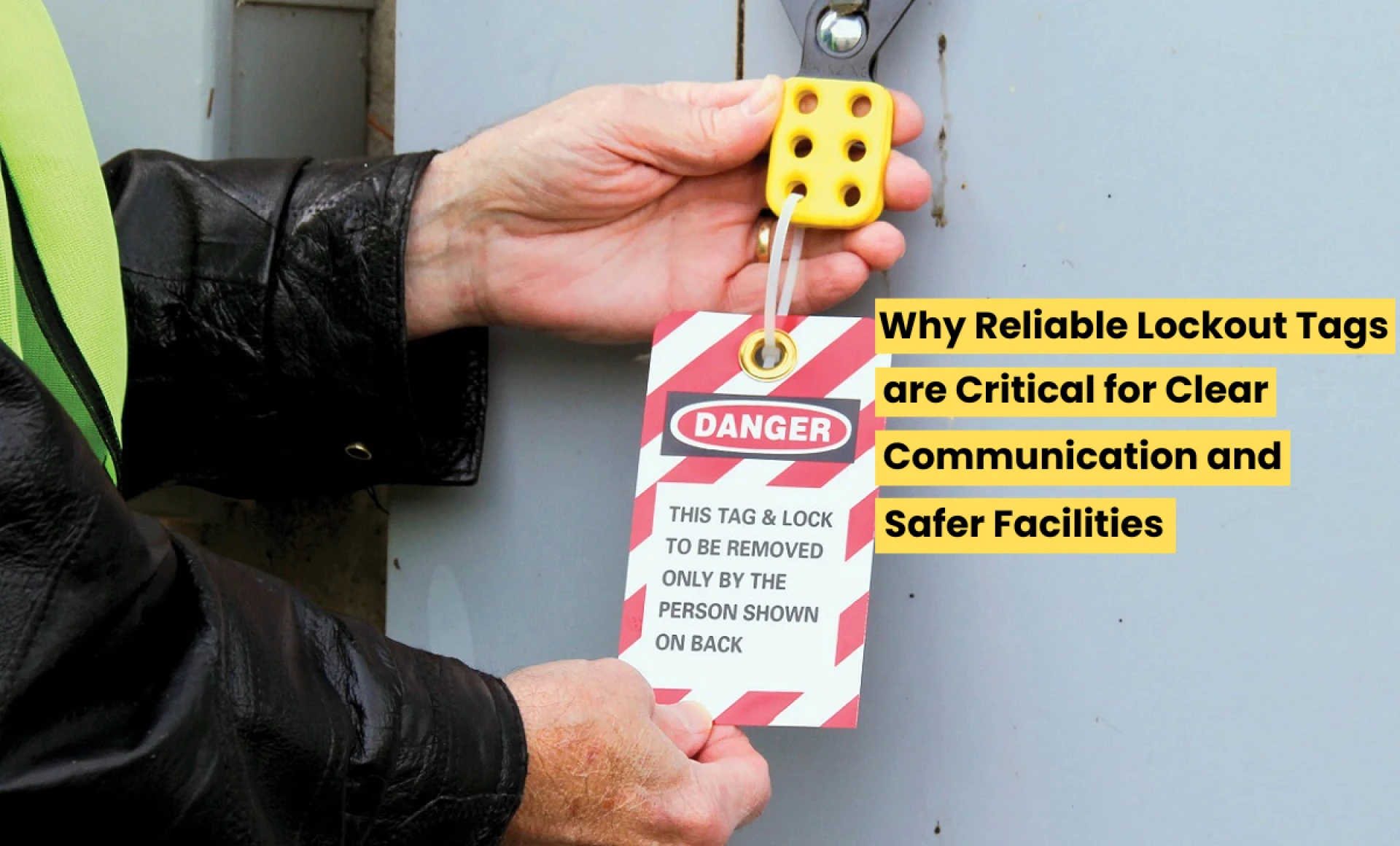
In industrial environments, safety depends as much on communication as it does on physical controls. Machines powered by electrical, mechanical, hydraulic, pneumatic, or thermal energy can cause severe injuries or fatalities if they are activated unexpectedly during maintenance. While lockout devices physically isolate energy sources, lockout tags play a critical role in communicating risk, responsibility, and authorization. When used correctly, reliable lockout tags become a powerful safety tool that protects workers and strengthens facility-wide safety practices.
Communication as the First Line of Safety:
Many workplace accidents occur not because procedures do not exist, but because they are misunderstood or ignored. In busy facilities with multiple shifts, contractors, and departments, verbal warnings and informal instructions are easily missed. Lockout tags provide a visible, standardized message that communicates danger clearly and consistently. They serve as a constant reminder that equipment is under maintenance and must not be operated.
What are Lockout Tags and Why Do They Matter?
Lockout tags are warning devices attached to energy-isolating points to indicate that a machine or system must not be energized. They identify the authorized person performing the work and explain why the equipment is locked out. Unlike ordinary labels, reliable lockout tags are designed specifically for safety-critical environments, ensuring that the message remains visible, legible, and intact throughout the maintenance process.
These tags support lockout procedures by providing context and accountability. While a lock prevents physical operation, the tag explains the reason and ownership behind the lock, reducing confusion and unsafe assumptions.
Lockout Tags as Visual Safety Communication Tools:
Industrial environments are often noisy, fast-paced, and visually complex. In such conditions, clear visual cues are essential. Lockout tags use bold colors, standardized symbols, and clear language to communicate danger instantly. A properly designed tag can be understood at a glance, even by workers unfamiliar with the specific task.
This visual clarity is especially important during shift changes or when multiple teams are involved. Tags ensure that everyone receives the same message, regardless of role or experience level.
The Risks of Using Poor-Quality or Inadequate Tags:
Not all tags provide the same level of protection. Poor-quality or improvised tags can fade, tear, or become unreadable in harsh environments. Missing information such as names, dates, or reasons for lockout can create uncertainty about who is responsible and whether it is safe to proceed.
Unreliable tags increase the risk of human error. A worker who cannot clearly identify the status of a machine may assume it is safe to operate, leading to accidental re-energization. In such cases, a safety control intended to protect workers becomes a potential liability.
Reliable Lockout Tags vs. Verbal Warnings:
Verbal communication alone is insufficient in industrial safety. Instructions can be forgotten, misheard, or lost during shift handovers. Lockout tags provide a permanent, visible record that remains in place until the work is completed.
Unlike verbal warnings, tags do not depend on memory or presence. They continue to communicate risk even when the authorized worker is not nearby, ensuring continuity of safety across time and personnel changes.
Key Features of Reliable Lockout Tags:
Reliable lockout tags are designed to withstand harsh industrial conditions while delivering clear, unambiguous safety messages. Unlike ordinary labels, these tags must remain visible, legible, and intact throughout the entire maintenance or servicing process. High-quality lockout tags share several essential features that ensure effectiveness and compliance.
Key features include:
Durable construction - Made from tear-resistant materials such as PVC or laminated cardstock to withstand moisture, oil, chemicals, and extreme temperatures
High visibility - Bright colors and bold text that immediately attract attention in busy or low-light environments
Clear safety messaging - Standardized warnings such as “Danger - Do Not Operate” or “Equipment Locked Out”
Writable surface - Space to record the worker’s name, department, date, and reason for lockout
Secure attachment - Designed to remain firmly attached and not be easily removed without authorization
These features ensure lockout tags continue to communicate risk clearly until work is fully completed and the area is safe.
Compliance and Regulatory Importance:
Safety regulations worldwide recognize the importance of lockout tagout systems. Lockout tags support compliance by clearly documenting isolation activities and identifying authorized personnel. During audits and inspections, well-maintained tags demonstrate that safety procedures are being followed consistently.
Inadequate or missing tags can result in non-compliance, leading to fines, legal exposure, and increased risk of accidents. Reliable tags help facilities meet regulatory expectations while reinforcing safe work practices.
Real-World Scenarios Where Lockout Tags Prevent Accidents:
Lockout tags are particularly valuable in situations involving multiple workers or contractors. During complex maintenance tasks, tags prevent misunderstandings about equipment status. In high-noise or low-visibility environments, they provide a clear warning where verbal communication may fail.
Tags also play a crucial role during emergencies or unexpected interruptions, ensuring that machines remain isolated until all work is safely completed.
How Lockout Tags Strengthen Safety Culture?
Beyond compliance, lockout tags contribute to a culture of safety. They make safety visible and tangible, reminding workers that procedures are in place to protect them. When employees see consistent tagging practices, they are more likely to respect isolation controls and follow protocols.
This visibility fosters shared responsibility. Every tag signals that safety is not optional but an integral part of daily operations.
Best Practices for Using Lockout Tags Effectively:
Lockout tags are most effective when they are used consistently and as part of a structured Lockout Tagout program. Simply providing tags is not enough - proper application, training, and oversight are essential to ensure they serve their intended purpose.
Recommended best practices include:
· Always use tags with lockout devices - Tags should support physical isolation, not replace it
· Standardize tag design and language - Use consistent colors, wording, and formats across all departments
· Train all affected employees - Ensure workers understand how to apply, read, and respect lockout tags
· Ensure accurate information - Tags must clearly identify who applied the lock and why
· Inspect and replace damaged tags - Faded, torn, or illegible tags should be removed immediately
· Audit tag usage regularly - Verify correct placement and compliance during routine safety audits
Following these practices ensures lockout tags remain reliable communication tools that strengthen safety, accountability, and compliance across the facility.
Conclusion: Clear Communication Saves Lives
Reliable lockout tags are more than simple accessories. They are essential communication tools that prevent accidents, support compliance, and protect lives. By delivering clear, visible, and durable warnings, lockout tags bridge the gap between physical controls and human understanding.
In safer facilities, communication is never assumed - it is clearly displayed. Investing in reliable lockout tags is an investment in clarity, accountability, and the well-being of every worker on site.