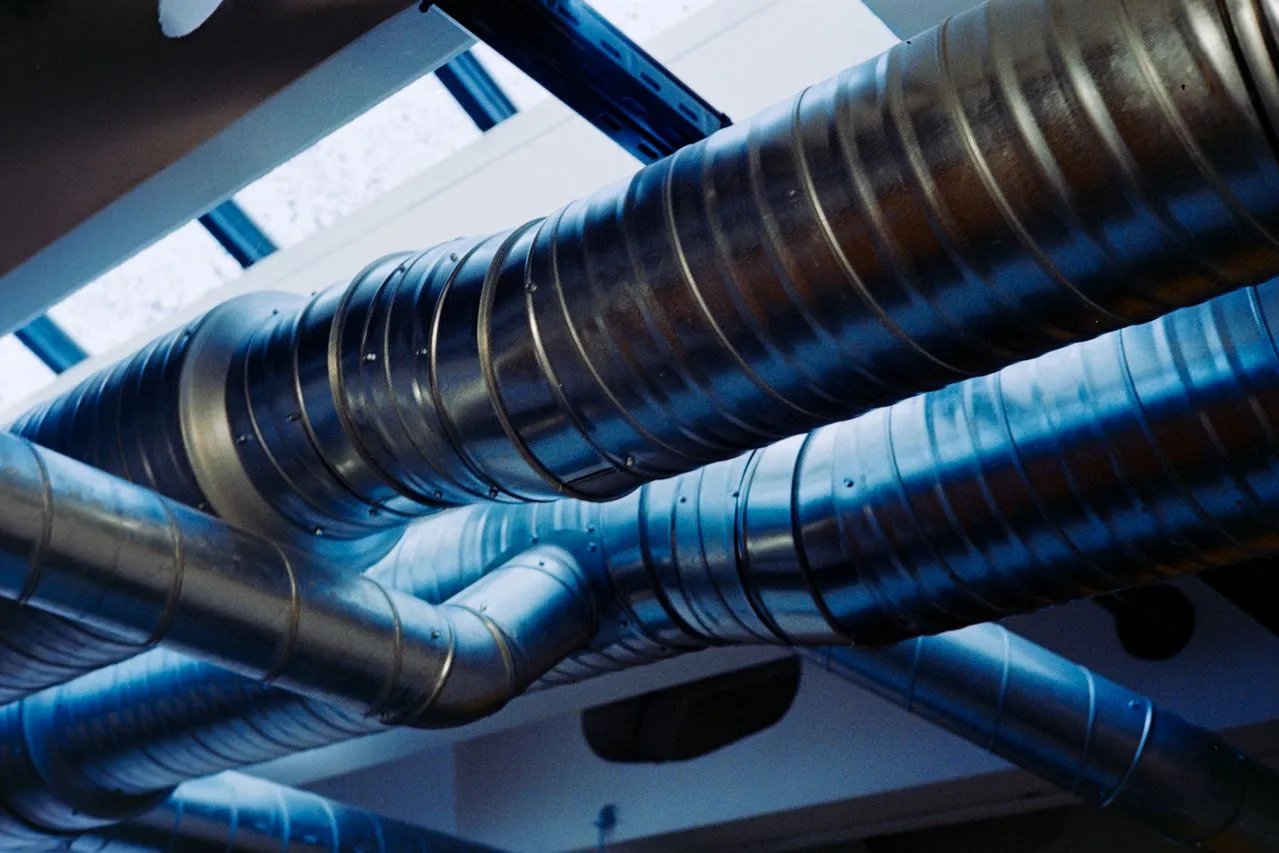
Most homeowners never think about their HVAC system. Not until it quits. Suddenly it's 95 degrees, nothing's blowing cold, and the panic hits all at once — because that machine had been running quietly every single day through brutal summers and hard freezes, and nobody gave it a second thought. Skipping maintenance feels like saving money. It isn't. Dust accumulates, components degrade, and what could've been a $90 fix quietly turns into a $2,000 breakdown. Getting ahead of that cycle is the whole idea.
How Maintenance Prevents System Breakdowns
Inside any HVAC unit, there are belts, bearings, motors, and electrical connections — and any one of them can take the whole system down. Clogged filters are usually the first domino; once airflow gets strangled, the motor compensates by straining harder than it was ever built to. Swap filters every one to three months and you eliminate most of that strain outright. Routine technician visits handle the rest, catching small problems before they spiral. And nobody wants an emergency repair call in mid-July — when every technician in the region is already triple-booked and rates reflect it.
Energy Efficiency and Lower Utility Bills
A clean, properly lubricated system doesn't fight itself. It just runs. Dust-coated coils bleed heat-transfer efficiency fast, pushing the unit into longer, more frequent cycles just to hit your thermostat setpoint. Refrigerant leaks make it worse — slow, easy to miss, and quietly devastating to cooling capacity. Homeowners who stay current on maintenance consistently see lower monthly energy bills than those who don't. Not always dramatically lower. But month after month, the gap compounds.
Extending Equipment Lifespan and Protecting Your Investment
Replacing an HVAC system costs thousands. Sometimes tens of thousands, depending on type and capacity. Nobody wants to write that check ahead of schedule. Consistent maintenance pushes equipment toward its full manufacturer lifespan (fifteen to twenty years or more in many cases) while neglected systems rarely get close. The basics matter: cleaning condenser coils, sealing ductwork, verifying electrical connections. Facility managers running self-contained climate systems like PTAC units follow the exact same logic — preventive care keeps heating and cooling performance steady across dozens of rooms at once. Looked at that way, annual service visits aren't really an expense. They're cheap insurance against replacing everything early.
Maintaining Indoor Air Quality and Health
Your system cycles air through the house several times a day. Whatever's living inside it — dust, pollen, mold spores, pet dander — gets distributed right along with the airflow. Dirty filters and neglected coils let those particles pile up and recirculate endlessly. Regular maintenance cuts that buildup down sharply: fresh filters, cleaned components, less biological debris coating the ductwork. For anyone managing asthma or allergies, the difference can be stark. But even without a diagnosed condition, cleaner air just registers differently. Fewer headaches. Sounder sleep. Less of that low-grade stuffiness nobody can quite explain.
Conclusion
The argument for regular HVAC maintenance isn't complicated. Fewer breakdowns. Lower energy bills. Longer equipment life. Cleaner air. Each benefit feeds the others — and together they make a routine service schedule one of the more straightforward home management decisions available. Don't wait for something to fail before paying attention. The system quietly keeping your household comfortable deserves at least that much.