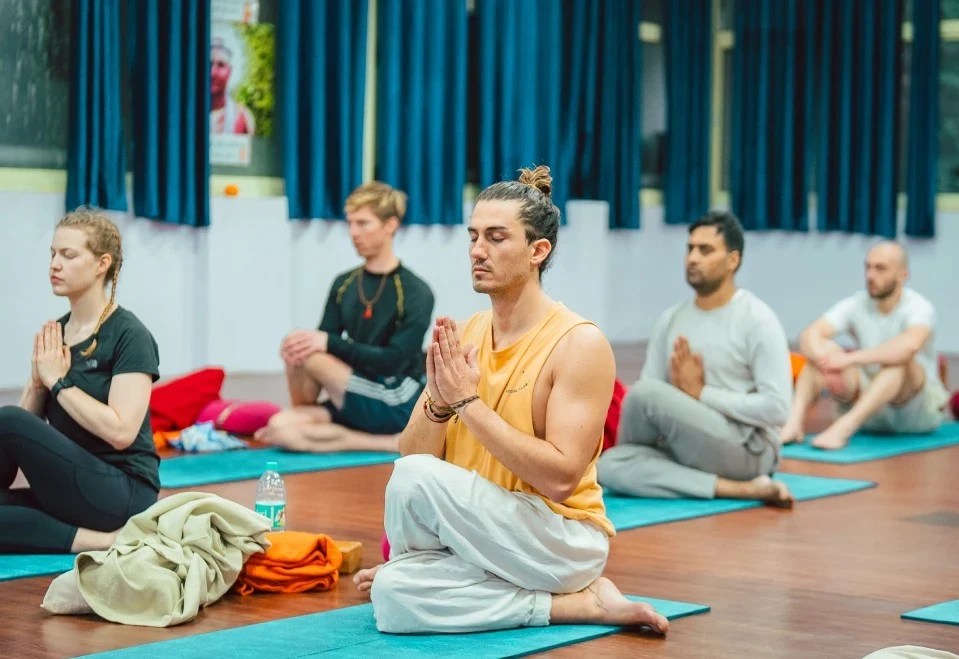
Embarking on a 200 Hour Yoga Teacher Training in Rishikesh is not just about perfecting your asanas or memorizing yoga philosophy — it’s about transforming from within. Amidst the physical practice and intensive learning, reflection becomes your most powerful tool. Taking time to pause, journal, and look inward helps you process your experiences, deepen self-awareness, and evolve as both a student and a future teacher.
Understanding the Role of Reflection in Yoga
Reflection in yoga is more than simply thinking about your day. It’s an intentional practice of observing your thoughts, emotions, and behaviors with honesty and compassion.
During a 200 Hour Yoga Teacher Training in India, you’re immersed in a full schedule — from sunrise meditations to philosophy lectures and posture clinics. Without reflection, these experiences can blend together without integration.
Taking time to reflect allows you to absorb the lessons on a deeper level. It bridges the gap between knowledge and wisdom, helping you truly embody what you learn rather than just understand it intellectually.
Processing Emotional and Mental Growth
Yoga teacher training can stir powerful emotions. Many students experience unexpected feelings — joy, frustration, release, even tears — as buried emotions come to the surface. This is part of yoga’s healing process.
Reflection provides a safe space to process these emotions. Journaling after class or meditating on your day allows you to notice recurring patterns and emotional triggers. Over time, you’ll see how these moments of introspection build resilience and self-acceptance — key qualities for any yoga teacher.
When you participate in a 200 Hour Yoga Teacher Training in Bali, the environment itself encourages this inner exploration. The spiritual energy, the natural surroundings, and the traditional approach create the perfect setting for deep personal reflection.
Building Self-Awareness — The Foundation of Teaching
One of the biggest lessons yoga teachers learn is that you can only guide others as far as you’ve gone yourself. Self-awareness is the heart of effective teaching. Through reflection, you begin to understand your strengths, weaknesses, fears, and motivations.
For example, you might notice that you tend to push yourself too hard in challenging poses — or that you avoid certain topics in philosophy because they make you uncomfortable. Recognizing these tendencies allows you to approach your teaching with authenticity and humility.
A reflective student becomes a mindful teacher — one who teaches from experience rather than ego.
Integrating Knowledge Through Reflection
A 200 Hour Yoga Teacher Training in India is an information-rich experience — covering anatomy, alignment, sequencing, pranayama, and philosophy. With so much to learn in a short time, reflection helps solidify what you’ve absorbed.
Writing down key takeaways after classes or contemplating how a philosophical idea applies to your life ensures that knowledge becomes embodied wisdom. When you later begin teaching, you’ll draw from your personal insights rather than memorized theory.
Reflection, in this sense, transforms your training into a living, breathing practice that continues long after you leave India.
Creating a Habit of Mindful Awareness
Reflection also trains the mind to be present and mindful. By pausing each day to review your experiences, you become more conscious of your actions, words, and thoughts. This mindful awareness extends into your teaching — helping you notice your students’ needs, adjust your cues, and offer compassionate guidance.
Many yoga schools in India encourage students to practice Svadhyaya — one of the Niyamas in Patanjali’s Yoga Sutras — which means “self-study.” Reflection is the essence of Svadhyaya. It allows you to continuously grow and evolve as both a practitioner and a person.
The Transformative Power of Stillness
In a world driven by constant movement, taking time to reflect feels revolutionary. During yoga teacher training, these quiet moments of introspection become sacred. Whether you sit by the Ganges River in Rishikesh or under a tree after class, reflection helps you connect to your inner wisdom — that silent voice within that knows your truth.
Through stillness, you begin to see that yoga isn’t just something you do — it’s something you are.
Reflection Beyond the Training
The habit of reflection doesn’t end with your graduation ceremony. Once you complete your 200 Hour Yoga Teacher Training in India, it continues to guide your journey as a teacher. Reflecting after your classes helps you refine your teaching methods and connect more deeply with your students.
As your practice matures, reflection becomes a lifelong companion — one that keeps your teaching grounded, your mind humble, and your heart open.
Conclusion
Reflection is the thread that weaves together all aspects of yoga teacher training — physical, mental, emotional, and spiritual. Without it, growth remains incomplete.
During your 200 Hour Yoga Teacher Training in India, making space for daily reflection will help you understand not just yoga, but yourself. It’s through these quiet moments of introspection that you’ll uncover your purpose, refine your teaching, and truly embody the essence of yoga.
In the end, yoga teacher training is not about becoming a teacher — it’s about awakening the teacher within, and reflection is the key that unlocks that door.