There was a time when safety footwear meant one thing: heavy boots that protected your feet but left them feeling tired by the end of the day. Anyone who spent long hours on a warehouse floor, construction site or factory knew the trade-off. Protection came first, while comfort often came a distant second.
That expectation has changed. Modern workplaces demand footwear that can keep people safe without slowing them down, and manufacturers have responded with designs that combine protection, flexibility and all-day comfort. It's one of the reasons Reebok safety trainers have become increasingly popular among workers who spend hours on their feet.
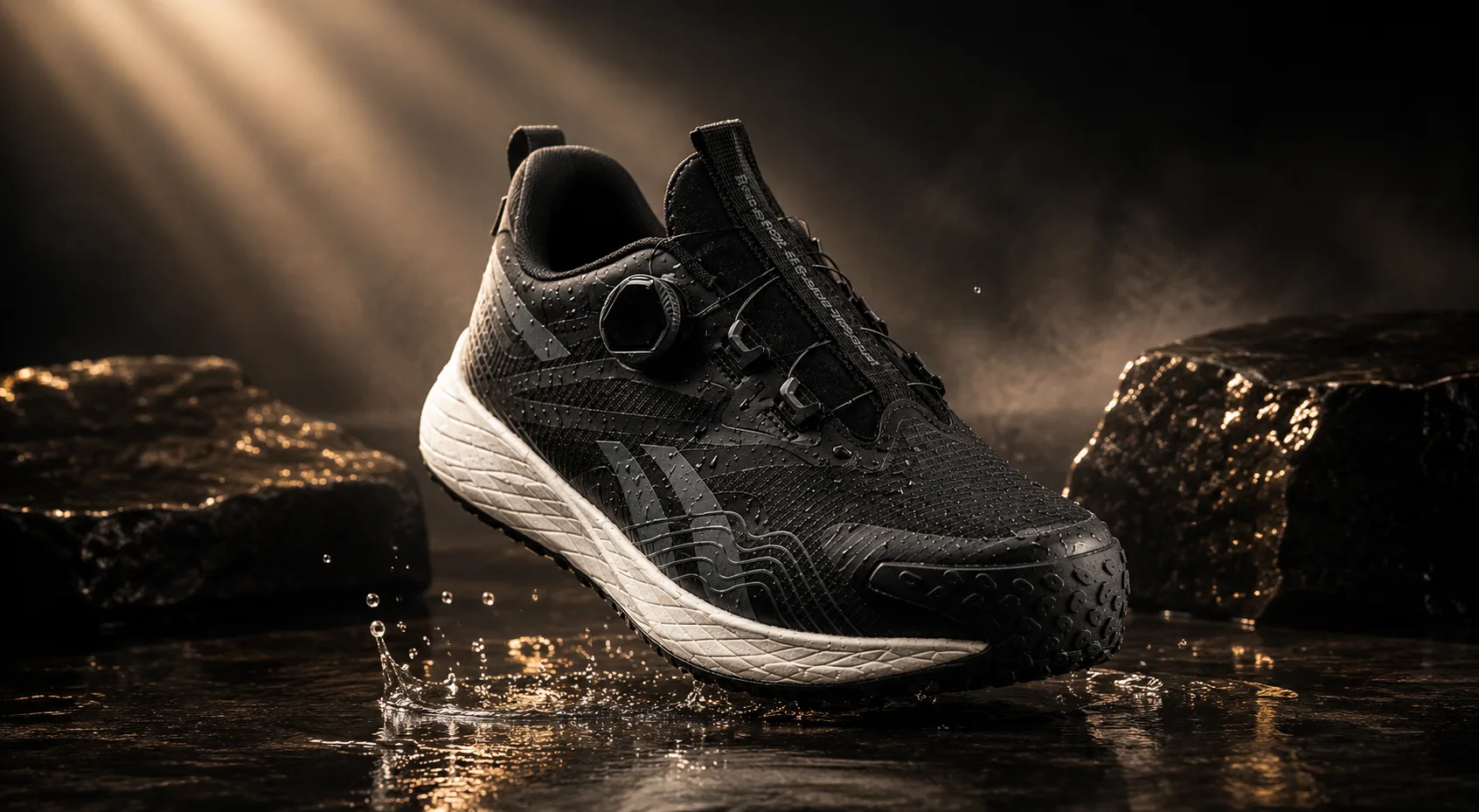
Rather than looking like traditional work boots, they borrow features from athletic footwear, making them feel lighter and more comfortable while still meeting workplace safety requirements. For many workers, that combination makes a noticeable difference before the shift is even halfway through.
How Workplace Footwear Has Evolved
Safety regulations haven't become less demanding, but expectations around comfort certainly have.
Today's workforce is more mobile than ever. People may walk several miles during a single shift without even realising it. Warehouse operatives, engineers, delivery drivers and maintenance teams all rely on footwear that supports movement instead of restricting it.
That's where sports-inspired safety footwear has found its place.
By using lightweight materials, cushioned midsoles and ergonomic designs, manufacturers have produced footwear that feels far closer to everyday trainers than traditional work boots.
It isn't simply about appearance.
Reducing fatigue can improve concentration, mobility and overall comfort throughout a working day.
Choosing the Right Reebok Safety Trainers
Selecting work footwear shouldn't come down to brand recognition alone.
The best choice depends on the environment you'll actually be working in.
Those employed in logistics may prioritise lightweight flexibility.
Construction workers often need enhanced toe protection and durable outsoles.
Warehouse teams usually benefit from excellent grip and cushioning due to the amount of walking involved.
Quality Reebok safety trainers are designed to offer that balance, combining certified protection with features that make long shifts more manageable.
Before buying, it's always worth checking the footwear's safety rating to ensure it meets the specific requirements of your workplace.
Why Slip Resistance Deserves More Attention
One of the most overlooked features in workplace footwear is grip.
According to the Health and Safety Executive (HSE), slips and trips remain among the most common causes of workplace injuries across the UK.
Floors aren't always predictable.
Water, dust, oil or polished surfaces can all increase the likelihood of accidents.
That's why many employers now recommend Reebok slip-resistant work trainers, particularly in environments where traction matters just as much as impact protection.
Well-designed outsoles help reduce the risk of losing footing without affecting natural movement, making them suitable for busy workplaces where employees are constantly on the move.
Comfort Isn't a Luxury—It's Part of Safety
People often separate comfort from protection, but in reality the two are closely connected.
Feet that become sore after several hours can affect posture, walking patterns and overall concentration.
Over time, discomfort may contribute to fatigue, reduced productivity and even musculoskeletal issues.
Modern safety trainers recognise this.
Features such as cushioned insoles, breathable linings and shock-absorbing midsoles help support workers throughout lengthy shifts.
These may seem like small details individually, yet together they can significantly improve daily comfort.
Anyone who has replaced a rigid pair of boots with lightweight trainers often notices the difference almost immediately.
Understanding Safety Ratings
Not every workplace requires identical footwear.
Different safety classifications exist for different working environments.
Some jobs require composite or steel toe protection.
Others prioritise puncture-resistant midsoles.
Certain industries demand anti-static properties or resistance to fuel oils.
Understanding these requirements before purchasing footwear helps avoid unnecessary expense while ensuring compliance with workplace regulations.
The best footwear isn't necessarily the most expensive—it's the pair designed for the work you'll actually be doing.
Quality Usually Pays for Itself
Budget footwear can appear attractive initially.
However, frequent replacement often makes cheaper options more expensive over time.
Better construction, stronger materials and improved comfort usually contribute to a longer lifespan.
Workers who spend eight or ten hours a day wearing the same footwear often appreciate this difference more than occasional users.
Many experienced tradespeople now actively seek Top-rated Reebok safety footwear because they recognise that durability and comfort often reduce long-term costs rather than increase them.
Buying well once frequently proves more economical than buying cheaply several times.
Choosing Footwear That Matches Your Industry
Different sectors present different challenges.
Warehouse workers may prioritise lightweight flexibility.
Manufacturing environments often require enhanced impact resistance.
Transport professionals frequently value comfort during repeated movement between vehicles and customer sites.
Maintenance engineers often need footwear capable of handling a wide variety of indoor and outdoor conditions.
Rather than searching for one universal solution, it makes sense to match footwear to the demands of the role itself.
That approach generally leads to greater comfort and improved longevity.
Looking Beyond Price Tags
Sales and discounts can certainly be worthwhile.
Still, choosing work footwear solely because it's the cheapest option rarely produces the best long-term outcome.
Construction professionals, warehouse staff and industrial workers place considerable stress on their footwear every day.
Comfort, durability and certified protection should remain the priority.
Those comparing products may also come across affordable safety workwear boots in Leicester, where independent retailers and specialist suppliers often provide a wide selection suited to different industries and budgets.
A sensible purchase isn't necessarily the lowest-priced one—it's the pair that performs reliably over months rather than weeks.
Looking After Your Safety Trainers
Even high-quality footwear benefits from regular maintenance.
Simple habits can make a surprising difference.
Remove dirt after each shift.
Allow footwear to dry naturally if exposed to moisture.
Replace worn insoles where appropriate.
Inspect soles regularly for signs of excessive wear.
Rotating between two pairs, where practical, also extends their lifespan considerably.
Good maintenance not only protects your investment but also helps ensure safety features continue performing effectively.
Buying from Knowledgeable Suppliers
Specialist retailers often provide advice that goes beyond sizing alone.
Understanding safety ratings, workplace regulations and footwear construction helps buyers make more informed decisions.
For workers looking to compare certified footwear from recognised manufacturers, Briggs Safety Wear offers a broad selection alongside guidance that can help match products to different industries and workplace requirements.
Choosing knowledgeable suppliers can be just as valuable as choosing the footwear itself.
Comfort and protection no longer need to compete. Modern Reebok safety trainers demonstrate that workplace footwear can deliver both without compromise.
Whether working in logistics, construction, manufacturing or facilities management, choosing footwear that supports movement while meeting recognised safety standards makes practical sense. Good shoes reduce fatigue, improve confidence underfoot and help workers stay comfortable throughout demanding shifts.
As expectations around workplace comfort continue to rise, it's easy to understand why Reebok safety trainers remain a popular choice for professionals seeking reliable protection without sacrificing everyday wearability.
FAQs
Are Reebok safety trainers suitable for construction sites?
Many models are certified for construction environments, but always check the safety rating required by your employer before purchasing.
What's the difference between safety trainers and safety boots?
Safety trainers are generally lighter and more flexible, while safety boots provide additional ankle support and are often preferred for heavier-duty environments.
Are slip-resistant work trainers worth buying?
Yes. Quality slip-resistant footwear helps reduce the risk of slips on wet, smooth or contaminated surfaces, making it valuable across many industries.
How long should safety trainers last?
With regular daily use, a good-quality pair often lasts between 12 and 24 months, depending on the working environment and how well they're maintained.
Can safety trainers be worn all day?
Yes. Modern designs include cushioning, breathable materials and ergonomic support, making them suitable for extended periods of wear during long working shifts.