
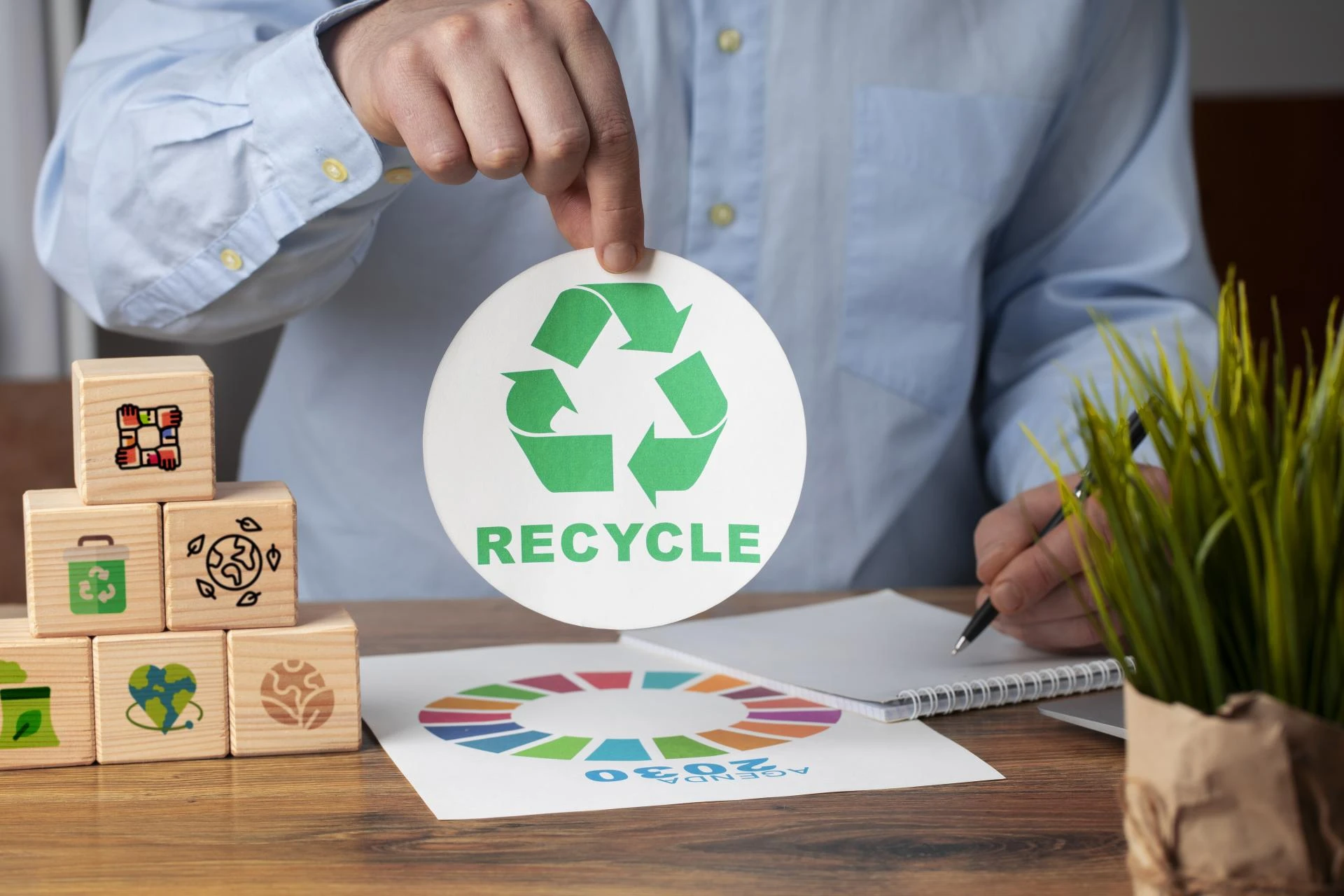
In today’s world, sustainability isn’t just a buzzword — it’s a responsibility shared by individuals, communities, and businesses alike. As urban populations rise and consumption grows, so does the challenge of managing waste efficiently. Recycling has become one of the most powerful tools in this fight for a greener planet, serving as the cornerstone of a sustainable future.
Understanding the Role of Recycling
Recycling is more than separating plastics from paper — it’s a systematic process that transforms used materials into valuable resources again. By reusing metals, glass, paper, and plastics, we reduce the need for raw materials, conserve energy, and minimize the amount of waste ending up in landfills.
Every bottle recycled, every box reused, and every can properly disposed of adds up. For example, recycling aluminum uses 95% less energy than producing it from raw ore. Similarly, paper recycling helps preserve forests that absorb carbon dioxide and protect ecosystems.
When done effectively, recycling closes the loop in the production-consumption cycle, reducing both environmental impact and economic waste.
Recycling and the Circular Economy
Recycling forms the foundation of the “circular economy” — a model focused on keeping products, materials, and resources in use for as long as possible. Instead of the traditional “take, make, dispose” approach, a circular economy emphasizes regeneration and reuse.
In this model, products are designed to be recycled or repurposed. Companies are increasingly choosing recyclable packaging, reusing production materials, and partnering with waste management services that align with sustainability goals. By doing so, they help reduce pollution, support local recycling industries, and create long-term environmental resilience.
The ripple effect of this is enormous — from reducing dependency on imported raw materials to lowering greenhouse gas emissions and conserving water used in manufacturing processes.
Recycling and Urban Sustainability
Cities are at the center of the global waste crisis, producing millions of tons of waste every year. Recycling plays a key role in managing this waste responsibly. When municipalities and businesses adopt effective recycling systems, they extend the lifespan of local landfills and prevent contamination of soil and water.
In cities like Calgary, strong recycling initiatives are helping local industries operate more sustainably while keeping communities clean. Businesses and property managers now recognize that partnering with reliable recycling providers is essential not only for compliance but for corporate social responsibility.
Many organizations now work with specialized waste recycling services to ensure that their waste is handled properly — sorted, processed, and reused wherever possible. These services help streamline waste management operations, meet sustainability targets, and make recycling easier for both commercial and residential properties.
The Environmental Benefits of Recycling
- Reduced Greenhouse Gas Emissions: Manufacturing products from recycled materials requires less energy and produces fewer emissions compared to creating them from raw materials.
- Conservation of Natural Resources: Recycling minimizes the depletion of natural resources like timber, minerals, and water.
- Cleaner Air and Water: Proper waste handling reduces pollution and prevents harmful chemicals from leaching into the environment.
- Energy Efficiency: Recycling processes generally consume less energy than extraction and production, supporting more efficient resource use.
- Biodiversity Protection: Recycling reduces the strain on ecosystems caused by mining, logging, and other extractive industries.
Each of these benefits contributes directly to building a cleaner, more sustainable future.
Recycling and Economic Growth
Beyond environmental impact, recycling supports economic development. It creates jobs in collection, sorting, and processing sectors while reducing costs for businesses that manage waste smartly. In many regions, recycling industries are expanding rapidly, contributing to local economies and supporting sustainable infrastructure development.
Companies that implement recycling programs often see financial benefits as well. Lower waste disposal costs, government incentives, and enhanced brand reputation all add up to tangible value. Consumers today also prefer brands that take visible steps toward sustainability, making recycling not just an environmental initiative but a smart business decision.
What Individuals Can Do
While businesses and governments play a vital role, individuals are equally important in advancing recycling efforts. Simple habits like separating recyclables at home, avoiding single-use plastics, and purchasing products made from recycled materials all contribute to a more sustainable ecosystem.
Community awareness campaigns and local recycling programs make it easier for citizens to get involved. By supporting such initiatives and choosing responsible waste disposal methods, individuals can significantly reduce their carbon footprint and promote a cleaner future for everyone.
The Road Ahead
As global awareness of climate change and environmental degradation grows, recycling remains a central pillar of sustainable progress. It connects environmental responsibility with economic opportunity, linking communities, governments, and industries in a shared mission for a healthier planet.
Looking forward, innovations like AI-based sorting, smart recycling bins, and advanced material recovery technologies will make recycling even more efficient. However, the foundation remains the same — a collective commitment to reuse, repurpose, and reduce waste wherever possible.
Conclusion
Recycling isn’t just about managing waste — it’s about rethinking how we use the world’s resources. From households to corporations, every effort counts toward reducing environmental impact and creating a future where waste is seen not as garbage, but as potential.
By embracing sustainable practices and partnering with trusted providers like waste recycling services in Calgary, AB, communities and businesses can ensure that the cycle of sustainability continues — cleaner cities, greener industries, and a planet ready for generations to come.