
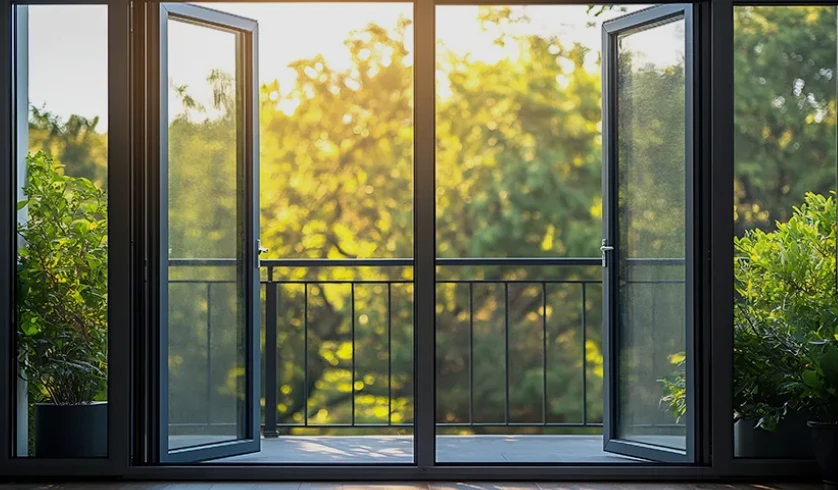
When designing or renovating a home, windows are often chosen based on their size. Bigger windows are commonly associated with better views, increased daylight, and a sense of openness.
While these aspects certainly add aesthetic value, they do not automatically ensure comfort. In reality, proper ventilation has a far greater impact on indoor living conditions than window size alone. Well planned, ventilated windows help regulate airflow, improve air quality, and create healthier indoor environments.
Understanding the Importance of Ventilation
Indoor spaces naturally trap heat, moisture, and pollutants generated through daily activities such as cooking, bathing, and cleaning. Without adequate airflow, these elements remain confined, making rooms feel stuffy and uncomfortable. A thoughtfully designed ventilated window allows fresh air to enter while enabling stale air to exit, creating a continuous air exchange that supports thermal comfort and indoor freshness.
Unlike large fixed glass panels that may remain closed most of the time, ventilator windows are designed for frequent use. Even smaller openings, when positioned correctly, can promote adequate airflow and reduce indoor humidity. This is particularly important in urban homes where natural air circulation is often limited.
Why Aluminium Is Commonly Used for Ventilation Windows
Material selection plays a critical role in how efficiently windows perform over time. Aluminium for windows is widely used because it offers strength, durability, and dimensional stability. Aluminium frames can support slim yet firm profiles, making them suitable for ventilator panels that need to open and close regularly.
Since ventilator windows are exposed to varying weather conditions and are frequently handled, the material must resist warping, corrosion, and wear. Aluminium’s low maintenance nature and resistance to environmental stress make it a practical choice for spaces where ventilation is essential, such as kitchens, bathrooms, and utility areas.
The Role of Ventilator Window Design
A well planned ventilator window design prioritises functionality over size. High level vents allow warm air to escape, while lower openings draw in cooler air, creating natural airflow within a room. This approach is often more effective than relying on a single large opening, which may not provide continuous ventilation.
Placement is equally important. Ventilator windows positioned across from each other enable cross ventilation, helping air move efficiently through a space. Even compact ventilators, when designed thoughtfully, can significantly improve airflow compared to oversized windows placed without ventilation planning.
Everyday Use of Aluminium Ventilators
An aluminium ventilator is especially useful in areas that require controlled airflow without fully opening the room to the outdoors. Kitchens benefit from ventilators that help release heat and cooking fumes, while bathrooms rely on them to reduce moisture buildup. In living spaces, ventilators allow airflow while maintaining privacy and security.
Because aluminium frames are lightweight yet strong, they support precise fabrication and reliable everyday operation, allowing homeowners to manage ventilation comfortably across changing weather conditions.
Bigger Windows Don’t Always Mean Better Ventilation
Large windows certainly enhance natural light, but they are not always practical to keep open due to heat, rain, noise, or safety concerns. This is where intelligent ventilation windows design becomes more effective. Smaller, operable sections allow airflow even when larger glass panels remain closed.
From a comfort perspective, good ventilation can help moderate indoor temperatures naturally, reducing reliance on mechanical cooling. As a result, ventilation focused window planning often delivers better everyday comfort than simply increasing window size.
A Practical Perspective on Modern Aluminium Systems
Modern aluminium window systems are increasingly designed with ventilation performance in mind. Brands like Eternia offer system based aluminium windows that integrate ventilator panels into larger window configurations, allowing airflow without compromising structural stability. These systems are engineered to meet performance standards for wind, water, and air resistance, which are essential to functional ventilation.
Conclusion
While bigger windows may enhance visual appeal, proper ventilation plays a more critical role in maintaining indoor comfort and air quality. Thoughtfully designed ventilator windows, supported by durable materials like aluminium, ensure consistent airflow and long term usability.
By prioritising ventilation over size, homeowners can create healthier and more comfortable living spaces. Solutions such as those offered by Eternia highlight how modern aluminium window systems can balance ventilation, durability, and everyday practicality.