
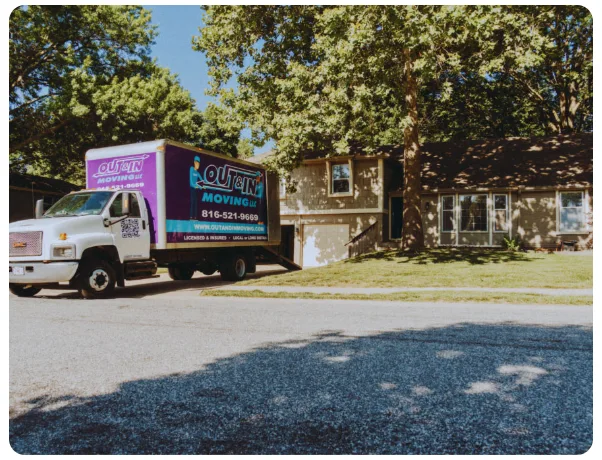
Packing is often the most time-consuming and exhausting part of moving. While many people focus primarily on transportation and moving day logistics, the packing process itself usually determines how organized, efficient, and manageable the entire relocation will feel.
Whether moving locally within Kansas City or preparing for a long-distance relocation, packing requires far more than simply placing belongings into boxes. Proper organization, protection, labeling, and preparation all play a major role in preventing damage and reducing stress throughout the move.
For busy families, professionals, and homeowners balancing work and daily responsibilities, packing can quickly become overwhelming without a clear strategy in place.
Why Packing Is Often More Difficult Than Expected
Many people underestimate how much time and effort packing actually requires. A typical household contains hundreds — sometimes thousands — of individual items that must be sorted, wrapped, boxed, and organized properly.
Packing challenges commonly include:
- Protecting fragile belongings
- Organizing large quantities of items
- Preventing damage during transportation
- Managing limited time
- Keeping rooms organized
- Labeling boxes efficiently
- Lifting heavy containers
- Avoiding misplaced items
Even a relatively small home can take days or weeks to pack correctly when handled without a plan.
Starting early and approaching packing systematically can make the process far more manageable.
Decluttering Before Packing
One of the smartest steps before packing begins is reducing unnecessary belongings.
Moving items you no longer use only increases workload, transportation volume, and unpacking time.
Items Commonly Removed Before a Move
Many homeowners choose to donate, sell, or discard:
- Old clothing
- Broken furniture
- Duplicate kitchen supplies
- Unused electronics
- Expired pantry items
- Outdated decorations
- Storage boxes filled with unused belongings
Decluttering before packing creates a more organized move and allows for a cleaner start in the new home.
Work Room by Room
Trying to declutter the entire house at once can become overwhelming.
Instead, focus on one area at a time:
- Bedrooms
- Closets
- Kitchens
- Storage rooms
- Garages
- Home offices
Breaking the process into smaller tasks makes it easier to stay organized and productive.
The Importance of Proper Packing Materials
Using the right materials is essential for protecting belongings during transportation.
Weak boxes and poor-quality supplies significantly increase the risk of damage.
Essential Packing Supplies
A well-organized move typically includes:
- Strong moving boxes
- Packing tape
- Bubble wrap
- Packing paper
- Furniture blankets
- Stretch wrap
- Labels and markers
Investing in quality materials often prevents costly damage later.
Match Boxes to Item Weight
Heavy items should always go into smaller boxes, while lighter belongings can be packed into larger containers.
Examples include:
- Books → small boxes
- Towels and bedding → large boxes
- Dishes → medium reinforced boxes
Overloaded boxes are more difficult to carry safely and more likely to break during transport.
Protecting Fragile Items Properly
Fragile belongings require extra care throughout the packing process.
Items most commonly damaged during moves include:
- Glassware
- Mirrors
- Artwork
- Televisions
- Electronics
- Decorative items
Wrap Items Individually
Each fragile item should be protected separately using packing paper, bubble wrap, or foam materials.
Fill Empty Space in Boxes
Loose items shift during transportation, increasing the risk of breakage.
Using towels, paper, or cushioning material inside boxes helps minimize movement.
Label Fragile Boxes Clearly
Visible labels help ensure careful handling during loading and unloading.
Staying Organized While Packing
Organization is one of the most important parts of a successful move.
Without a clear system, unpacking can quickly become frustrating and chaotic.
Label Every Box
Each box should include:
- Destination room
- General contents
- Fragile warnings if necessary
Some people also number boxes and create inventory lists for easier tracking.
Pack Essentials Separately
Daily necessities should remain easily accessible throughout the move.
An essentials bag may include:
- Toiletries
- Chargers
- Medication
- Basic clothing
- Snacks
- Important documents
Having these items available immediately reduces stress after arriving at the new home.
Avoid Mixing Rooms
Packing random items together often creates confusion later during unpacking.
Keeping rooms separate helps streamline organization in the new space.
Why Professional Packing Services Help Many Homeowners
Packing an entire household requires significant time, energy, and attention to detail. For people balancing work schedules, family responsibilities, or tight moving timelines, completing everything alone can become overwhelming.
Many homeowners searching for reliable packing services in Kansas City MO value professional assistance that helps streamline the process while protecting belongings more efficiently. Experienced packing teams often understand how to organize fragile items, secure furniture properly, and maximize packing efficiency for both local and long-distance relocations.
Professional packing support can also help reduce the physical strain associated with lifting heavy boxes and preparing large households for transportation.
Common Packing Mistakes to Avoid
Even organized movers sometimes overlook important packing details.
Waiting Too Long to Start
Packing usually takes far more time than expected.
Using Weak Boxes
Low-quality boxes are more likely to collapse during transportation.
Overpacking Containers
Heavy boxes increase the risk of injuries and damage.
Forgetting to Label Boxes
Unmarked boxes create unnecessary confusion during unpacking.
Packing Hazardous Items Improperly
Certain items, such as cleaning chemicals and flammable materials, require extra caution during transportation.
Making Unpacking Easier
Packing strategically also improves the unpacking process after the move.
Once you arrive at the new home, prioritize unpacking:
- Bedrooms
- Bathrooms
- Kitchen essentials
- Workspaces
- Storage areas
Trying to unpack everything immediately often creates unnecessary stress and exhaustion.
A gradual, organized approach usually works far better for most households.
Final Thoughts
Packing is one of the most important parts of any successful move. Proper organization, quality materials, and careful preparation all help protect belongings while reducing stress throughout the relocation process.
Starting early, decluttering unnecessary items, labeling clearly, and packing strategically can make moving significantly more manageable. For many homeowners, professional packing assistance also provides valuable support during busy or large-scale relocations.
Whether preparing for a local move within Kansas City or a longer transition to a new city, an organized packing strategy can help turn a stressful process into a far smoother experience.