Women's health sometimes suffers in the fast-paced world of today because of hectic schedules, society expectations, and limited access to thorough healthcare resources. But giving women's health first priority should be a shared responsibility—one that families, businesses, and people themselves welcome to guarantee the welfare of all. From preventative care to reproductive advice and mother support, a well-rounded attention on women's health improves not only individual life but also the strength of the whole society.
Emphasizing women's health includes making sure they have access to correct information, timely medical treatment, supporting networks, and reliable local resources like a women's health center in Norman, Oklahoma, or like centers that know and fit particular community requirements. The need of focusing women's health in community projects is discussed in this article together with the ways in which group efforts might produce better long-term results for all.
Understanding the Broader Impact of Women's Health
Often the pillar of families and communities are women. When they are healthy, the advantages spread outward: children are better cared for, relationships are stronger, and economic output rises. Giving women's health a priority goes beyond simply treating disease to include encouraging physical, mental, and emotional well-being all through life.
Communities that give women's particular health issues top priority create settings where early detection, prevention, and education flourish. Essential elements of this method are complete services including routine check-ups, prenatal consultations, and ultrasounds for expectant mothers. These services not only support the health of the lady but also help to safeguard the health of next generations.
The Role of Community in Supporting Maternal Health
In a woman's life, pregnancy is a transforming event with emotional as well as physical challenges. The experience and results of pregnancy can be much changed by a support structure, both practically and emotionally. A well-supported pregnancy lowers stress, improves mother health, and raises the possibility of successful delivery.
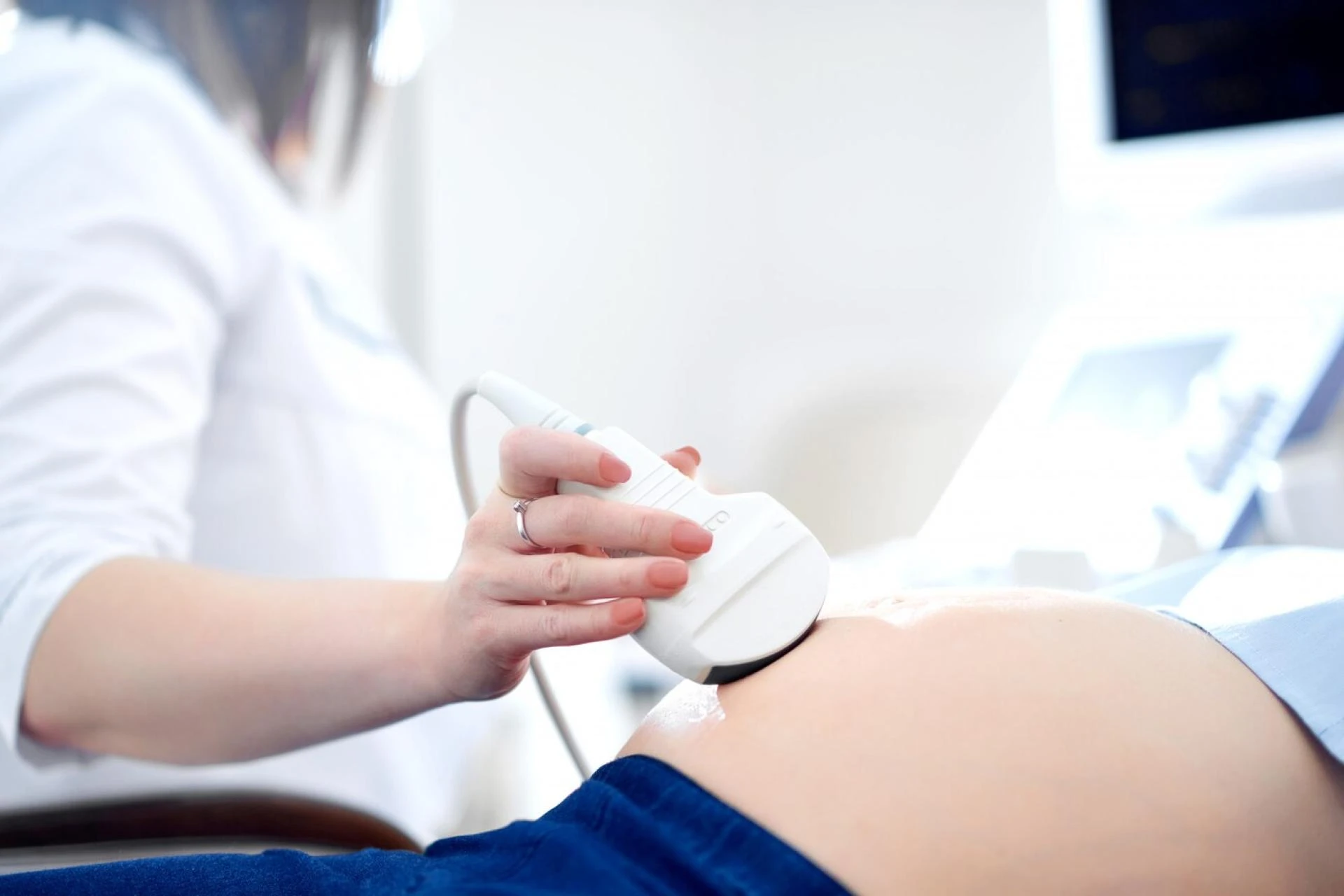
During prenatal care, access to essential services such ultrasounds for expectant mothers becomes quite important. Ultrasounds reassure expecting women, track the baby's development, and find any possible problems early on. Women feel safer and better informed during their pregnancies when these services are easily available and supported in a society.
For expecting mothers, local women's health centers are generally a consistent supply. For example, a women's health facility in Norman, Oklahoma, might provide tools, knowledge, and information to help women negotiate pregnancy even if they might feel doubtful or unsupported. By providing educational seminars, support groups, and prenatal appointment transportation help, community involvement in mother health can also be quite beneficial.
Early Detection and Preventive Care as a Foundation
Preventive treatment is among the best strategies available to guarantee long-term health of women. Early stage detection of diseases including cervical cancer, ovarian problems, and other gynecological issues depends on routine health screenings, pap smears, breast exams, and pelvic inspections.
Early starts and lifetime practices of preventive care should be followed. More women are likely to seek medical help before problems become critical when a society supports regular check-ups and offers easily available healthcare choices. Making this a reality is much aided by local clinics and health facilities with an eye toward outreach and education.
Communities can assist lower health inequalities and raise general life expectancy for women by creating an environment where check-ups and screenings are accepted and supported. Two key elements here are accessibility and education; women who know where to get preventative care and understand its value will be more likely to take charge of their health.
Mental and Emotional Health: An Often Overlooked Aspect
A basic component of women's health, mental and emotional well-being sometimes gets little attention at the required level. Among women, stress, anxiety, and depression are caused in part by hormonal changes, family obligations, work demands, and social expectations.
Reducing stigmas about mental health depends much on community support. Mental health outcomes can be much improved by initiatives including wellness programs, peer-support groups, and counseling services. Building a strong health network depends on women having safe places where they may express their stories, feel heard, and get competent advice.
Particularly benefiting from emotional and psychological support are women with unassisted pregnancies. Under such circumstances, proper information and judgment-free advice can enable women to feel less isolated and more empowered to make wise decisions concerning their future. Compassion-based support systems free from pressure have a long-lasting good effect on physical and mental health.
Addressing Health Education and Misinformation
Among the most effective instruments a community can provide is accurate health education. Regretfully, false information is somewhat common and can be dangerous, particularly on reproductive issues. Many women find it difficult to make wise decisions regarding care or grasp their own health without consistent information.
Providing truthful, culturally aware, and easily available information depends mostly on community health programs and centers. Promoting wellbeing mostly depends on making sure women have the knowledge they need whether it relates to nutrition, reproductive health, menstruation care, or pregnancy needs.
Often acting as a link between clinical services and community education are centers like a women's health center in Norman, Oklahoma. They provide materials for knowledge of personal health rights and choices in addition to medical treatment.
Two Common Questions About Women’s Health Support
1. Why is community involvement important in women’s healthcare?
Involving communities guarantees that women are not negotiating health issues alone. Working together, neighbors, businesses, and local health experts may establish supportive settings that advance early intervention, improved education, and access to required resources. Community-oriented health initiatives also foster trust, which increases women's inclination to get treatment before problems get serious.
2. What are the benefits of routine ultrasound for pregnant women?
Pregnant women can benefit from routine ultrasounds in several ways: they monitor fetal development, verify gestational age, find possible problems, and help to close the tie between mother and child. An ultrasound for pregnant women is a vital component of prenatal care, helping doctors to direct their efforts in offering the best support all during pregnancy.
Conclusion: Building Healthier Communities by Prioritizing Women
Women's health is a community concern as much as a personal one. Giving women's health first priority results in better communities, healthier children, and stronger families. Key components of this approach include easily available services including correct health education, emotional wellness programs, pregnancy support, and preventative testing.
A women's health clinic in Norman, Oklahoma, or any local resource empowering women with education, support, and care, becomes a pillar of community health. By means of group efforts, knowledge, and compassion, we can guarantee that women from all walks of life get the respect and treatment they so deserve.
Establishing mechanisms that assist women at all phases of life—from youth to childbirth and beyond—helps not only with personal health results but also with the whole society. Giving women's health top priority is not a choice; it is rather necessary for a better, more inclusive future.