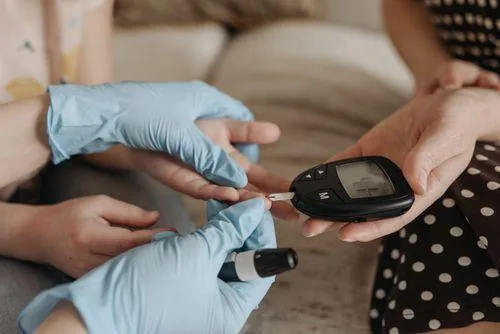
Chronic diseases continue to affect millions of people every year. Conditions such as diabetes, high blood pressure, heart disease, thyroid disorders, asthma, and depression are becoming increasingly common across all age groups. While medical treatments have improved significantly, prevention remains one of the most powerful ways to protect long-term health.
Many chronic illnesses develop gradually. By the time symptoms become noticeable, the condition may already be affecting multiple aspects of daily life. This is why prevention, early intervention, and healthy lifestyle choices deserve more attention than ever before.
Understanding the Growing Burden of Chronic Disease
Chronic diseases are medical conditions that typically last for months or years and often require ongoing management.
Common examples include:
· Type 2 diabetes
· Hypertension
· Asthma
· High cholesterol
· Thyroid disorders
· Depression and anxiety
· Heart disease
Many of these conditions can impact work performance, physical activity, emotional well-being, and overall quality of life.
Fortunately, many risk factors can be addressed before major health concerns develop.
Why Early Action Makes a Difference
One of the greatest advantages of preventive healthcare is identifying health concerns before they become more difficult to manage.
Regular health screenings can help identify:
· Elevated blood pressure
· High blood sugar levels
· Cholesterol abnormalities
· Thyroid dysfunction
· Weight-related concerns
When issues are detected early, patients often have more treatment options and greater opportunities to improve outcomes through lifestyle adjustments.
In many cases, physicians may recommend medications alongside lifestyle changes. Access to services such as online prescription refill can help patients maintain consistency with prescribed treatment plans.
Lifestyle Habits That Support Long-Term Health
Small daily choices can have a lasting impact on overall wellness.
Healthy habits include:
Balanced Nutrition
A nutritious diet may help support:
· Stable blood sugar levels
· Healthy cholesterol levels
· Weight management
· Cardiovascular health
Choosing fruits, vegetables, lean proteins, and whole grains can contribute to better long-term health outcomes.
Physical Activity
Regular movement may support:
· Heart health
· Muscle strength
· Weight control
· Improved mood
Even moderate activity several times per week can provide meaningful benefits.
Quality Sleep
Sleep is often overlooked, but remains an important part of preventive health.
Poor sleep may contribute to:
· Increased stress
· Weight gain
· Reduced concentration
· Higher blood pressure
Creating consistent sleep routines can support overall wellness.
Medication Adherence Is Part of Prevention
For individuals already managing chronic conditions, staying consistent with prescribed medications can help prevent complications.
Patients commonly use medications such as:
· Metformin prescription for diabetes management
· lisinopril prescription for blood pressure control
· Losartan prescription for hypertension
· levothyroxine prescription for thyroid disorders
· Escitalopram or Sertraline prescription for mental health treatment
Missing doses or delaying refills can make managing chronic conditions more difficult.
Many patients now utilize online prescription services to help maintain access to ongoing medications.
The Growing Role of Telehealth in Preventive Care
Technology has changed how patients interact with healthcare providers.
Today, individuals can often get a prescription online. These services can make healthcare more accessible for individuals with busy schedules or transportation challenges.
For patients managing ongoing conditions, services such as an online prescription refill service can help reduce interruptions in treatment.
Mental Health Deserves Preventive Attention Too
Prevention is not limited to physical health.
Mental health conditions can influence:
· Sleep quality
· Relationships
· Work performance
· Physical health
Seeking support early may help individuals address concerns before symptoms worsen.
Treatment plans may include therapy, lifestyle adjustments, and physician-prescribed medications. Consistent care often contributes to better long-term stability.
Preventive Healthcare Helps Reduce Future Costs
Many chronic diseases become more expensive as complications develop.
Preventive care may help reduce costs associated with:
· Emergency room visits
· Hospitalizations
· Advanced treatments
· Surgical procedures
· Long-term complications
Maintaining routine appointments and utilizing resources such as refilling prescriptions online can help patients stay on track with treatment plans.
Building a Long-Term Prevention Strategy
Every individual’s health needs are different, but many prevention strategies include:
· Routine wellness exams
· Regular bloodwork
· Medication adherence
· Healthy eating habits
· Physical activity
· Stress management
· Quality sleep
· Ongoing communication with healthcare providers
Consistency often matters more than perfection when working toward better health outcomes.
Prevention Is an Investment in Your Future Health
As chronic diseases continue to affect more people, prevention remains one of the most valuable approaches to protecting long-term well-being. Healthy habits, early screenings, medication adherence, and timely medical care can help reduce health risks and support a higher quality of life.
Whether you need assistance with online medication prescriptions or telehealth services to maintain access to prescribed medications is an important part of ongoing preventive care. My Med Refills provides convenient prescription management and telehealth solutions designed to help patients stay connected to their treatment plans. Contact them today to learn more about prescription refill options and ongoing medication support.
Author Bio
Jennifer M. Reynolds is a professional writer specializing in healthcare, wellness, patient education, and medical technology topics. She creates informative content that helps readers better understand preventive healthcare, chronic disease management, medication access, and emerging healthcare trends.
Disclaimer
The information provided on this platform is for general informational and educational purposes only and should not be considered medical advice. Any prescriptions, recommendations, or health-related content are intended for informational use and may not apply to individual medical conditions. This content does not replace consultation with a licensed healthcare professional. Patients/readers are strongly advised to consult their physician or qualified medical provider before starting, stopping, or changing any medication. The provider assumes no responsibility for misuse, misunderstanding, or outcomes resulting from reliance on this information.